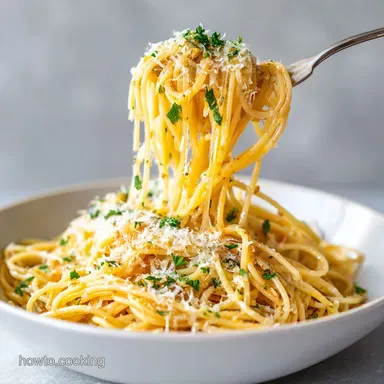
Garlic Butter Pasta: 15-Minute Comfort Meal
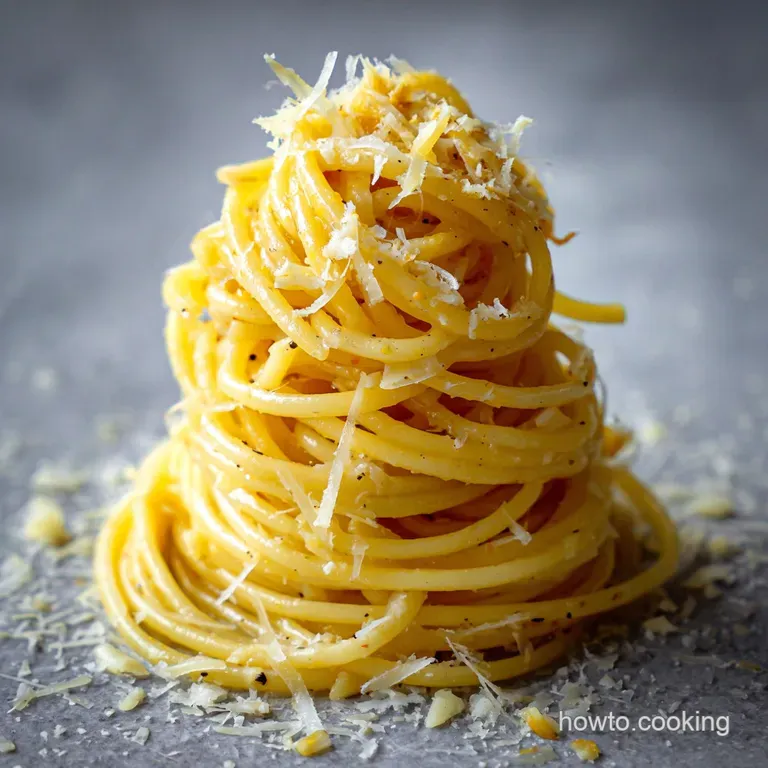
- Time: 5 min active + 10 min cook = Total 15 mins
- Flavor/Texture Hook: Velvety, garlic infused sauce with a bright lemon finish
- Perfect for: Last minute weeknight dinners or a budget-friendly side dish
Easy Garlic Butter Pasta
The first thing you notice is that specific sizzle. When those minced garlic cloves hit the foaming butter, the aroma fills the kitchen instantly, turning a boring Tuesday into something that smells like a bistro. I remember the first time I tried to rush this, cranking the heat to high to get it done faster.
I ended up with bitter, burnt garlic bits that ruined the whole pot. I had to toss the entire thing and start over, which is why I now swear by the low and slow method.
Once you get the timing right, this recipe becomes a lifesaver. It is the kind of meal where you can just throw some frozen peas or a handful of spinach into the pot at the last second and it still feels like a cohesive dish.
There is something so satisfying about watching the pasta water and melted butter swirl together into a glossy coating that clings to every single strand of noodle.
The goal here isn't just "butter on noodles." We are aiming for a cohesive sauce that doesn't pool at the bottom of the bowl. By using a few simple tricks with the pasta water, you can turn basic ingredients into a rich, velvety experience.
This Garlic Butter Pasta is all about the balance between the heavy fat of the butter and the sharp, bright hit of fresh lemon juice.
Secret To The Silky Sauce
The real magic happens when we stop thinking of the pasta water as waste and start seeing it as a tool. Here is what is actually happening in the pan:
- Starch Binding: The cloudy water from the pot is full of starch, which acts like a bridge between the fat in the butter and the water based liquids.
- Emulsion Control: Vigorously tossing the noodles helps the fat and water combine into a single, smooth sauce rather than separating into an oily mess.
- Cheese Melting: Adding Parmesan at the end allows the cheese to melt into the emulsion, adding thickness and a salty punch.
- Acid Balance: The lemon juice cuts through the richness of the butter, preventing the dish from feeling too heavy on the palate.
| Method | Time | Texture | Best For |
|---|---|---|---|
| Fast (This way) | 15 mins | Velvety/Glossy | Weeknight rush |
| Classic (Slow) | 40 mins | Heavy/Creamy | Slow Sunday dinner |
| Budget (Olive Oil) | 12 mins | Light/Slick | Vegan friendly swap |
Component Analysis
Every ingredient here has a job. If you skip one or use the wrong version, the texture of your Garlic Butter Pasta will shift.
| Ingredient | Science Role | Pro Secret |
|---|---|---|
| Pasta Water | Binding Agent | Always reserve more than you think you need |
| Unsalted Butter | Fat Base | Use unsalted to control the salt level precisely |
| Fresh Garlic | Flavor Core | Mince it finely for maximum surface area |
| Parmesan | Thickener | Grate it yourself to avoid anti caking clumps |
Pantry Essentials
You don't need fancy imports for this. Store brand spaghetti works perfectly as long as you don't overcook it.
- 1 lb (450g) Spaghetti, Linguine, or Fettuccine Why this? Long noodles provide more surface area for the sauce to cling to. (Substitute: Penne - Note: Sauce may pool more in the center)
- 1 tbsp (15g) salt Why this? Essential for seasoning the pasta from the inside out. (Substitute: Sea salt)
- 6 tbsp (85g) unsalted butter Why this? Provides the rich, creamy base. (Substitute: Margarine - Note: Less depth of flavor)
- 5 cloves (20g) fresh garlic, minced Why this? Fresh garlic has a sharper, more authentic bite. (Substitute: Garlic powder - Note: Lacks the fragrant punch)
- 1/2 cup (50g) freshly grated Parmesan cheese Why this? Adds saltiness and helps thicken the glaze. (Substitute: Pecorino Romano - Note: Much saltier/tangier)
- 1/2 cup (120ml) reserved pasta water Why this? The secret to the velvety texture. (Substitute: None - water is essential)
- 1/4 tsp (1.5g) cracked black pepper Why this? Adds a woody heat to balance the fat. (Substitute: White pepper)
- 2 tbsp (8g) fresh parsley, finely chopped Why this? Adds a fresh, grassy note. (Substitute: Dried parsley - Note: Less vibrant color)
- 1 tsp fresh lemon juice Why this? Brightens the entire flavor profile. (Substitute: Apple cider vinegar - Note: More fermented taste)
Basic Kitchen Gear
You only need a few basics. I usually use a large pot for the pasta and a wide skillet for the sauce. A wide skillet is better because it gives you more room to toss the noodles vigorously without them flying over the edge. If you have a pair of tongs, use them.
They are far superior to a spoon for getting that glossy coating on every strand.
Simple step by step
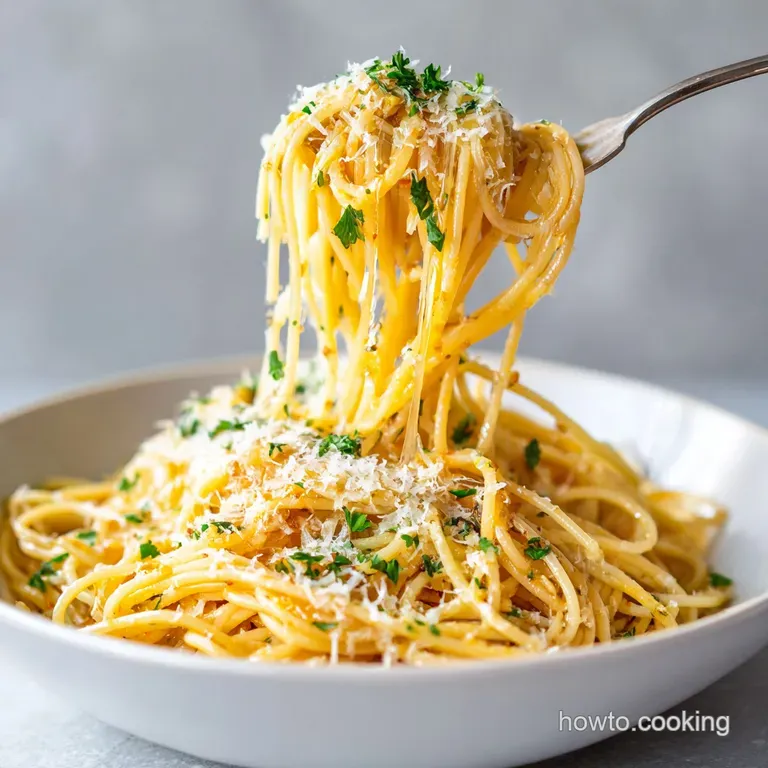
Follow these steps closely, especially the heat settings. We want the garlic to be translucent, not brown.
- Fill a large pot with water and add 1 tbsp salt. Bring it to a rolling boil.
- Add your pasta and cook for exactly 1 minute less than the package suggests. Note: The pasta will finish cooking in the sauce.
- Just before draining, scoop out at least 1 cup of the starchy water. Wait until the water is cloudy before reserving.
- Place your skillet over low heat and melt the 6 tbsp butter. Wait until the butter begins to foam but does not turn brown.
- Stir in the minced garlic. Cook slowly for 2-3 mins until the garlic is fragrant and translucent.
- Transfer the undercooked pasta directly from the pot into the skillet.
- Pour in 1/4 cup of the reserved pasta water and turn the heat up to medium. Toss vigorously for 1-2 mins until the water reduces and looks glossy.
- Sprinkle in the Parmesan and black pepper. Stir constantly until the cheese melts into a velvety glaze.
- If the sauce looks too dry or sticky, add more pasta water one tablespoon at a time.
- Remove from heat and stir in the fresh parsley and lemon juice.
Troubleshooting Your Pasta
Even the simplest recipes can go sideways if the heat is too high or the timing is off. Most issues with this Garlic Butter Pasta come down to the emulsion breaking.
| Issue | Solution |
|---|---|
| Why Your Sauce Is Oily | If you see a layer of yellow fat floating on top of your noodles, the emulsion has broken. This usually happens if the heat was too high or you didn't use enough pasta water. The starch is what keeps |
| Why Your Garlic Is Bitter | Burnt garlic is the enemy of this dish. If your garlic turned dark brown or black in the pan, it will taste acrid. Always keep the butter at a low simmer; the garlic should only gently bubble, not fry |
| Why Your Pasta Is Mushy | Overcooking the pasta in the pot and then continuing to cook it in the skillet results in a soft, porridge like texture. Always pull the noodles out while they still have a slight "snap" in the center |
Common Mistakes Checklist
- ✓ Did you reserve the pasta water BEFORE draining?
- ✓ Is the garlic translucent rather than brown?
- ✓ Did you undercook the pasta by 1 minute?
- ✓ Did you grate the cheese fresh instead of using a shaker can?
- ✓ Did you add the lemon juice at the very end?
Fun Flavor Twists
Once you have the base down, you can take this in a few directions. If you want something more substantial, you can easily turn this into a full meal.
For a Creamy Garlic Butter Pasta: Stir in 2 tbsp of heavy cream or a dollop of mascarpone during step 8. This makes the sauce even more velvety and rich, almost like an Alfredo but with a sharper garlic punch.
For Garlic Butter Pasta with Chicken: Pan sear some diced chicken breast in the skillet first. Remove the chicken, then make the garlic butter sauce in the same pan to pick up all those browned bits. Stir the chicken back in at the end. This pairs wonderfully if you've previously enjoyed my tender Italian meatball recipe and want something similar in vibe.
For Garlic Butter Pasta with Shrimp: Sauté shrimp in butter for 2 mins per side, then set them aside. Follow the sauce steps as usual and fold the shrimp back in with the parsley.
For a Zesty Kick: Add a pinch of red pepper flakes to the butter at the same time as the garlic. This creates a "Scampi" style flavor that is incredible with linguine. If you like one pot wonders, you might also enjoy a lasagna soup for a different kind of Italian comfort.
Scaling Your Meal
Adjusting this recipe is pretty straightforward, but you can't just multiply everything blindly.
Cutting the recipe in half (½): Use a smaller skillet to prevent the butter from spreading too thin and burning. Reduce the cooking time for the garlic by about 30 seconds, as a smaller amount of garlic cooks much faster.
Doubling the recipe (2x): Be careful with the garlic. I recommend using 8-9 cloves instead of a full 10 to keep the flavor from becoming overwhelming. Use a very large skillet or a wide pot to ensure you have enough room to toss the noodles.
If the pan is too crowded, the pasta won't emulsify properly and you'll end up with a greasy sauce.
For larger batches (4x): Work in two separate batches. Trying to emulsify 4 lbs of pasta in one pan is a nightmare and usually results in unevenly coated noodles.
Pasta Truths
There are a few things people tell you about pasta that just aren't true. Let's clear those up.
Myth: Adding oil to the water stops sticking. Adding oil to your boiling water just creates a slick film on the noodles. This actually prevents the Garlic Butter Pasta sauce from clinging to the pasta. Use a large pot and stir occasionally instead.
Myth: You must rinse the pasta after draining. Never rinse your pasta! Rinsing washes away the precious starch we need for the sauce to stick. The "sliminess" of the pasta is actually your best friend in this recipe.
Myth: Garlic powder is a 1:1 swap for fresh. While powder is fine in a pinch, it lacks the aromatic oils found in fresh cloves. Fresh garlic provides a layered flavor that powder simply cannot replicate.
Storage and Waste Tips
This dish is best served immediately, but leftovers are still great if you handle them right.
Storage: Place leftovers in an airtight container and keep them in the fridge for up to 3 days. The sauce will thicken and soak into the noodles as it cools.
Reheating: To bring it back to life, add a splash of water or a small knob of butter to the pan. Reheating this pasta in a makeshift double boiler on the stove top is the best way to restore it to its original form without overcooking the noodles.
Zero Waste: Don't toss your garlic skins! You can throw them into a freezer bag with other veggie scraps (onion ends, carrot peels) to make a homemade vegetable broth later. Also, use the leftover parsley stems by finely chopping them and adding them to a salad or a pesto.
Best Pairing Ideas
Since this Garlic Butter Pasta is quite rich, you want sides that provide some acidity or crunch to balance the plate.
A simple arugula salad with a lemon vinaigrette is the classic choice. The peppery greens cut right through the butter. If you want something heartier, roasted asparagus or sautéed broccolini with a squeeze of lime works perfectly.
For a full feast, serve this alongside a grilled protein like salmon or a simple lemon herb chicken breast. Trust me, the leftovers of the pasta actually make a great base for a cold pasta salad the next day if you add some halved cherry tomatoes and fresh mozzarella pearls.
Recipe FAQs
Can I use frozen garlic instead of fresh?
No, stick with fresh. Fresh garlic provides the sharp, aromatic fragrance necessary for the base of this sauce.
How to keep the garlic from turning bitter?
Sauté over low heat for 2–3 minutes. Ensure the garlic remains translucent and does not brown, as burnt garlic ruins the flavor profile.
Why is my sauce separating and looking oily?
The emulsion has broken. This typically occurs if the heat is too high or there wasn't enough starchy pasta water to bind the butter and cheese.
Is it true that pasta must be fully cooked before mixing with the butter?
No, this is a common misconception. Cook the pasta for 1 minute less than the package directions so it finishes cooking while absorbing the sauce.
How to rescue the sauce if it is too thick or dry?
Stir in reserved pasta water one tablespoon at a time. This restores the velvety glaze without diluting the overall flavor.
Can I store leftovers in the refrigerator?
Yes, keep them in an airtight container for up to 3 days. Reheat in a pan with a splash of water or butter to restore the original consistency.
What is the best side dish for this meal?
A warm, crusty loaf is the ideal pairing. If you enjoyed the garlic-butter profile here, try our cheesy garlic bread to complete the meal.
Garlic Butter Pasta in 15 Minutes