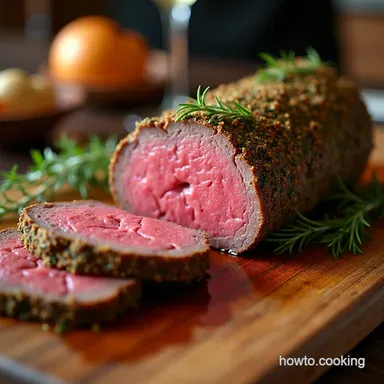
The Million Dollar Roast Perfectly Herbcrusted Beef Tenderloin
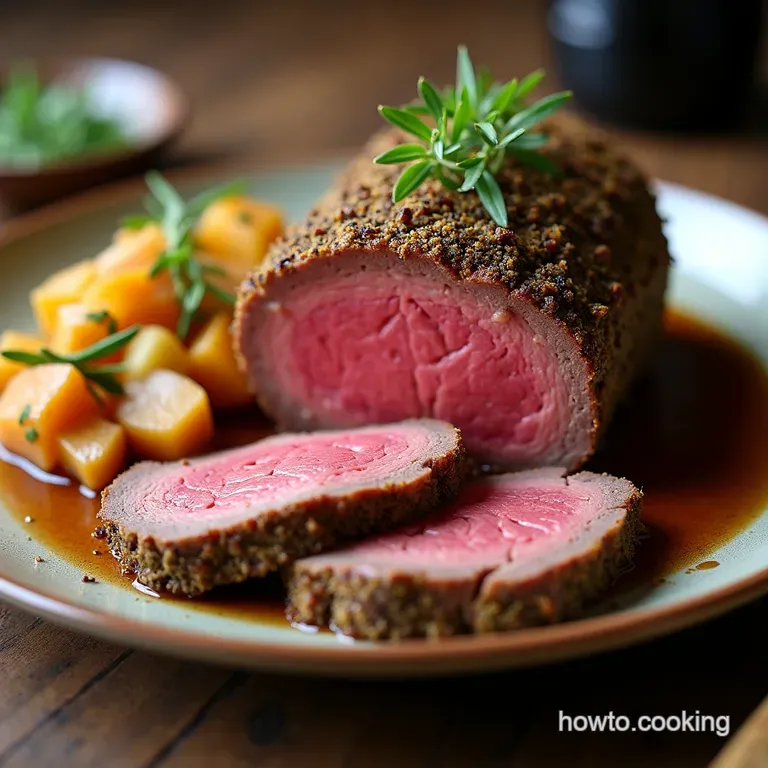
- Unlocking the Secret to a Show-Stopping Roast Beef Tenderloin Centrepiece
- Why This Herb-Crusted Method Guarantees Tender Results
- Assembling the Essential Components for Flavor Depth
- Sourcing and Preparing Your Star Ingredient
- The Step-by-Step Guide to Cooking Your Roast
- Achieving the Ultimate Sear Before Oven Time
- Pro Tips for Elevating Your Next Roast Beef Tenderloin Experience
- Handling Leftovers and Variations on a Theme
- Recipe FAQs
- 📝 Recipe Card
Unlocking the Secret to a Show-Stopping Roast Beef Tenderloin Centrepiece
The Roast Beef Tenderloin is the culinary equivalent of finding buried treasure. It’s widely considered the most tender cut of beef available, making it the undisputed star for any significant celebration, from intimate Sunday dinners to the grandest holiday feasts.
Many home cooks approach this impressive cut with trepidation, fearing they might ruin its delicate texture or fail to achieve that elusive, rosy interior. However, transforming a raw Beef Tenderloin Roast into a masterpiece requires less complexity than you might think.
It demands precision in preparation and, crucially, respectful timing during the cooking process. Our goal today is to demystify the technique, ensuring you achieve that stunning visual appeal and melt-in-your-mouth tenderness every single time you roast this magnificent piece of meat.
Why This Herb-Crusted Method Guarantees Tender Results
The key to unlocking the full potential of this prized cut lies in maximizing surface flavour while minimizing moisture loss during cooking. This Roast Beef Tenderloin Recipe employs a two-pronged approach: building a flavourful, adherent crust before cooking and utilizing a high-heat sear followed by controlled oven roasting.
The aromatic paste we create doesn't just flavour the exterior; it acts as a protective layer, sealing in the natural richness of the beef as it cooks through.
Setting the Stage: What Makes This Filet Mignon Roast Unique
When we talk about tenderloin, we are referring to the source of individual filet mignon steaks, the muscle does almost no work, resulting in unparalleled tenderness. This recipe embraces that delicacy by foregoing heavy marinades that can mask the beef’s inherent flavour.
Instead, we focus on robust, earthy elements like fresh rosemary and copious amounts of garlic. This specific preparation turns the whole roast into what is essentially a giant, show-stopping Filet Mignon Roast , intended to feed a gathering.
It’s a straightforward method designed for maximum impact, perfect for a memorable Christmas Beef Tenderloin .
Mastering the Rosy Pink Interior: Our Temperature Promise
The single greatest challenge in roasting tenderloin is achieving that perfect medium-rare centre without drying out the edges. This relies entirely on accurate temperature management.
We are aiming for a Roast Beef Tenderloin Temperature that ensures the meat reaches its full flavour potential without crossing into well-done territory. Since the tenderloin is naturally lean, overcooking by even a few degrees can be catastrophic.
Therefore, the use of a reliable instant-read thermometer is non-negotiable; it is your best friend in the kitchen for this preparation.
A Quick Overview of the Preparation Timeline
While the actual cooking phase is relatively quick, allowing the flavours to deepen is essential. Preparation involves a solid 30 minutes of active work, including trimming and creating the aromatic rub.
However, we strongly recommend allowing the seasoned meat to rest in the refrigerator for a minimum of two hours, and ideally overnight. This chilling time allows the salt and herbs to permeate the fibres deeply.
Factor in about 35 to 50 minutes of active Tenderloin Roast Cooking Time in the oven, followed by a critical 15-minute rest period post-roast, which is necessary for juice redistribution.
Assembling the Essential Components for Flavor Depth
A successful roast is built from the ground up, starting with high-quality ingredients that complement the subtle, buttery flavour of the beef itself. Since the tenderloin is so lean, the fat and seasoning must do the heavy lifting in terms of building a satisfying flavour profile.
Our signature approach relies on a powerful paste incorporating pungent garlic, fragrant woody herbs, and a slightly acidic element to brighten the profile. We will be combining 4 cloves of finely minced garlic with 1 tablespoon each of finely chopped fresh rosemary and thyme leaves, bound together with 2 tablespoons of Dijon mustard.
This paste adheres beautifully to the meat, forming the foundation of our irresistible crust.
Sourcing and Preparing Your Star Ingredient
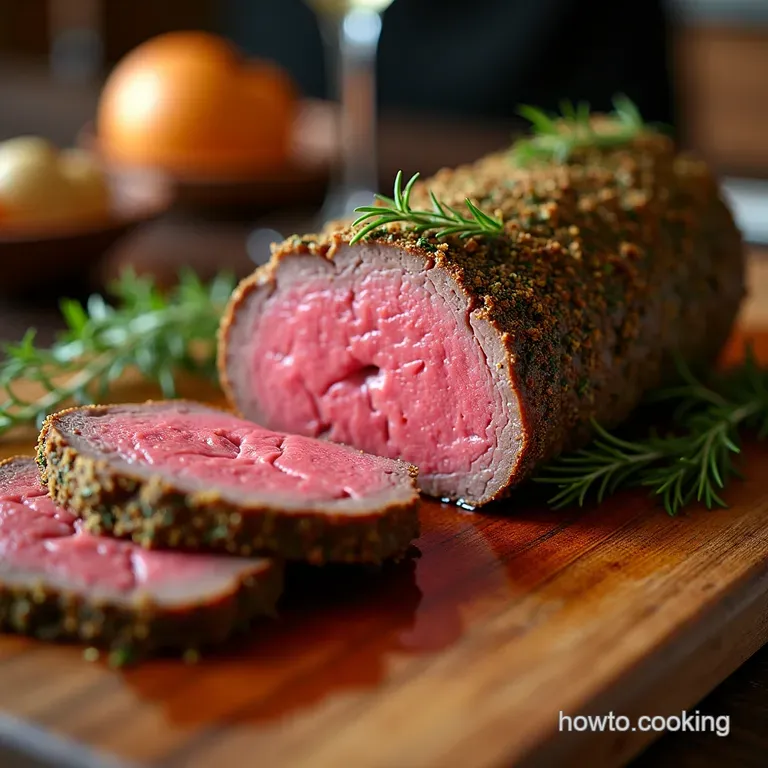
The quality of your starting material dictates the quality of the final product. Sourcing the right beef tenderloin and preparing it correctly sets the entire stage for success.
Sourcing and Preparing Your Star Ingredient
For a roast designed to serve 6 to 8 people, look for a center-cut section weighing between 3 and 3.5 pounds. Ensure the butcher has removed the heavy silver skin, as this tough membrane will not render down during cooking and can cause the roast to curl unevenly.
Before any seasoning begins, the meat must be patted absolutely bone-dry with paper towels. Any surface moisture inhibits the crucial browning process we aim for during searing.
The Aromatic Rub: Garlands of Garlic and Herbs
The Garlic Rosemary Roast Beef Tenderloin rub is the heart of this recipe’s flavour. Beyond the garlic, rosemary, and thyme, you’ll need 2 tablespoons of Kosher salt and 1 tablespoon of freshly ground black pepper incorporated into the Dijon mustard binder.
This mixture should be worked thoroughly across the entire exterior surface of the beef. Once coated, secure the roast tightly with butcher's twine if it hasn't been pre-tied. This step, known as trussing, is vital; it forces the tenderloin, which is naturally tapered, into a uniform cylinder shape, guaranteeing even cooking from end to end.
After coating, wrap it tightly and let it absorb those powerful aromatics in the refrigerator for several hours.
Necessary Kitchen Gadgets for Perfect Execution
While you don't need specialized equipment, a few tools make this process seamless. A heavy-bottomed, oven-safe skillet, cast iron is ideal, is necessary for the searing stage. Most importantly, you must have an accurate, instant-read meat thermometer.
Trying to gauge Roast Beef Tenderloin Temperature by sight or touch alone is a recipe for guesswork when dealing with such a premium cut.
Selecting the Right Cut of Beef Tenderloin for Roasting
When purchasing, opt for the center-cut section whenever possible. This part of the tenderloin is more uniform in thickness than the narrow ‘tail’ (or filet mignon end).
A consistent shape allows for consistent heating, drastically improving your chances of hitting that desired internal temperature across the entire roast.
Accompaniments That Complement the Tenderloin
Given the inherent richness of the beef, your side dishes should offer either complementary earthiness or bright acidity. We highly suggest preparing a classic Roast Beef Tenderloin Red Wine Sauce using the pan drippings (fond) left in the skillet after searing and roasting, it requires minimal effort but adds immense sophistication.
For starches, something creamy, like mashed potatoes or a potato gratin, balances the texture beautifully.
Related Recipes Worth Trying
- The Best StickySweet Balsamic Roasted Brussels Sprouts — Transform boring Brussels sprouts into crispy caramelised gems with this easy balsamic roasted Brussels sprouts recipe Perfect for Thanksgiving sides
- Best Chinese Pepper Steak Recipe with Tender Velveted Beef — Forget the takeout Learn the secret to velvety tender beef in this easy Pepper Steak Stir Fry Ready in under 40 minutes for a perfect weeknight meal
- Spiced Beef Mince Tomato Soup A Winter Warmer — Forget bland weeknight meals This Spiced Beef Mince and Tomato Soup recipe is hearty flavourpacked and ready in an hour Perfect for a cold evening hug in a bowl
The step-by-step Guide to Cooking Your Roast
Once your seasoned roast has rested in the fridge and has been allowed to sit out at room temperature for about an hour before cooking, never sear a stone-cold roast, it’s time for the intense heat phase.
We will begin aggressively on the stovetop to build character before moving the entire vessel into the Roast Beef Tenderloin Oven .
Achieving the Ultimate Sear Before Oven Time
The sear is arguably the most important flavour-building step. Preheat your oven to 400° F ( 200° C). On the stovetop, heat 2 tablespoons of olive oil in your oven-safe skillet until it shimmers and is nearly smoking.
Place the seasoned Beef Tenderloin Roast into the hot oil and sear hard for approximately two minutes on all sides. You want a deep mahogany crust, not just a light brown.
Trussing Techniques: Ensuring Uniform Cooking
If you’ve taken the time to truss your roast correctly, it should already be uniform. If not, the heat from the skillet will begin to shape it slightly. The twine serves its primary purpose by keeping the thinner ends from overcooking before the thicker centre is done.
Infusing the Meat: Applying the Herb Crust Mixture
As the final moments of searing conclude, reduce the heat slightly, add 2 tablespoons of unsalted butter to the pan, and allow it to melt and foam. Tilt the skillet and use a large spoon to continually baste that foamy, herbed butter over the top surface of the beef for about one minute.
This infuses the crust with rich, browned butter flavour just before it enters the oven.
Determining Doneness: The Critical Internal Temperature Check
Carefully transfer the entire skillet (or the roast onto a rack set inside a roasting pan) into the 400° F oven. Now, monitor relentlessly. For a perfect medium-rare, remove the roast when the internal temperature at the thickest point reads 130° F– 135° F ( 54° C– 57° C) .
Keep in mind that the temperature will continue to rise by 5 to 10 degrees once removed from the heat source. This carryover cooking is essential to calculate into your final removal time.
Resting Protocols: The Unskippable Final Act for Juiciness
This step cannot be rushed. As soon as the target temperature is reached, immediately transfer the Roast Beef Tenderloin to a clean cutting board. Tent it loosely with aluminum foil, tight wrapping will trap steam and ruin the gorgeous crust you worked hard to achieve.
Allow it to rest undisturbed for a minimum of 15 minutes. This crucial pause allows the muscle fibres to relax and reabsorb the internal juices, ensuring every slice is succulent.
Pro Tips for Elevating Your Next Roast Beef Tenderloin Experience
To truly master this cut, remember these small but powerful details. First, always allow the beef to come to room temperature for an hour before searing; cooking a cold roast guarantees a ring of grey, overdone meat around the edges.
Second, when checking the temperature, insert the probe horizontally into the thickest part, ensuring it doesn't touch any bone (though tenderloin is usually boneless) or the bottom of the pan. Finally, always slice thinly against the grain .
Because the tenderloin muscle runs lengthwise, slicing perpendicular to that line maximizes the perceived tenderness of every bite.
Handling Leftovers and Variations on a Theme
Even the most generous roast rarely disappears entirely, and enjoying the leftovers is part of the fun. Leftover roast beef is phenomenal thinly sliced for gourmet sandwiches, or gently warmed in broth for an elevated French dip experience.
Troubleshooting Common Roast Failures
If your roast is dry, it means you overcooked it or skipped the resting period. If the exterior is burnt but the interior is raw, your oven was too hot, or you did not allow the meat to sit out before searing.
If the crust didn't stick, it was likely because the surface of the beef wasn't perfectly patted dry before seasoning, preventing the mustard binder from adhering properly.
Optimal Storage and Reheating for Maximum Flavor
Store leftover slices tightly wrapped in the refrigerator for up to four days. For reheating, the best method is gentle, place slices in a baking dish, cover them with a thin layer of beef stock or water, cover the dish tightly with foil, and warm gently in a 300° F ( 150° C) oven until just heated through.
Avoid the microwave, which can quickly toughen the fine fibres.
Alternative Crusts: Spice Rubs Beyond the Herb Standard
For a bolder flavour profile next time, try substituting the herbs with a spice blend. A great alternative involves finely ground black peppercorns, smoked paprika, brown sugar, and a touch of chili powder for a crust that plays beautifully with a horseradish cream sauce rather than a traditional pan sauce.
Pairing Suggestions: Wine and Side Dish Synergy
The earthy, deep notes of a good Garlic Rosemary Roast Beef Tenderloin cry out for complexity in a beverage. A full-bodied Cabernet Sauvignon, or perhaps a structured, mature Merlot, complements the rich beef beautifully.
Alongside the main course, consider adding textural contrast with a sharp, vinegary slaw or some roasted root vegetables, which offer an earthy sweetness that stands up well to the savoury roast.
Recipe FAQs
How do I stop my Roast Beef Tenderloin from drying out? It’s always tough!
The key to succulence is twofold: precise cooking temperature and resting! Firstly, you must use a meat thermometer and pull the roast when it hits about 130°F (54°C) for medium-rare, as the temperature will continue to rise.
Secondly, never skip the mandatory 15-minute rest; this allows the muscle fibres to relax and reabsorb the juices, keeping the meat moist. Be a little patient, and you'll reap the rewards!
What temperature should I cook the Roast Beef Tenderloin to? Should I aim for rare?
For this rich cut, medium-rare is generally considered the sweet spot, giving you that gorgeous rosy pink centre without being undercooked. Aim to pull the roast from the oven when your thermometer reads 130°F, 135°F (54°C, 57°C).
If you prefer it rarer, pull it closer to 125°F (52°C), but remember that residual heat will push it up a few more degrees while it rests!
Can I prepare the herb crust mixture for this Roast Beef Tenderloin in advance?
Absolutely, making the herb paste ahead of time is a grand idea for stress-free entertaining! You can prepare the mixture of garlic, herbs, and Dijon mustard up to 24 hours in advance.
In fact, rubbing it on and letting the roast marinate in the fridge overnight really helps the seasoning penetrate deep into that beautiful meat. Just remember to take it out about an hour before cooking to reach room temperature.
My tenderloin is thin on one end and thick on the other, how do I get an even cook?
This is a common issue with tenderloins! The solution is trussing the beef tightly with butcher’s twine every inch or so, as mentioned in the steps. This bundles the thinner parts up, making the overall shape more uniform.
Alternatively, you can loosely fold the thin tip underneath and secure it with twine before searing.
I don’t have a cast-iron pan; what’s the best alternative for searing the roast?
If you don't have a skillet that can handle the oven heat, you'll need two separate pieces of equipment. Use your heaviest frying pan (stainless steel is fine) on the hob for the aggressive sear, ensuring it gets properly hot.
Then, transfer the seared roast onto a rack set inside a roasting pan for its time in the oven. Just be careful when moving it!
Garlic Rosemary Roast Beef Tenderloin Recipe Perfect MediumRare