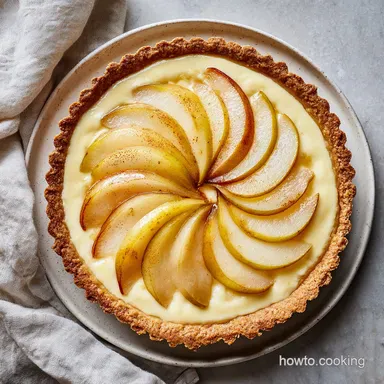
Pear Custard Pie: Guilt-Free and Old Fashioned
- Time:20 minutes active + 4 hours chilling = Total 5 hours 20 mins
- Flavor/Texture Hook: Silky custard with a shatter crisp whole grain crust
- Perfect for: A cozy family Sunday dessert or an impressive autumn dinner party
- The Secret to Pear Custard Pie
- The Texture Logic
- Comparison of Methods
- Component Analysis
- Gathering the Essentials
- Necessary Baking Tools
- The Step-by-Step Process
- Fixing Common Mistakes
- Troubleshooting Common Issues
- Adjusting the Yield
- Busted Baking Myths
- Keeping It Fresh
- Winning Flavor Pairings
- Recipe FAQs
- 📝 Recipe Card
The Secret to Pear Custard Pie
That first scent hits you the second you open the oven door, a warm, spiced aroma of cinnamon and softening pears that fills every corner of the kitchen. There is something about the way the honey caramelizes against the edges of the crust that just smells like home.
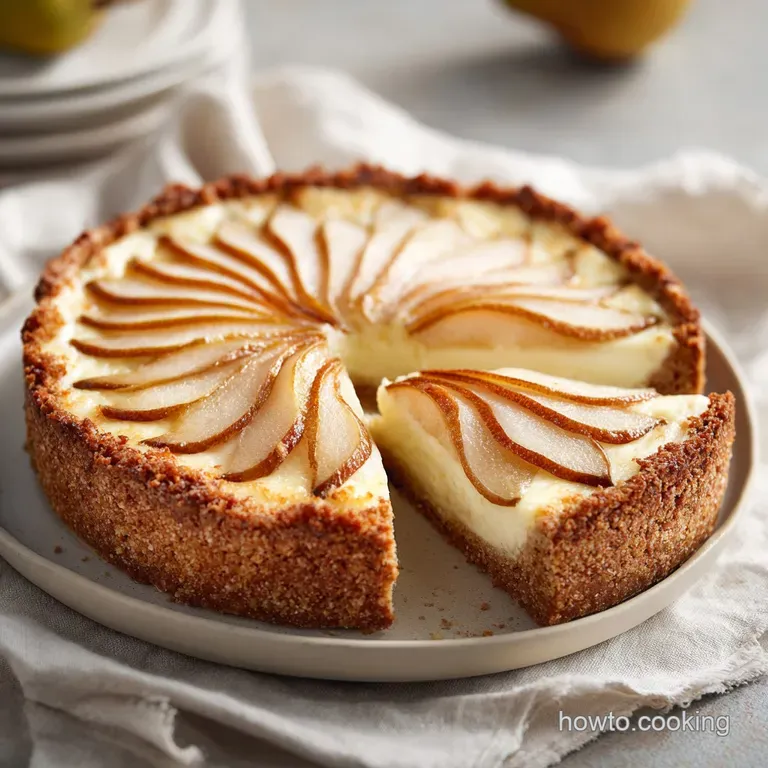
When you finally slice into it, you get that satisfying contrast between the velvety custard and the firm, juicy bite of the fruit.
I remember the first time I tried making a fruit custard tart. I just threw the pears in and poured the liquid over them, thinking the oven would handle the rest. The result was a total disaster, a soggy, weeping mess where the pears had drifted to the top like little islands in a sea of undercooked egg.
It was an absolute flop, but it taught me that this kind of pie needs a structure to keep everything in place.
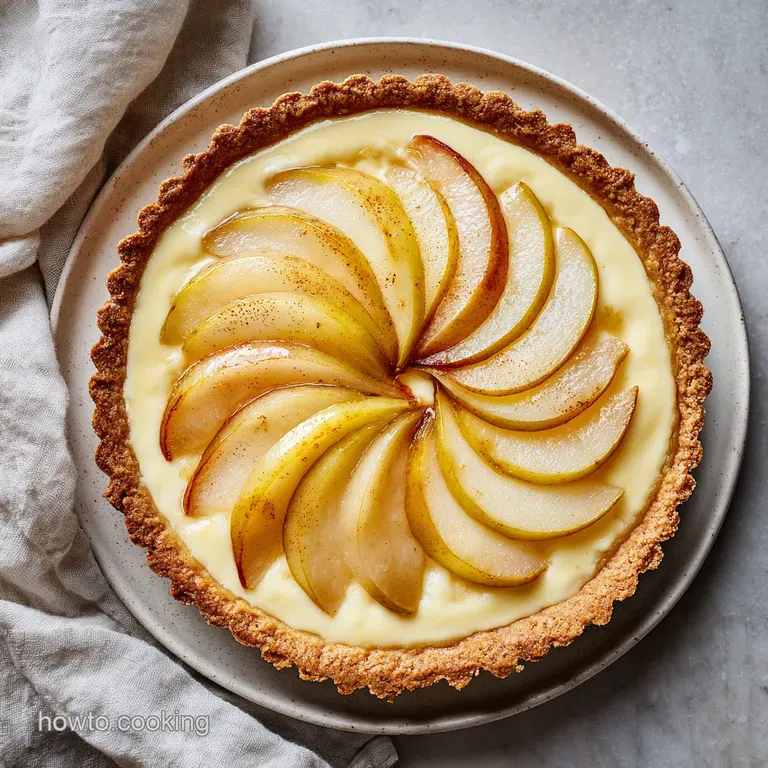
Now, this Pear Custard Pie is all about the architecture. By blind baking the crust and layering the pears in a tight, concentric pattern, you create a stable base. The custard then fills the gaps, locking the fruit in a creamy embrace.
It's a reliable, wholesome treat that doesn't rely on heavy creams or refined sugars to taste rich.
The Texture Logic
Right then, let's talk about why this actually works. Most people struggle with custards because they either end up like scrambled eggs or stay as runny as soup. This recipe avoids that by using a few specific tricks.
- The Yogurt Buffer: Adding Greek yogurt provides a bit of acidity and stability, which prevents the eggs from curdling too quickly. It gives the filling a slight tang that cuts through the sweetness of the honey.
- Honey's Hold: Honey is a humectant, meaning it holds onto moisture. In this Pear Custard Pie, it prevents the pears from releasing too much water into the custard, which is what usually causes that dreaded "weeping" layer.
- The Moisture Shield: Blind baking the crust for a few minutes creates a thin, toasted seal. This prevents the custard from soaking into the flour and making the bottom gummy.
- Slow Set: Baking at a lower temperature ensures the proteins in the eggs set gently. This prevents the custard from puffing up and then collapsing, which often leads to cracks on the surface.
According to the guidelines at Serious Eats, controlling the temperature of a custard is the only way to ensure a smooth, non porous texture.
Comparison of Methods
Before we get into the gear, it's worth noting that you can make custard in different ways. While we're baking this in the oven, some people prefer a stovetop approach.
| Method | Time | Texture | Best For |
|---|---|---|---|
| Oven Baked | 60 minutes | Set and sliceable | Whole pies and tarts |
| Stovetop | 15 minutes | Pourable/Creamy | Parfaits or filling shells |
| Water Bath | 90 minutes | Ultra silky | High end cheesecakes |
The oven method is the way to go for this Pear Custard Pie because it allows the pears to poach in the custard while the crust browns.
Component Analysis
I like to think of the ingredients as a team. Each one has a specific job to do to make sure this dessert doesn't fail.
| Ingredient | Science Role | Pro Secret |
|---|---|---|
| Whole Wheat Pastry Flour | Structural Base | Use a chilled bowl to keep the butter from melting |
| Greek Yogurt | Stabilizer | Full fat version gives a more velvety mouthfeel |
| Bosc Pears | Flavor/Body | Bosc pears hold their shape better than Bartlett |
| Honey | Sweetener/Binder | Warm it slightly if it's too thick to whisk |
Gathering the Essentials
For the crust, we're using whole wheat pastry flour. Don't confuse this with regular whole wheat flour, which can be too heavy and make the crust taste like a health cracker. Pastry flour is milled finer and has a softer crumb.
For the Crust:
- 1.5 cups (190g) whole wheat pastry flourWhy this? Lighter than regular whole wheat but still nutritious
- 0.5 cup (115g) cold unsalted butter, cubedWhy this? Creates those flaky layers when chilled
- 0.25 cup (30g) ice cold waterWhy this? Binds the dough without overworking the gluten
- 0.25 tsp (1.5g) fine sea saltWhy this? Balances the sweetness of the pears
For the Fruit Layer:
- 3 large (450g) Bosc or Anjou pears, peeled, cored, and thinly slicedWhy this? These varieties stay firm during baking
- 1 tbsp (15ml) lemon juiceWhy this? Prevents the pears from browning
- 1 tsp (2g) ground cinnamonWhy this? Pairs classically with pear and honey
For the Custard Filling:
- 3 large (150g) eggs, room temperatureWhy this? Emulsifies better with the fats
- 0.5 cup (100g) honeyWhy this? Adds a floral depth that sugar lacks
- 1 cup (240ml) low-fat milkWhy this? Provides the liquid base for the set
- 0.5 cup (120g) plain Greek yogurtWhy this? Adds creaminess and prevents curdling
- 1 tsp (5ml) vanilla extractWhy this? Rounds out the cinnamon and honey notes
- 0.25 tsp (1g) ground nutmegWhy this? Adds a subtle, warm aromatic finish
If you're looking for other ways to use these pears, you might enjoy a Pear Frangipane tart, which uses an almond cream instead of a custard.
| Original Ingredient | Substitute | Why It Works |
|---|---|---|
| Whole Wheat Pastry Flour | All Purpose Flour | Similar protein content. Note: Loses the nutty whole grain flavor |
| Honey | Maple Syrup | Similar liquid sweetness. Note: Changes flavor profile to more "autumnal" |
| Greek Yogurt | Sour Cream | Similar fat and acidity. Note: Slightly heavier texture |
| low-fat Milk | Almond Milk | Liquid base. Note: Less protein, might result in a softer set |
Since we're focusing on a budget friendly approach, don't feel the need to buy the most expensive organic pears. Bosc pears from any supermarket usually do the trick as long as they are slightly firm to the touch.
Necessary Baking Tools
You don't need a professional kitchen for this, but a few basics make it easier. I usually use a food processor for the crust because it's faster and keeps the butter colder. If you don't have one, a pastry cutter or two forks will work, just be quick so the butter doesn't melt from the heat of your hands.
You'll also need a 9 inch pie dish. I prefer ceramic or glass because they distribute heat evenly, which is crucial for preventing the edges of the custard from overcooking before the center is set. A whisk and a few mixing bowls are the only other essentials.
The step-by-step Process
Let's crack on with the actual baking. Trust me on this, the chilling time is not optional. If you cut into a warm Pear Custard Pie, the filling will run, and you'll lose that beautiful sliceable texture.
Preparing the Base
- Combine whole wheat pastry flour, salt, and cold cubed butter in a food processor. Pulse until the mixture is crumbly, then add ice water until the dough just clings together. Note: Don't over process or the crust will be tough
- Roll out the dough, fit it into a 9 inch pie dish, and blind bake at 375°F (190°C) for 10 minutes to create a moisture barrier. until the crust looks matte and smells toasted
Arranging the Pears
- Toss the sliced pears in lemon juice and ground cinnamon. Note: This keeps the fruit bright and flavorful
- Layer the pear slices in a tight, concentric circular pattern at the bottom of the pre baked crust. until the bottom is completely covered
Baking to Perfection
- Whisk together eggs, honey, low-fat milk, Greek yogurt, vanilla extract, and nutmeg until the custard is completely smooth. Note: Make sure there are no honey clumps
- Pour the custard slowly over the arranged pears. Note: Pouring slowly prevents the pears from shifting
- Bake at 325°F (160°C) for 45–50 minutes until the edges are set and golden brown, while the center still has a slight gelatin like jiggle
- Allow the pie to cool completely, then chill in the refrigerator for 4 hours before slicing.
Chef's Tip: To get those perfectly clean slices, dip your knife in hot water and wipe it clean between every single cut. This prevents the custard from sticking to the blade.
Fixing Common Mistakes
Even the best of us hit a snag now and then. The most common issue with a Pear Custard Pie is usually related to moisture or temperature.
Troubleshooting Common Issues
| Issue | Solution |
|---|---|
| Why Your Custard Cracked | If you see cracks on the surface, it's almost always a sign of overbaking. The eggs have tightened too much, squeezing out the moisture and causing the surface to split. It still tastes great, but it' |
| Why Your Crust is Soggy | A soggy bottom happens when the fruit juice and custard seep into the raw dough. If you skipped the blind bake or didn't bake it long enough, the crust won't have that protective "skin" needed to repe |
| Why the Pears Floated | If your pears have drifted to the top of the custard, it's likely because the custard was too thin or the pears weren't packed tightly enough. Ensure the slices are overlapping in the dish so they sup |
Quick Checklist for Success:
- ✓ Butter is ice cold when it hits the flour.
- ✓ Pears are sliced thinly and uniformly.
- ✓ Custard is whisked until no honey streaks remain.
- ✓ The pie has chilled for the full 4 hours.
- ✓ The center jiggles slightly when you pull it from the oven.
Adjusting the Yield
If you're not feeding a crowd of ten, you can easily scale this Pear Custard Pie down.
Making a Half Batch: Use a 6 inch pie dish. For the eggs, crack one into a bowl, beat it, and use half of it by weight or volume. Reduce the bake time by about 20%, but still rely on that center jiggle to know it's done.
Making a Double Batch: I don't recommend baking one giant pie, as the center will never set before the edges burn. Instead, make two separate 9 inch pies. Keep the salt and cinnamon ratios the same, but you can reduce the total liquid (milk) by about 10% if you find the filling is too loose.
If you're in the mood for something else fruit based, my Blueberry Pie recipe is a great alternative, though it has a very different, more jammy texture compared to this custard.
Busted Baking Myths
There are a lot of "rules" in baking that are more like suggestions. Let's clear some up.
Myth: You must use canned pears for consistency. Actually, fresh Bosc or Anjou pears are far superior. Canned pears are often too soft and overly sweet, which makes the Pear Custard Pie feel mushy. Fresh pears provide a necessary structural bite.
Myth: Whole wheat flour always makes desserts taste "healthy". Not when you use pastry flour. The milling process is different, giving you the nutrition of the whole grain without the heavy, bitter taste of traditional whole wheat. It actually adds a nutty depth that pairs well with honey.
Myth: Room temperature eggs are just a suggestion. In custards, they're vital. Cold eggs don't emulsify as well with the honey and yogurt, which can lead to a grainy texture. Taking 30 minutes to let them warm up makes a visible difference in the final silkiness.
Keeping It Fresh
This Pear Custard Pie doesn't keep forever because of the high moisture content in the pears and the dairy in the custard.
Storage Guidelines: Store the pie in the refrigerator, covered loosely with plastic wrap or in an airtight container. It will stay fresh for 3 4 days. Do not leave it on the counter, as the custard is a breeding ground for bacteria once cooled.
Freezing Tips: I generally don't recommend freezing this specific recipe. The Greek yogurt and honey can change the texture of the custard upon thawing, often leading to "syneresis" (where the custard leaks water).
If you must freeze it, do so in individual slices wrapped tightly in foil for up to 1 month. Thaw slowly in the fridge.
Zero Waste Hacks: Don't toss the pear peels and cores! Toss them into a freezer bag with a cinnamon stick. Once you have enough, simmer them with water and a bit of sugar to make a quick, homemade pear syrup for pancakes or oatmeal.
Winning Flavor Pairings
Since the Pear Custard Pie is creamy and moderately sweet, it pairs best with things that offer contrast either bitterness, acidity, or a different temperature.
For a simple afternoon treat, serve a slice with a strong, black coffee or a bold Earl Grey tea. The tannins in the tea cut right through the richness of the honey and yogurt.
If you want to go full dessert mode, add a dollop of unsweetened whipped cream or a scoop of vanilla bean ice cream. The cold ice cream melting into the room temperature custard is a total win. For a bit of zest, a few fresh raspberries on top add a pop of color and a tart finish that wakes up the palate.
Recipe FAQs
Which types of pears work best for this custard pie?
Use Bosc or Anjou pears. These varieties maintain their structure and texture during the 45 50 minute baking process.
Why did the top of my custard crack?
You likely overbaked the pie. When the eggs tighten too much, they squeeze out moisture, which causes the surface to split.
How to avoid a soggy bottom crust?
Blind bake the crust at 375°F (190°C) for 10 minutes. This creates a protective moisture barrier that prevents the custard and pear juices from soaking into the dough.
How to know when the pear custard pie is fully baked?
Look for golden brown edges and a slight gelatin like jiggle in the center. The pie is done when the perimeter is set but the middle still moves slightly.
Is it true that I can slice and serve this pie immediately after baking?
No, this is a common misconception. You must let the pie cool completely and then chill it in the refrigerator for 4 hours to ensure the custard sets.
How to stop the pear slices from floating to the top?
Layer the slices in a tight, concentric circular pattern. Packing the fruit closely at the bottom of the crust prevents the custard from lifting the pears.
Can I use this same crust technique for other fruit pies?
Yes, the blind baking method is universal. If you enjoyed mastering this moisture barrier here, see how the same principle works in our flaky crust apple pie.
Homemade Pear Custard Pie