New Year S Day Lucky Foods: Smoky Southern Tradition
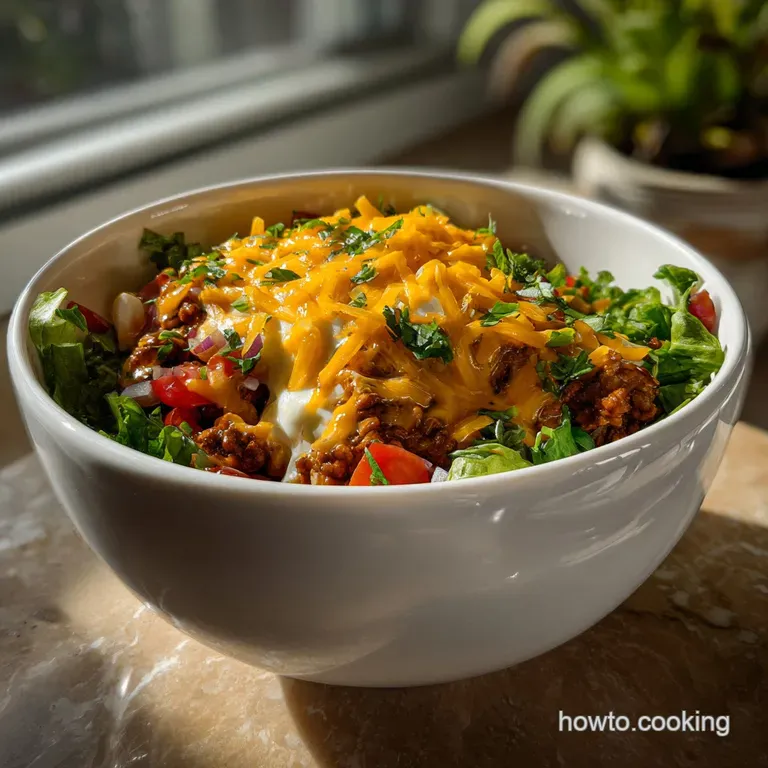
- Effort/Time: High-reward, low-active-effort 3 hour 20 mins simmer.
- Flavor Hook: Smoky mahogany pork meets the bright, acidic snap of cider-braised greens.
- Perfect for: Tradition-rich, crowd-pleasing, make-ahead New Year's Day celebrations.
- The Culinary Architecture of New Year s Day Lucky Foods
- The Engineering of Flavor: Why This Recipe Works
- Precision Timing and Yield Metrics for Day Lucky Foods
- The Chemistry of Luck: Selecting Your Essential Elements
- Essential Technical Tools for Year s Day Lucky Foods
- The Sequential Assembly Protocol for Lucky Foods
- Troubleshooting the Physics of Legumes and Greens
- Precision Flavor Architecture: Creative Variations
- ⚗️ The Scaling Lab: The Physics of Quantity
- Storage, Freezing, and Zero Waste Philosophy
- Debunking New Year Food Myths
- Recipe FAQs
- 📝 Recipe Card
The Culinary Architecture of New Year s Day Lucky Foods
There is nothing more demoralizing than waking up on January 1st to a pot of gray, flavorless mush that cost you $40 in premium ingredients and four hours of your holiday. I once served a New Year s Day Lucky Foods spread where the black eyed peas were so undercooked they rattled against the teeth like gravel, while the collards had been boiled into a bitter, sulfurous sludge.
It was a texture less disaster that ended with us ordering pizza a financial and emotional failure that haunted my kitchen for years.
I learned the hard way that you cannot rush the physics of a dried legume or the stubborn cellular structure of a winter green. I destroyed three batches of pork shoulder by crowding my Lodge Cast Iron Dutch Oven, which dropped the temperature so fast the meat steamed in its own juices instead of developing a crust.
This taught me that New Year s Day Lucky Foods require more than just "luck"; they require a fundamental understanding of heat distribution and moisture management.
The scientific revelation came when I stopped treating this as a soup and started treating it as a study in collagen hydrolysis and starch gelatinization. The secret to that signature velvety pot liquor isn't extra fat; it is the slow breakdown of connective tissue in the pork and the controlled release of starches from the peas.
When you balance this richness with a specific hit of apple cider vinegar at the final stage, you achieve a sensory payoff of shattering pork edges and a mahogany colored broth that tastes like home the ultimate My Hot Southern Mess.
The Engineering of Flavor: Why This Recipe Works
- Maillard Reaction Optimization: Searing the cubed pork shoulder in Hormel Bacon Drippings at 350°F creates complex melanoidins that provide the foundational umami for the entire pot.
- Collagen Transformation: The 3 hour simmer converts tough connective tissue into liquid gelatin, providing a luxurious, lip-smacking body to the liquid without using thickeners.
- pH-Controlled Tenderness: Adding Bragg Apple Cider Vinegar at the end rather than the beginning prevents the acid from toughening the legume skins, ensuring a buttery interior.
- Starch Gelatinization Control: Rinsing the dried peas removes excess dust and surface starch, preventing the "sludge" effect and maintaining individual bean integrity during New Year s Day Lucky Foods preparation.
Precision Timing and Yield Metrics for Day Lucky Foods
To achieve Masterclass results, you must adhere strictly to the thermal windows and volume ratios. This recipe for New Year s Day Lucky Foods My Hot Southern Mess is calibrated for an 8 quart vessel to ensure proper evaporation rates.
- Preparation Phase: 20 minutes (Mise en place is critical for temperature stability).
- Active Thermal Processing: 3 hours (Inclusive of searing and slow braising).
- Total Time Commitment: 3 hour 20 mins.
- Yield: 8 servings (approx. 1.5 cups per serving).
The Chemistry of Luck: Selecting Your Essential Elements
Selecting the right components for your New Year s Day Lucky Foods My Hot Southern Mess requires an eye for technical specifications. Cheap, old dried peas will never soften, no matter how long you boil them.
- 1 lb Dried black eyed peas: Why this? Dried legumes allow for controlled starch release compared to mushy canned versions. Picked over and rinsed.
- 1.5 lbs Pork shoulder: Why this? High collagen content ensures the broth achieves a silky, gelatinous mouthfeel. Trimmed and cubed.
- 2 tbsp Bacon drippings: Why this? High smoke point and rendered animal fat provide a depth of smoke flavor.
- 1 large Yellow onion: Diced fine for uniform melting into the base.
- 3 cloves Garlic: Minced to maximize surface area for aromatic release.
- 1 tsp Smoked paprika: Use a high-quality Spanish Pimentón for authentic wood fired notes.
- 1/2 tsp Cayenne pepper: Capsaicin levels provide a metabolic "kick" without masking the pea flavor.
- 6 cups Chicken stock: Low-sodium is preferred to control the final mineral balance.
- 1.5 lbs Collard greens: Why this? Thick cell walls withstand long braising without disintegrating into mush. Stemmed and roughly chopped.
- 2 tbsp Apple cider vinegar: Essential for breaking through the fat and brightening the flavor profile.
- 1 tbsp Brown sugar: The molasses content counteracts the natural bitterness of the greens.
- 1 tsp Diamond Crystal Kosher Salt: Larger flakes allow for precision seasoning.
- 1/2 tsp Black pepper: Freshly cracked for volatile oil preservation.
Ingredient Chemistry Breakdown
| Ingredient | Chemical/Physical Role (Science) | The Pro Secret (Why This Matters) |
|---|---|---|
| Pork Shoulder | Collagen-to-gelatin hydrolysis | Creates a velvety "pot liquor" that coats the tongue. |
| Dried Peas | Amylopectin starch gelatinization | Natural thickener; provides structural integrity to the dish. |
| Cider Vinegar | Acidic structural interruption | Breaks down tough cellulose in greens while brightening umami. |
| Bacon Fat | Lipid based flavor carrier | Fat molecules trap volatile aromatics, prolonging the flavor finish. |
Essential Technical Tools for Year s Day Lucky Foods
The success of your Day Lucky Foods My Hot Southern Mess depends on the thermal mass of your equipment.
- Lodge 7 Quart Enameled Cast Iron Dutch Oven: The heavy walls retain heat, preventing temperature fluctuations when adding the greens.
- ThermoWorks Thermapen: Essential for verifying the pork has reached the 195°F-205°F range for collagen breakdown.
- Large Mesh Strainer: For a thorough rinse of the peas to remove saponins (which can cause bitterness).
- Stainless Steel Kitchen Shears: The most efficient tool for "roughly chopping" 1.5 lbs of stubborn collard stems.
The Sequential Assembly Protocol for Lucky Foods
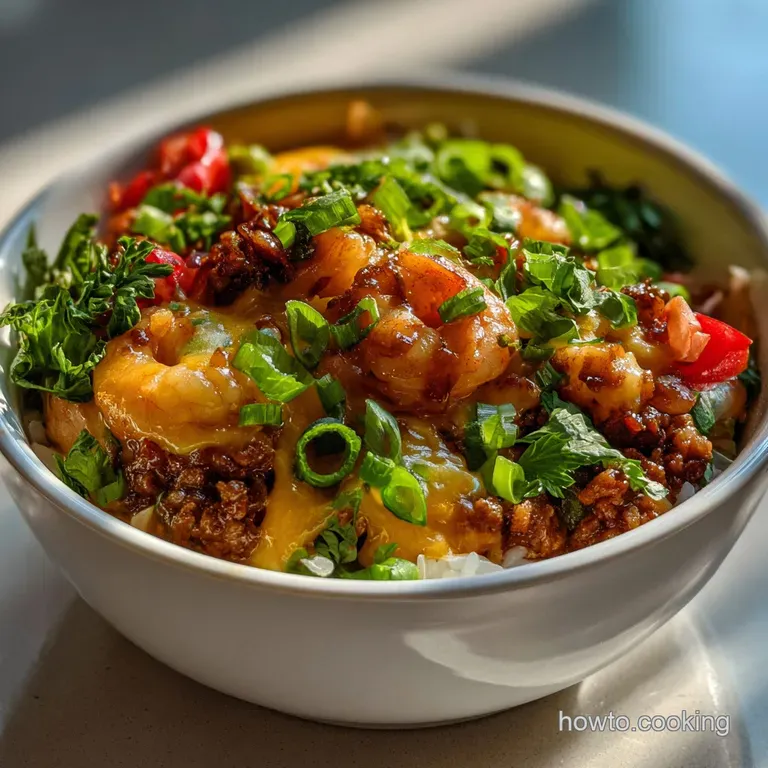
Follow these steps with surgical precision to ensure the structural integrity of your New Year s Day Lucky Foods.
- Sear the protein. Heat 2 tbsp bacon drippings in your Lodge Dutch Oven over medium high heat until the fat ripples and a faint wisp of smoke appears.
- Brown the pork. Add 1.5 lbs cubed pork shoulder in batches for 8 minutes until a deep mahogany crust forms and the meat releases easily from the pan surface.
- Aromatize the base. Sauté the diced yellow onion in the rendered fat for 5 minutes until translucent and the edges turn pale amber.
- Activate the spices. Stir in minced garlic, 1 tsp smoked paprika, and 1/2 tsp cayenne for 60 seconds until the kitchen is filled with a toasted, pungent aroma.
- Deglaze and hydrate. Pour in 6 cups chicken stock, scraping the bottom with a wooden spoon until all brown bits (fond) are dissolved into the liquid.
- Introduce the legumes. Add 1 lb rinsed black eyed peas and bring to a rolling boil for 2 minutes until white foam rises to the surface; skim this off.
- Initiate the slow braise. Reduce heat to low, cover, and simmer for 1 hour 30 mins until the peas are tender to the bite but still hold their distinct kidney shape.
- Incorporate the greens. Submerge 1.5 lbs chopped collard greens into the liquid, adding the 1 tbsp brown sugar, until the greens wilt and the volume reduces by half.
- The final breakdown. Continue simmering for another 1 hour until the pork is fork tender and the greens have shifted from vibrant green to a deep, savory forest hue.
- Balance the acidity. Stir in 2 tbsp apple cider vinegar, salt, and pepper until the richness of the pork is cut by a sharp, clean finish.
Troubleshooting the Physics of Legumes and Greens
Why Your Peas Stay Hard
When making Year s Day Lucky Foods My Hot Southern Mess, if your peas remain crunchy after two hours, the root cause is likely "hard water" or old age. Calcium and magnesium in tap water can reinforce the pectin in the pea skins, preventing hydration.
| Problem | Root Cause | The Fix | Pro Protocol |
|---|---|---|---|
| Hard Peas | High mineral content in water | Add a pinch of baking soda | Use filtered water to ensure osmotic pressure favors the bean. |
| Bitter Greens | Glucosinolate compounds | Increase the brown sugar | Massage the raw greens with a little salt before adding to the pot. |
| Greasy Broth | Emulsion failure | Whisk in a splash of stock | Skim the surface with a cold metal spoon to attract and lift excess lipids. |
My Black Eyed Peas Exploded
This occurs when the simmer is too aggressive. Rapid boiling causes the internal starch to expand faster than the skin can stretch. Maintain a "lazy bubble" (approx. 190°F) to preserve the aesthetic of your New Year s Day Lucky Foods. Much like the technique used in my Simple Cranberry Relish recipe, temperature control is the difference between a refined side and a messy pulp.
Precision Flavor Architecture: Creative Variations
While the traditional New Year s Day Lucky Foods rely on pork and peas, you can manipulate the flavor profile by adjusting the smoke and spice ratios.
- The Spicy Kick: Double the cayenne and add a finely diced jalapeño (with seeds) during the onion sauté. The capsaicin will bond with the bacon fat, creating a lingering heat.
- The Vegan Prosperity Bowl: Replace the pork with smoked sea salt and the chicken stock with a rich mushroom dashi. Use 2 tbsp avocado oil instead of bacon drippings to maintain the lipid-to-liquid ratio.
- The Bright Topping: Garnish with pickled red onions. The acetic acid provides a secondary layer of brightness that complements the cider vinegar in the pot.
For a complete holiday spread, these savory flavors pair exceptionally well with a dessert that offers a different texture, such as my Traditional Pecan Pie recipe.
⚗️ The Scaling Lab: The Physics of Quantity
When you decide to double this batch of New Year s Day Lucky Foods for a large party, the thermodynamics of the pot change significantly.
- The Evaporation Paradox: In a standard 8 quart pot, doubling the ingredients increases the depth but not the surface area. Reduce your added stock by 10% (use 10.8 cups instead of 12) to avoid a watery broth.
- Flavor Saturation: Scale spices (cayenne, paprika) to 1.5x only. Capsaicin and smoke compounds do not scale linearly; 2x the cayenne often results in an inedible level of heat.
- Thermal Mass Recovery: Adding 3 lbs of cold collard greens to a pot will drop the temperature by nearly 40°F. You must bring the liquid back to a boil before starting the timer for the final hour of simmering.
- Pan Crowding: Do NOT sear 3 lbs of pork at once. The moisture release will drop the pan temp below 300°F, preventing the Maillard reaction. Sear in three separate batches for maximum flavor.
Storage, Freezing, and Zero Waste Philosophy
Storage: These New Year s Day Lucky Foods actually improve with 24 hours of refrigeration. As the pot cools, the starches and gelatin form a semi solid matrix, allowing flavors to meld via molecular diffusion. Store in airtight containers for up to 5 days.
Freezing: This recipe freezes beautifully for up to 6 months. Pro Tip: Leave 1 inch of headspace in your container, as the liquid will expand during crystallization.
Reheating: Reheat over low heat on the stovetop. If the liquid has become too thick (due to starch retrogradation), whisk in 1/4 cup of water or stock to restore the velvety texture.
💡 ZERO WASTE PHILOSOPHY:Collard Stems?Transform: Thinly slice and pickle them in equal parts vinegar and sugar. Science: The tough cellulose softens in the brine, creating a crunchy, probiotic rich snack.
Pork Trimmings?Transform: Render the extra fat bits in a small pan to make "cracklings" for a garnish. Science: Rapid dehydration of the skin/fat creates a crispy, aerated texture that adds a vital crunch to the soft peas.
Debunking New Year Food Myths
Myth: You must soak black eyed peas overnight. Truth: Unlike kidney beans, black eyed peas have thin skins and low levels of oligosaccharides. Soaking actually leads to a "blown out" texture where the skin separates from the meat.
For New Year s Day Lucky Foods, a direct simmer provides a superior "al dente" result.
Myth: Adding salt at the beginning makes beans tough. Truth: Scientific testing shows that salting early actually seasons the interior of the bean. It is acid (vinegar/lemon) that toughens the skins by strengthening the pectin.
Save your cider vinegar for the end, but salt your stock from the start.
By following these technical protocols, your New Year s Day Lucky Foods will be the gold standard of the holiday. You are not just making a meal; you are mastering the variables of Southern culinary science. Enjoy your My Hot Southern Mess.

Recipe FAQs
What is the absolute minimum simmer time required for the pork shoulder?
1 hour 30 minutes minimum before greens addition. Collagen requires sustained heat above 180°F to convert into gelatin. Insufficient time results in chewy, unctuous pork connective tissue instead of velvety liquid.
Should I soak dried black eyed peas before cooking?
No. A quick rinse is sufficient for this dish. Soaking them promotes faster hydration, leading to skin separation and a mushy texture in the final pot liquor. For the best structure, use the initial boil and-skim technique found in our Classic New York Crumb Cake: A Sweet Morning Indulgence for rapid starch management.
Why did my collard greens turn out bitter despite adding sugar?
You added acid too early, counteracting the sugar's effect. The bitter glucosinolate compounds are stabilized by low pH; adding vinegar before the final stage inhibits the sugar's ability to balance the vegetal notes.
- Simmer greens for 1 hour 30 mins first
- Add sugar 30 minutes before the vinegar
- Increase brown sugar to 1.5 tbsp for a richer counter balance
Is using smoked paprika worth the extra cost over regular paprika?
Smoked paprika provides essential Maillard flavor analogs. Regular paprika offers color and mild sweetness, but smoked varieties (especially Spanish Pimentón) offer the deep, wood fired complexity that mimics long, slow smoking processes.
Can I use ham hock instead of pork shoulder for flavor?
Ham hocks provide intense salt and smoke but less base collagen. Shoulder delivers the necessary high collagen tissue required for the velvety 'pot liquor' that defines the dish. Hocks are saltier, requiring less added Diamond Crystal Kosher Salt.
Why is skimming the foam critical during the initial boil?
The foam is primarily surface impurities and loose saponins. If left, these coagulated proteins can create an off-flavor and contribute to a cloudy, less appealing final broth consistency. This process ensures a clean, rich base, similar to clarifying butter for a perfect How to Make Cheesecake: My Go-To New York Style Recipe.
Myth: You need a slow cooker to tenderize the pork correctly.
Myth: Slow cookers work by moist heat, steaming the pork rather than searing it first. Reality: Searing (Maillard reaction) is non-negotiable for deep flavor; slow cooking must follow a high heat crust development, not replace it.
Lucky New Year Foods Tradition
Ingredients:
Instructions:
Nutrition Facts:
| Calories | 418 kcal |
|---|---|
| Protein | 32.4g |
| Fat | 14.2g |
| Carbs | 40.5g |
| Fiber | 11.8g |
| Sugar | 4.2g |
| Sodium | 845mg |
