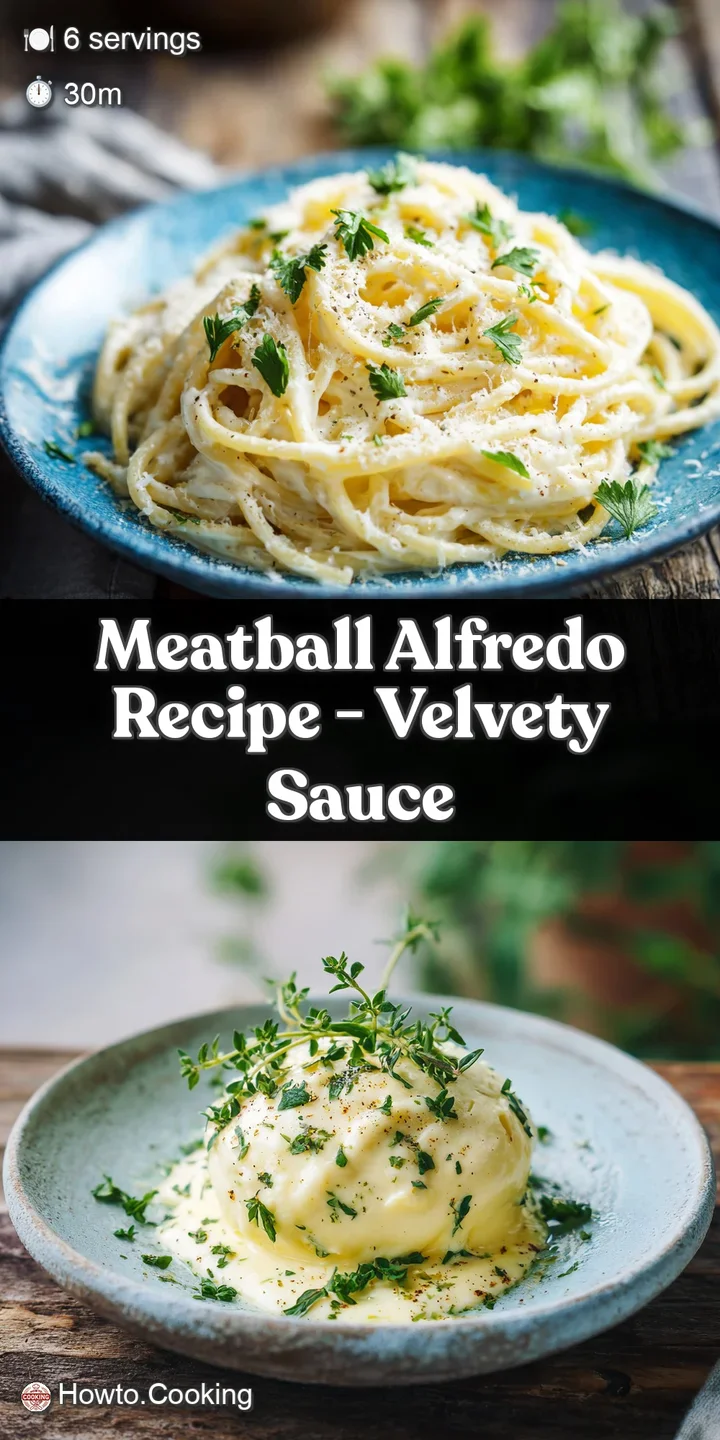
Meatball Alfredo: Velvety Sauce
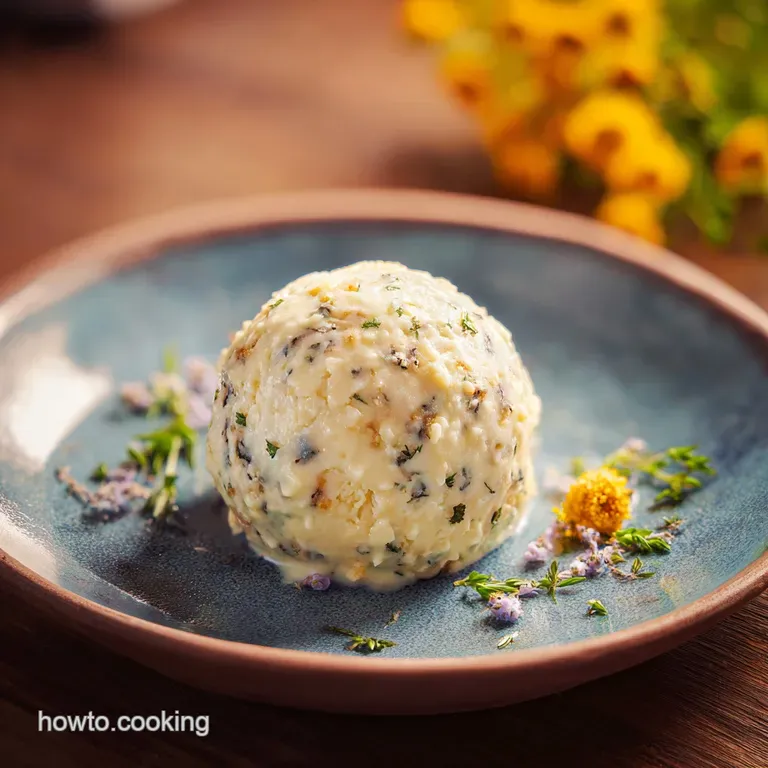
- Time: Active 15 minutes, Passive 15 minutes, Total 30 minutes
- Flavor/Texture Hook: Velvety cheese sauce with savory, seared meatballs
- Perfect for: Wholesome family dinners and busy weeknight comfort
- The Science of Better Flavor
- Essential Specs for Home Cooks
- Choosing Quality Fresh Ingredients
- The Minimal Tools Required
- Cooking Steps for Success
- Troubleshooting Your Sauce
- Easy Ways to Customize
- Myths About Alfredo
- Storage and Reheating Tips
- Ideal Pairings for Pasta
- Very High in Sodium
- Recipe FAQs
- 📝 Recipe Card
The sound of the garlic hitting the warm butter is what always gets my family into the kitchen. There is a specific, sharp sizzle that tells everyone dinner is going to be good tonight.
I remember the first time I tried to make a Meatball Alfredo; I made the mistake of using cold cream and pre shredded cheese from a green can. The sauce clumped, the meatballs were tough as rocks, and the whole thing felt like a heavy mess.
I realized then that while this dish is simple, it relies on a few key physical reactions to stay light and silky.
Since that night, I've spent years tweaking the ratios. I found that mixing beef and pork creates a much more balanced flavor, and adding a touch of nutmeg to the sauce isn't just for holidays, it's what makes the Parmesan actually pop.
Now, when I pull the pan off the heat and the sauce clings to the fettuccine in that perfect, glossy coat, it feels like a small kitchen victory. It’s nutritious, filling, and honest to goodness comfort food that doesn't require a dozen fancy gadgets.
We’ve all had those nights where we want something that feels like a big hug in a bowl but we only have half an hour to make it happen. This recipe is designed to be efficient without cutting corners on quality.
You’ll learn how to get that shatter crisp crust on the outside of the meat while keeping the inside tender enough to cut with a fork. It’s all about the preparation and understanding how the ingredients talk to each other in the pan.
The Science of Better Flavor
The Panade Principle: Mixing panko and milk creates a paste that coats meat proteins, preventing them from bonding too tightly and turning the meatballs into rubbery spheres.
Fat Emulsification: Whisking cold butter and heavy cream over low heat creates a stable fat in-water emulsion that stays velvety rather than separating into an oily puddle.
Starch Suspension: Using reserved pasta water introduces starch molecules that act as a bridge, helping the fatty sauce grip the smooth surface of the pasta.
| Preparation Route | Time Investment | Texture Result | Best Use Case |
|---|---|---|---|
| Fresh Handmade | 30 minutes | Tender, airy, juicy | high-quality family dinner |
| store-bought Frozen | 15 minutes | Denser, more uniform | Extreme time crunch |
| Pre Cooked Batch | 10 minutes | Firm but flavorful | Quick meal prep lunch |
Choosing between fresh and shortcut methods often comes down to your schedule. While frozen meatballs are convenient, they lack the "springy" texture we get from the panade method. If you use fresh meat, you're controlling the sodium and the fat content, which makes for a more wholesome meal. For those interested in the foundation of the meat components, our Homemade Italian Meatball Recipe offers a deep dive into traditional techniques.
Essential Specs for Home Cooks
| Ingredient | Science Role | Pro Secret |
|---|---|---|
| 80/20 Ground Beef | Provides fat for moisture | Do not use lean beef; it will dry out instantly |
| Parmesan Cheese | Acts as the primary emulsifier | Grate it yourself to avoid anti clumping starches |
| Nutmeg | Complements the milk fats | Use just a pinch to highlight the sweetness of the cream |
Understanding the role of each component helps you cook with more confidence. For instance, the heavy cream isn't just there for calories; the high fat content provides the stability needed to hold the Parmesan in suspension. If you were to use milk alone, the sauce would likely break or become grainy the moment the cheese is added. It's the same principle used in The Fettucine Alfredo recipe, where heat management is everything.
Choosing Quality Fresh Ingredients
- 1 lb ground beef (80/20)
- The fat is essential for a tender bite.
- 0.5 lb ground pork
- This adds a subtle sweetness and extra silkiness to the meatball. Why this? Pork has a lower melting point for fat than beef.
- 0.5 cup panko breadcrumbs
- These stay light and airy compared to dense Italian crumbs.
- 0.25 cup whole milk
- Used to hydrate the breadcrumbs.
- 1 large egg
- The binder that holds the structure together.
- 3 cloves garlic, minced
- Fresh is non negotiable here.
- 2 tbsp fresh parsley, finely chopped
- Adds a bright, grassy note to cut through the fat.
- 1 tsp kosher salt
- Enhances all the savory notes.
- 0.5 tsp black pepper
- Provides a subtle back heat.
- 2 cups heavy cream
- The base of our velvety sauce.
- 4 tbsp unsalted butter
- Adds shine and a rich mouthfeel.
- 0.125 tsp ground nutmeg
- The secret ingredient for any white sauce.
- 0.5 tsp garlic powder
- For an even distribution of flavor in the sauce itself.
- 1 lb fettuccine or spaghetti
- The vehicle for our sauce.
- 0.5 cup reserved pasta water
- The "liquid gold" that fixes any sauce issues.
| Original Ingredient | Substitute | Why It Works |
|---|---|---|
| Ground Pork | Ground Turkey | Leaner, but needs 1 tbsp olive oil added for moisture |
| Panko Breadcrumbs | Crushed Crackers | Similar airy structure. Note: Adjust salt if crackers are salted |
| Heavy Cream | Half and Half | Lighter, but sauce will be thinner and more prone to breaking |
The Minimal Tools Required
You don't need a kitchen full of gadgets to pull this off. I prefer a large cast iron or heavy bottomed stainless steel skillet. These pans hold heat better, which is vital when you're trying to get a good sear on the meatballs without overcooking the centers.
You'll also need a large pot for the pasta and a sturdy whisk.
Chef Tip: Freeze your block of Parmesan for 10 minutes before grating. It makes the cheese firmer and prevents it from clumping or melting against the heat of your hands, resulting in a much fluffier pile of cheese that melts evenly.
Cooking Steps for Success
1. Build the Meatball Foundation
In a large bowl, combine the panko and whole milk, letting it sit for 2 minutes until it forms a paste. Add the ground beef, ground pork, egg, minced garlic, 0.25 cup of the Parmesan, parsley, salt, and pepper. Mix with your hands just until combined.
Note: Over mixing will squeeze out the air and make the meatballs tough.
2. The over High heat Sear
Shape the mixture into 1.5 ounce balls (about the size of a golf ball). Heat a tablespoon of oil in your skillet over medium high heat. Cook 6-8 minutes, turning occasionally, until a deep brown crust forms on all sides.
They don't need to be cooked through yet; they will finish in the sauce.
3. Boil the Pasta
Bring a large pot of salted water to a boil and cook the fettuccine according to the package directions. Drain when it's al dente, but make sure you scoop out at least 0.5 cup of the starchy water before pouring it down the drain.
4. Create the Emulsion
Wipe the excess grease from the skillet, leaving the brown bits (the fond). Add the butter and let it melt, then pour in the heavy cream, garlic powder, and nutmeg. Simmer for 2 minutes until bubbles form around the edges.
5. The "Cheesy" Finish
Lower the heat to low and whisk in the remaining 1.5 cups of Parmesan cheese one handful at a time. Whisk constantly until the sauce is smooth and glossy. If it looks too thick, splash in a little of that pasta water.
6. The Final Toss
Add the meatballs back into the sauce to finish cooking. Once they reach an internal temp of 160°F, add the cooked pasta to the pan. Toss gently for 1 minute so the sauce can penetrate the pasta strands. Serve immediately with a sprinkle of fresh parsley.
Troubleshooting Your Sauce
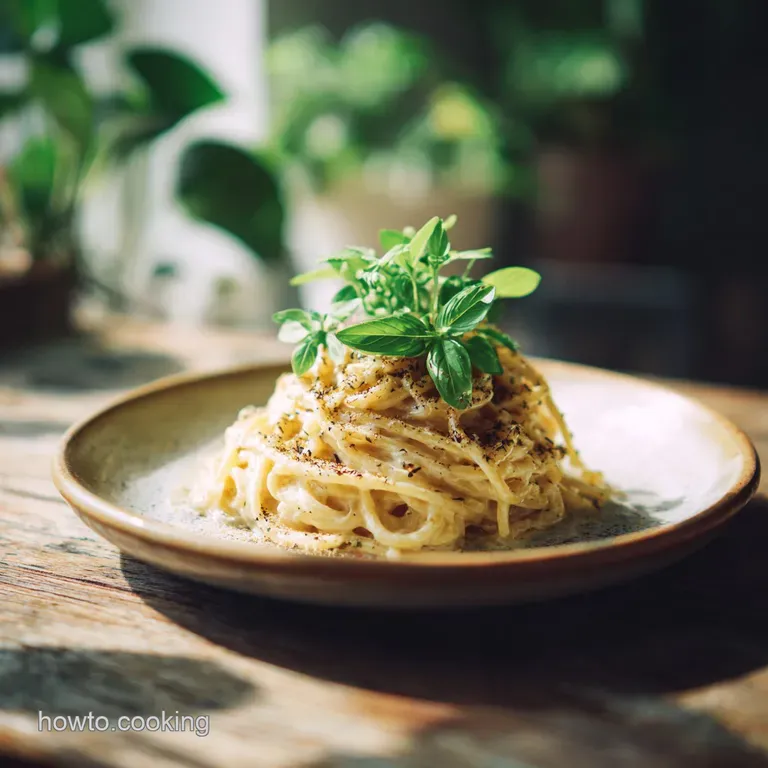
Why Your Sauce is Grainy
This usually happens when the heat is too high or you use pre shredded cheese. The cellulose coating on bagged cheese prevents it from melting into a liquid, resulting in little gritty bits.
Why Meatballs Fall Apart
If the meatballs crumble as soon as they hit the pan, the panade wasn't hydrated enough or the meat was too lean. The egg and the milk soaked crumbs act as the glue.
| Problem | Root Cause | Solution |
|---|---|---|
| Sauce is oily | Temperature was too high, causing the butter to separate | Whisk in 1 tbsp of hot pasta water vigorously to re bind |
| Meatballs are dry | Meat was over mixed or over cooked during the sear | Reduce sear time; finish cooking entirely in the sauce |
| Pasta is gummy | Pasta was overcooked before being added to the sauce | Pull pasta 2 minutes early; it cooks more in the skillet |
Common Mistakes Checklist:
- ✓ Don't skip the pasta water; it's the only thing that saves a broken sauce.
- ✓ Use a heavy pan to prevent "hot spots" that burn the cream.
- ✓ Grate your cheese fresh; it's the difference between grainy and velvety.
- ✓ Let the meatballs rest for 3 minutes before tossing with the pasta to keep them intact.
Easy Ways to Customize
Scaling this recipe is straightforward as long as you keep the ratios in mind. If you are cooking for a crowd, double the ingredients but work in two batches for the meatballs. If you overcrowd the pan, the meat will steam instead of sear, and you'll miss out on that savory crust. For a different flavor profile, you might try adding some spiced elements, similar to The Garlic Sausage recipe.
- If you want more texture, add 1/2 cup of toasted pine nuts at the very end.
- If you want a vegetable boost, stir in two cups of fresh baby spinach during the final toss; it will wilt in the residual heat.
- If you want a deeper flavor, add 1 tsp of balsamic glaze to the meatball mixture.
Myths About Alfredo
A common misconception is that you need flour or a roux to thicken Alfredo sauce. Real Alfredo relies on the reduction of cream and the binding power of cheese. Adding flour makes the sauce taste "pasty" and masks the delicate flavor of the nutmeg and butter.
Another myth is that searing meat "seals in the juices." In reality, searing is for the Maillard reaction, which creates dozens of new flavor compounds on the surface of the meatball. The juiciness actually comes from the panade we built at the start.
Storage and Reheating Tips
Storage: Store leftovers in an airtight container in the fridge for up to 3 days. The sauce will thicken and look solid when cold; this is normal due to the high butter content.
Freezing: You can freeze the cooked meatballs separately for up to 3 months. I don't recommend freezing the sauce, as cream based emulsions often "break" and become grainy upon thawing.
Reheating: This is the tricky part. Do not use a microwave if you can avoid it, as it will turn the sauce into oil. Instead, place the pasta and meatballs in a skillet with a splash of milk or water. Heat over low, stirring gently, until the sauce becomes creamy again.
Zero Waste Tip: If you have leftover sauce but no pasta, use it as a base for a white pizza or as a dip for crusty sourdough bread. You can also finely chop any leftover meatballs and stir them into a morning omelet for a high protein breakfast.
Ideal Pairings for Pasta
Since this is a rich, wholesome dish, it pairs best with something acidic or crisp to balance the palate. A simple arugula salad with a lemon vinaigrette is my go to. The bitterness of the greens cuts right through the heavy cream. If you're looking for something heartier, a side of roasted broccoli with red pepper flakes adds a nice crunch and a bit of heat that complements the savory meatballs perfectly. For a complete Italian inspired feast, you might even serve a small bowl of Creamy Alfredo Lasagna recipe as a starter for a large gathering.
Very High in Sodium
1140 mg mg of sodium per serving (50% of daily value)
The American Heart Association recommends limiting sodium intake to about 2,300mg per day for overall cardiovascular health.
Actionable Tips to Reduce Sodium
-
Reduce Parmesan-20%
Parmesan cheese is a significant source of sodium. Reduce the amount of Parmesan by half and consider using a low-sodium or reduced fat variety. This change can dramatically reduce the overall sodium content of the dish.
You can also consider adding a touch of nutritional yeast for a cheesy flavor with much less sodium.
-
Cut Back Salt-25%
Eliminate the added teaspoon of kosher salt. Taste the dish as you cook and only add a tiny pinch if absolutely necessary. Remember that the Parmesan cheese already contributes a significant amount of saltiness.
-
Leaner Meats-15%
Using leaner ground beef and pork (e.g., 90/10 ground beef) will inherently reduce sodium levels, as processed meats often contain added salt. Drain and rinse cooked ground meats to remove more fat and some sodium.
-
Low-Sodium Breadcrumbs-10%
Opt for low-sodium or homemade panko breadcrumbs to replace the regular panko breadcrumbs. Many store-bought breadcrumbs contain added sodium.
-
Skip Pasta Water-10%
While pasta water helps the sauce cling, it contains salt from cooking the pasta. Try using unsalted chicken broth to help bind the sauce instead.
-
Fresh Garlic Always-5%
Garlic powder often contains additives and more sodium than fresh garlic. So always use fresh minced garlic instead of garlic powder for better flavor and less sodium.
-
Spice It Up!
Enhance the flavor with sodium free herbs and spices like oregano, basil, red pepper flakes, or a bay leaf to compensate for the reduced salt. Experiment with different flavor combinations to find what you enjoy most.
Recipe FAQs
Are meatballs good in Alfredo?
Yes, meatballs are a classic and delicious addition to Alfredo sauce. The savory, slightly dense texture of a well made meatball provides a wonderful counterpoint to the rich, silky smoothness of the cream and cheese sauce.
What meat goes best with Alfredo sauce?
A blend of 80/20 ground beef and ground pork offers the best flavor and moisture. The beef provides depth while the pork melts away, keeping the meatballs tender. If you prefer poultry, our Light Herbaceous Greek recipe offers meatballs that stay juicy even when paired with a rich sauce.
What is a good sauce to eat with meatballs?
Alfredo is an excellent, rich choice for most savory meatballs. If you used a strongly seasoned meatball, like Italian herbs, Alfredo provides a creamy base that balances the seasoning. For a spicy variation, consider adapting the technique from our Spicy Moroccan Meatballs recipe and pairing them with a lighter, lemon infused Alfredo.
Do meatballs go with white sauce?
Yes, meatballs pair exceptionally well with any white sauce based on dairy or a roux. The term "white sauce" often refers to Béchamel or Alfredo, both of which thrive on the savory flavors released by seared meat. The fat in the meatballs enriches the sauce as they finish cooking together.
How can I keep my meatballs tender when adding them to Alfredo?
Sear the meatballs completely on the exterior first, then finish them in the simmering sauce. The initial sear creates structure, and finishing them slowly in the sauce allows them to absorb moisture without drying out.
If you are worried about dryness, review our panade technique; it ensures internal moisture retention.
Why does my Alfredo sauce break or look oily after adding cheese?
The heat was too high when you added the Parmesan, causing the fat and protein to separate. You must keep the heat very low, whisking constantly while adding the cheese in small batches to maintain a stable emulsion.
If this happens, vigorously whisk in a tablespoon of hot, starchy pasta water to try and re-bind the sauce.
Can I substitute heavy cream with milk in the Alfredo sauce?
No, you should strongly avoid substituting heavy cream with regular milk for this dish. Milk has a much lower fat content, which means it cannot effectively hold the emulsified cheese and butter, leading to a thin, grainy, or separated sauce. For a similar creamy texture without the high fat, you would need to use a thickening agent or an alternative like in our & Creamy Chicken recipe which often uses starchier components.
Meatball Alfredo Recipe
Ingredients:
Instructions:
Nutrition Facts:
| Calories | 1079 kcal |
|---|---|
| Protein | 42 g |
| Fat | 63 g |
| Carbs | 64 g |
| Fiber | 3 g |
| Sugar | 4 g |
| Sodium | 1140 mg |
