Heavy Cream Recipe with Milk and Butter: Silky Smooth
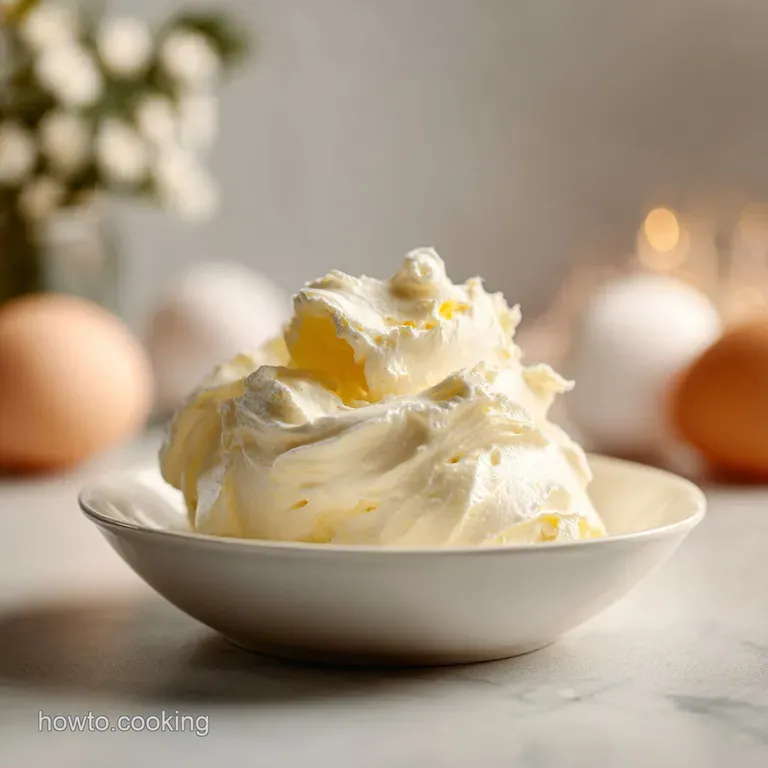
- Time: Active 2 minutes, Passive 5 minutes, Total 7 minutes
- Flavor/Texture Hook: Silky, buttery, and incredibly smooth
- Perfect for: Sauces, soups, and emergency baking needs
- Master This Heavy Cream Recipe with Milk and Butter
- Core Mechanics for Silky Liquid Gold
- Essential Elements for Rich Dairy Texture
- Simple Tools for Seamless Emulsification
- Step-by-Step Guide to Creamy Success
- Solving Common Texture and Stability Issues
- Flavor Adaptations and Dietary Substitutions
- Proper Storage and Zero Waste Tips
- Creative Ways to Use Your Creation
- Recipe FAQs
- 📝 Recipe Card
Master This Heavy Cream Recipe with Milk and Butter
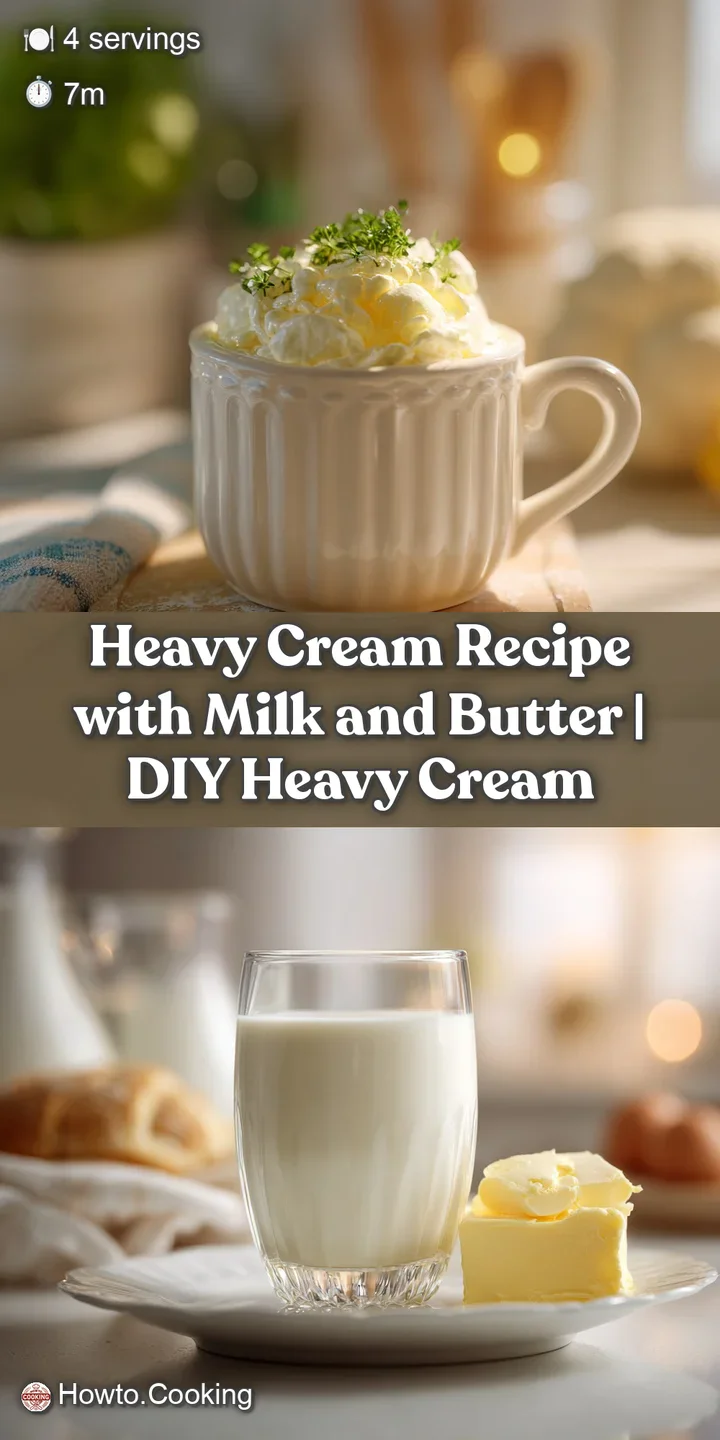
Imagine the scene: your pasta is simmering, the aroma of sautéed garlic and herbs fills the air, and you reach into the fridge for that splash of heavy cream. Your hand meets empty air. This heavy cream recipe with milk and butter lets you whip up a perfect substitute anytime.
I have been there more times than I care to admit, usually on a Sunday evening when the local shop is already locked up.
It is a sinking feeling, but it does not have to ruin your dinner. I remember the first time I tried this hack; I was skeptical that two basic ingredients could actually behave like thick cream.
But as I whisked the melted butter into the milk, I watched it transform into a velvety liquid that saved my vodka sauce and my sanity. It is about confidence in the process and knowing how dairy behaves under pressure.
We are not just mixing things together here, we are performing a small kitchen miracle. You do not need fancy equipment or a chemistry degree to get this right. We are going to use reliable steps to ensure your "cream" does not separate or turn greasy.
Once you learn this trick, you will never panic over an empty carton again. It is wholesome, practical, and honestly, a bit of a superpower for any home cook.
Core Mechanics for Silky Liquid Gold
Emulsification Bond: Whisking melted fat into protein rich milk creates a temporary emulsion where fat globules stay suspended in the liquid. This mimicry provides the same rich mouthfeel as natural cream by boosting the overall fat content to roughly 36%.
- Fat Reconstitution: We are essentially putting the butterfat back into the milk, which was removed during the skimming process at the dairy plant.
- Thermal Stability: Using room temperature milk prevents the melted butter from instantly seizing into solid clumps upon contact.
- Viscosity Control: The ratio of 1 part butter to 3 parts milk is the sweet spot for recreating the thickness needed for coating the back of a spoon.
| Method | Time | Texture | Best For |
|---|---|---|---|
| Hand Whisk | 4 minutes | Lightly thickened | Quick pan sauces |
| Blender | 1 minute | Very smooth | Soups and chowders |
| Hand Frother | 30 seconds | Highly stable | Small batch baking |
If you are looking for more dairy shortcuts, you might find this Homemade Heavy Cream recipe helpful for those high speed kitchen moments. It is all about working with what you have on hand to maintain that wholesome flavor.
Essential Elements for Rich Dairy Texture
| Component | Science Role | Pro Secret |
|---|---|---|
| Unsalted Butter | Fat Source | Use high-quality grass fed butter for a deeper golden color and richer taste. |
| Whole Milk | Liquid Base | Ensure it is full fat milk, as the proteins are vital for holding the emulsion together. |
| Residual Heat | Emulsifier | Keep the butter warm but not bubbling to ensure it integrates without "breaking" the milk. |
When you are working with these ingredients, remember that temperature is your best friend. If the milk is ice cold, the butter will shatter into tiny orange flakes instead of becoming silky. I always let my milk sit on the counter for a few minutes while I melt the butter.
This small step ensures the transition is smooth and the final result is flawlessly integrated.
Simple Tools for Seamless Emulsification
You do not need a pantry full of gadgets to pull this off. For a busy cook, the best tools are the ones already in your drawer. A simple balloon whisk is usually enough, but if you want that professional, velvety finish, a small handheld milk frother is a game changer.
It spins fast enough to create a tight emulsion that stays stable longer.
I usually reach for a small glass measuring cup to mix everything. It makes pouring the finished product into your skillet or mixing bowl much cleaner. Avoid using a plastic bowl if possible, as fat tends to cling to the sides, making it harder to get every drop of that rich liquid.
Stick to glass or stainless steel for the best results and easier cleanup.
step-by-step Guide to Creamy Success
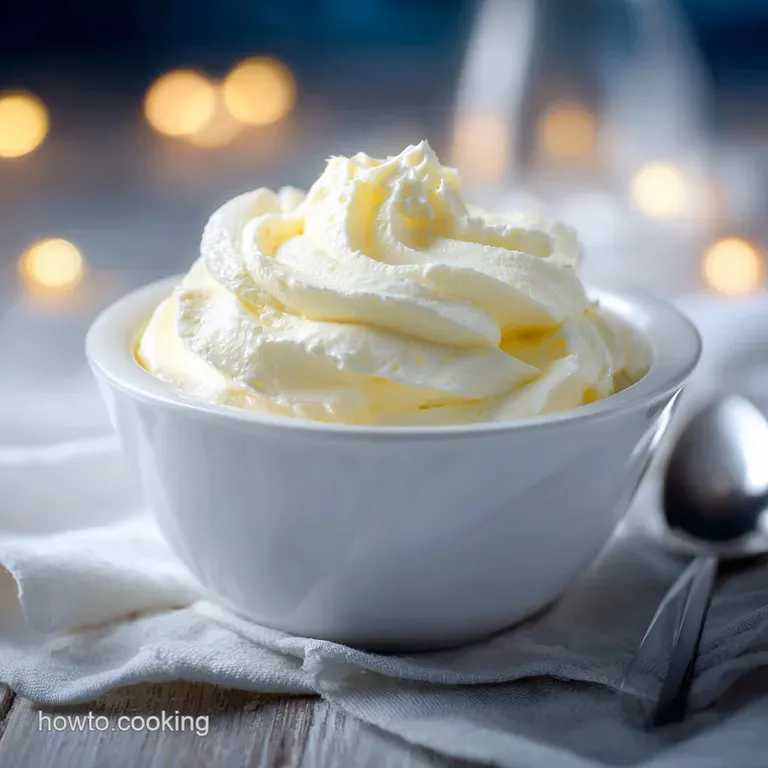
- Measure 1/4 cup unsalted butter. Note: Using unsalted lets you control the seasoning of your final dish.
- Place the butter in a microwave safe bowl.
- Heat in 15 second intervals until just melted and translucent.
- Measure 3/4 cup whole milk into a separate glass container.
- Slowly drizzle the warm butter into the milk while whisking constantly. Note: This prevents the butter from floating on top.
- Continue whisking for 2 minutes until the liquid is uniform and slightly thickened.
- Check the temperature; it should feel lukewarm, not hot.
- Let the mixture rest for 1 minute until any small bubbles settle.
- Whisk once more before adding to your recipe.
- Pour into your sauce or batter until the desired consistency is achieved.
If you find yourself making your own staples often, you should check out this Homemade Butter From recipe to see how the process works in reverse. It is fascinating how these dairy components can be taken apart and put back together with just a little bit of mechanical force.
Solving Common Texture and Stability Issues
The Oil Slick Effect
This happens when the butter separates and floats on top of the milk in greasy yellow puddles. It is usually caused by adding the butter too quickly or using milk that is too cold. The fat molecules cannot find a "grip" on the water molecules in the milk, so they just group together.
Grainy or Clumpy Texture
If your mixture looks curdled or has tiny solid bits, your milk might be a bit too old or the butter was too hot. High heat can cause the milk proteins to denature and clump together. Always aim for "melted but cool" rather than "piping hot" when integrating your fats.
| Problem | Root Cause | Solution |
|---|---|---|
| Separation | Added fat too fast | Whisk in a teaspoon of flour or cornstarch to bridge the gap. |
| Thin liquid | Not enough fat | Add another tablespoon of melted butter and whisk vigorously. |
| Butter solidifying | Milk was too cold | Microwave the whole mixture for 10 seconds and whisk again. |
Common Mistakes Checklist ✓ Avoid using margarine; the water content is too high for a stable cream. ✓ Do not boil the butter; it changes the flavor and can scald the milk. ✓ Never use skim milk; there isn't enough protein or fat to hold the structure.
✓ Always whisk as you pour; do not just dump the butter into the milk. ✓ Use it immediately for the best texture in cooked dishes.
Flavor Adaptations and Dietary Substitutions
While the classic milk and butter combo is the gold standard for a heavy cream substitute, you can play with the ratios depending on what is in your pantry. If you only have 2% milk, you will need to increase the butter by a tablespoon to compensate for the missing fat.
It won't be quite as rich, but it will get the job done in a pinch.
| Original Ingredient | Substitute | Why It Works |
|---|---|---|
| Whole Milk (3/4 cup) | Half and Half (3/4 cup) | Already higher fat. Note: Reduce butter to 2 tablespoons for a similar result. |
| Unsalted Butter (1/4 cup) | Salted Butter (1/4 cup) | Same fat content. Note: Reduce the salt in your overall recipe by 1/4 teaspoon. |
If you are looking to scale this down for a single serving of coffee or a small bowl of soup, you can easily halve the recipe. Just remember to use a smaller bowl so your whisk can actually reach the liquid.
When scaling up for a big batch of chowder, double the ingredients but keep the whisking time the same to avoid over aerating the mixture.
Proper Storage and Zero Waste Tips
This mixture is best used immediately because the emulsion is temporary. However, if you have leftovers, you can store them in an airtight jar in the fridge for up to 2 days. The butter will naturally rise to the top and solidify as it cools, forming a yellow cap.
When you are ready to use it again, just gently warm the jar in a bowl of warm water and give it a good shake to reintegrate.
Do not let any leftover "cream" go to waste! If you have just a tablespoon or two left, stir it into your morning scrambled eggs for a velvety texture or add it to a mashed potato pot. You can even freeze the mixture in ice cube trays.
These "cream cubes" are perfect for dropping into a bubbling pan of gravy or a bowl of oatmeal to add instant richness and a wholesome finish.
Creative Ways to Use Your Creation
This substitute is a champion in savory dishes. It excels in creamy pasta sauces, mashed potatoes, and thickened soups like tomato bisque. Because it has a high butter content, it actually adds a lovely depth of flavor that standard heavy cream sometimes lacks.
It is particularly flavorful when used to finish a pan sauce for chicken or steak.
The one thing to keep in mind is the whipping limitation. Because this is a "constructed" cream, it does not have the specific structural proteins required to hold air bubbles for long periods. You can get it slightly frothy, but it will never turn into stiff peaked whipped cream for a pie.
Use it for cooking and baking where the cream is integrated into the dish, and you will be thrilled with the results.
- If you want a thicker sauce, add a teaspoon of flour to the butter as it melts before mixing with milk.
- If you want a richer soup, use a blender to combine the milk and butter for a more permanent emulsion.
- If you want a glossier finish, whisk in the "cream" at the very end of cooking, off the heat.
Myths about Homemade CreamMyth: You can use this to make homemade ice cream. Truth: While it adds fat, the lack of stabilizers means your ice cream might end up with a slightly icy or greasy texture compared to using real heavy cream.
Myth: It lasts as long as store-bought cream. Truth: Because we have broken the original emulsion and introduced heat, it spoils faster. Use it within 48 hours for the best flavor and safety.
Recipe FAQs
Can I make heavy cream with milk and butter?
Yes, this is a popular and effective hack. You are essentially adding back the missing butterfat into whole milk to mimic the high fat content of commercial heavy cream. The process requires careful emulsification, often achieved by slowly whisking the melted butter into the milk.
What do you get when you mix butter and milk?
You get a temporary, high fat emulsion. When done correctly, the resulting liquid has a texture very similar to light or heavy cream, suitable for sauces and baking. If the butter is too hot or added too fast, you will get separated milk with a layer of grease floating on top.
How much milk and butter for 2 cups of heavy cream?
Use 1.5 cups of whole milk and 1/2 cup of unsalted butter. This ratio directly scales the standard formula, which is 3 parts milk to 1 part melted butter by volume. Remember to keep the butter warm but not boiling when you combine it to ensure a stable mix.
How much milk and butter equals 1 cup of heavy cream?
Combine 3/4 cup of whole milk with 1/4 cup of melted unsalted butter. Whisk these together vigorously for at least two minutes until the liquid appears uniform and slightly viscous. If you are using this substitute for a delicate dessert, you might want to add it to your Vanilla Bean Dream recipe off the heat.
Can I use low-fat milk instead of whole milk for this substitute?
No, you should avoid low-fat or skim milk. These milks lack the necessary protein and residual fat required to stabilize the emulsion you are trying to create with the added butter. You will end up with an unstable mixture that separates immediately upon cooling or cooking.
Will this homemade cream substitute whip up like commercial heavy cream?
No, this mixture will not hold stiff peaks for frosting or topping. Since this is a constructed emulsion, it lacks the specific, high percentage fat structure needed for long term aeration. It works perfectly for enriching sauces, like my Ridiculously Rich Chocolate recipe, but not for topping pies.
What is the best way to ensure the butter fully incorporates and doesn't separate?
Slowly stream the melted butter into the milk while whisking constantly and rapidly. This mechanical action forces the fat globules to surround themselves with the milk proteins, creating a stable suspension.
If you master this continuous motion, you are also mastering the core emulsification principle used in many complex dressings.
Milk Butter Cream Recipe
Ingredients:
Instructions:
Nutrition Facts:
| Calories | 130 calories |
|---|---|
| Protein | 1.6 g |
| Fat | 13.1 g |
| Carbs | 2.2 g |
| Sugar | 2.3 g |
| Sodium | 21.8 mg |
