One Pot Sausage Pasta: the Creamy Tuscan Mascarpone Recipe
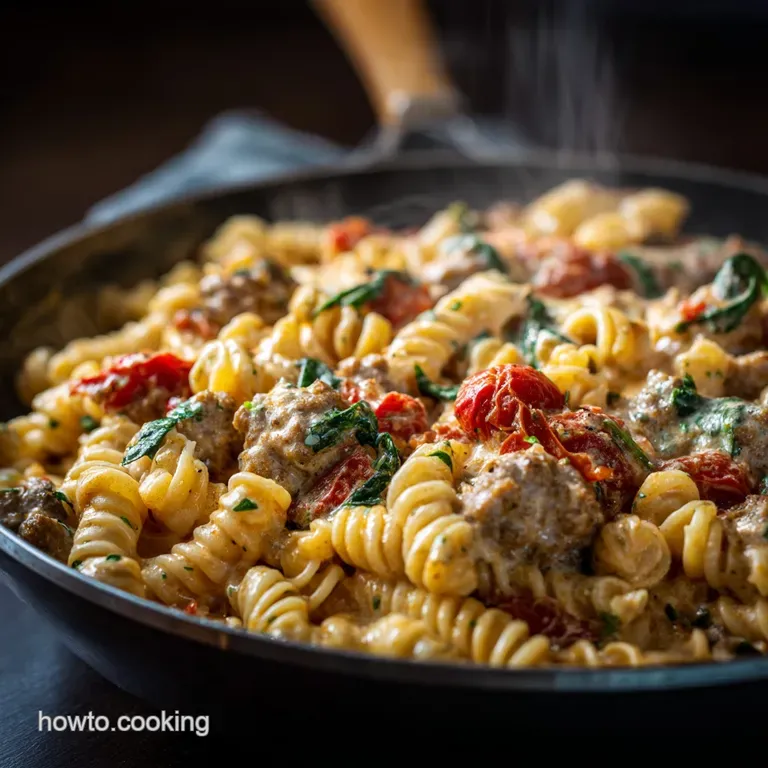
- The Ultimate One-Pot Sausage Pasta: Dinner Solved in Under 30 Minutes
- The Science of Velvety Sauce: Why the One-Pot Method is Superior
- Essential Ingredients and Customizing Your One Pot Sausage Pasta
- Step-by-Step: Building Maximum Flavor for Your Tuscan Sausage Pasta
- Troubleshooting Common Mistakes and Chef’s Notes
- Making Ahead: Storage and Reheating Guidelines
- Pairing Your Hearty One-Pot Meal: Serving Suggestions
- Recipe FAQs
- 📝 Recipe Card
The Ultimate One-Pot Sausage Pasta: Dinner Solved in Under 30 Minutes
Imagine the rich, savory smell of browned fennel sausage mixing perfectly with sweet, warm tomato paste and garlic. It smells like Italy, doesn't it? The best part is that this stunning aroma is coming from a single pot, and that pot holds pasta coated in a sauce so velvety smooth you’d swear it took hours to achieve.
This isn’t just a quick meal; it’s a weeknight superhero that saves dinner. We are talking about maximum flavor payoff for minimal scrubbing afterward, which is exactly what every home cook needs after a long day.
Seriously, this recipe is fast, surprisingly cheap, and it makes enough to feed a crowd or guarantee leftovers.
I’ve tweaked this method dozens of times to make sure the pasta never sticks and the sauce always emulsifies perfectly. Grab your biggest Dutch oven, because we are diving into the ultimate one-pot creamy sausage pasta recipe that will change how you view weeknight cooking forever.
The Science of Velvety Sauce: Why the One-Pot Method is Superior
The reason this technique works so brilliantly is simple: science. When you cook pasta directly in the sauce, all the starches that usually go down the drain are released right into your simmering liquid. This starchy liquid is the magic behind that restaurant quality, thick, emulsified sauce.
The Tuscan Style Difference: Why Mascarpone Matters
Most recipes call for heavy cream, but I stand firmly in the mascarpone camp. This sweet Italian cream cheese is incredibly fatty and mild, giving the sauce a luscious mouthfeel without overpowering the sausage and tomato base. It is the secret weapon.
You get that deep creaminess without the sauce tasting too heavy or cloying.
The All-in-One Advantage: Maximizing Flavor, Minimizing Cleanup
Every single ingredient in this dish builds on the last, ensuring zero flavor waste. You brown the sausage, and those sticky, caramelized bits the fond —stay right in the pot.
The onions and garlic scrape up that flavor, and the stock then captures all of it, infusing every piece of pasta as it cooks.
Starch Release: Achieving the Natural Emulsion and Thickening
When the pasta boils in the stock, it continuously sheds starch molecules. Stirring frequently helps dissolve this starch, which acts as a completely natural thickener. You never need flour or cornstarch here; the pasta does the work for you, resulting in a sauce that clings beautifully to every short noodle.
Infusing the Pasta: Deepening the Sausage and Tomato Flavor
Unlike traditional pasta dishes where you toss cooked pasta into a pre-made sauce, here the pasta absorbs the flavor as it hydrates. Instead of bland white pasta, you get noodles infused with oregano, fennel, garlic, and rich tomato from the inside out. This makes the flavor unbelievably deep.
The Quickest Creaminess: Finishing with Mascarpone
The key to a silky finish is adding the mascarpone and Parmesan off the heat, right at the end. If you boil dairy, it can sometimes curdle or separate, leaving you with a grainy texture.
Removing the pot ensures the cheese melts smoothly into that hot, starchy liquid for instantaneous, velvety creaminess.
Essential Ingredients and Customizing Your One Pot Sausage Pasta
Choosing high-quality ingredients matters, but flexibility is the name of the game in my kitchen. You should always feel free to make this recipe your own based on what you have on hand. Don't stress if you need to swap something out.
Choosing Your Sausage: From Mild Italian to Hot Fennel Links
I prefer bulk Italian sausage meat, whether mild or hot, because the intense seasoning is what drives the dish. If you can only find links, just pinch the meat out of the casings before you start browning. The sweet version works wonderfully if you are serving kids or spice averse friends.
Perfect Pasta Shapes for the One-Pot Method (And What to Avoid)
Short, sturdy shapes are your best friends here. Think penne, fusilli, rigatoni, or even elbow macaroni. Avoid long, delicate shapes like spaghetti or fettuccine. They tend to stick together in clumps and don't submerge well in the liquid, leading to uneven cooking.
Stock vs. Water: The Critical Difference in Sauce Depth
If you use water, your sauce will be watery and slightly flavorless. We use low-sodium chicken stock because it adds complexity and saltiness right from the start. You could absolutely substitute vegetable stock if needed, but water should only be used in an emergency splash if the sauce is too thick.
Mascarpone Alternatives for dairy-free Creaminess
If dairy is an issue, you still deserve this creamy sauce. Cashew cream or a high-quality vegan cream cheese (like Miyoko's Kitchen brand) works surprisingly well. For non-dairy users, ensure you blend or whisk the substitution thoroughly before adding it to the hot pasta off the heat.
| Ingredient to Substitute | Recommended Swap | Why It Works |
|---|---|---|
| Italian Sausage | Ground Turkey or Pork Mince | Needs extra fennel seed and red pepper flakes for flavor boost. |
| Mascarpone Cheese | Crème Fraîche or Heavy Cream | Crème fraîche adds a welcome tang; heavy cream is richer but less subtle. |
| Chicken Stock | Vegetable Broth | Maintains the necessary sodium and depth, avoiding blandness. |
step-by-step: Building Maximum Flavor for Your Tuscan Sausage Pasta
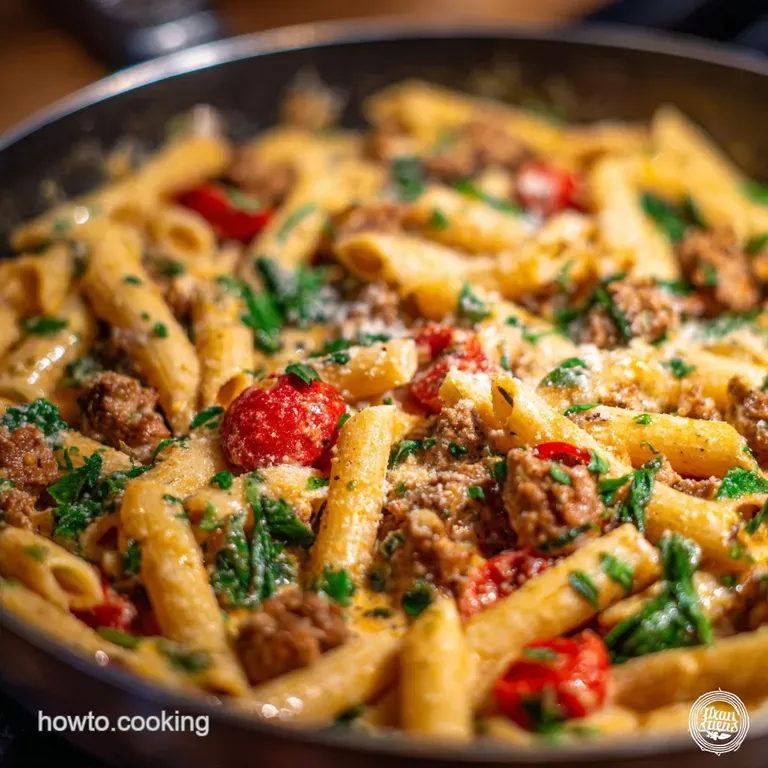
Remember, we are building flavor in layers here. Take your time during the first few steps; that’s where 80% of the deliciousness comes from.
Browning the Sausage and Building the Base Aromatics
Heat your oil in a large Dutch oven over medium high heat. Add the sausage meat, breaking it up completely with your spoon, and let it brown aggressively for 5- 7 minutes.
Once it’s crispy and caramelized, spoon out all but a tablespoon of the fat; this keeps the finished dish from being greasy. Reduce the heat and add the diced onion, cooking until soft. Then add the garlic and red pepper flakes, cooking only until fragrant about one minute.
Never let the garlic burn!
Chef's Note: Toasting the tomato paste is non-negotiable. Stir in the tomato paste and dried oregano, cooking them for two minutes. This removes the metallic, acidic edge and caramelizes the sugars, intensifying the foundation of your entire sauce.
The Liquid Ratio: Adding Stock and Bringing to a Rolling Simmer
Pour in the crushed tomatoes and the chicken stock. I always use warm or hot stock here; adding cold stock slows everything down drastically. Add your initial salt and pepper, then bring the whole glorious mixture up to a strong simmer. Once bubbling, add the dry pasta, stirring to ensure every piece is submerged.
Cook Time & Agitation: Ensuring Evenly Cooked Pasta (Al Dente Check)
Cover the pot, reduce the heat to medium low, and maintain a gentle but steady simmer. You will cook this for 12– 15 minutes, which is usually two minutes less than the package instructions. You must stir the pasta vigorously every 3 minutes. This stops the starch from clumping and prevents the pasta from welding itself to the bottom of the pot. When most of the liquid is absorbed and the pasta is nearly tender, remove the lid. If it looks dry, splash in a little more hot stock. If you love one-pot cooking, you should also check out my recipe for Chicken Taco Soup: The Easiest 40 Minute One-Pot Recipe ; it’s another winner!
The Final Swirl: Incorporating the Mascarpone Finish
Remove the pot entirely from the heat. This is crucial for texture. Stir in the mascarpone cheese and the grated Parmesan until the sauce is completely homogenous and creamy. Taste it now and adjust the seasoning! It usually needs a final pinch of salt to truly pop.
Troubleshooting Common Mistakes and Chef’s Notes
Even in the world of one-pot wonders, things can go wrong. I have made every mistake, and these are the top three pitfalls to avoid.
Preventing Sticking: The Secret to Proper Agitation
I once forgot to stir for about six minutes while taking a work call, and I ended up scraping charred pasta off the bottom of my pot for twenty minutes. Stirring is the single most important action in this recipe. It releases starch and prevents sticking.
Set a timer if you need to; just stir every three minutes.
Adjusting Consistency: Too Thick vs. Too Loose Sauce
If your sauce finishes looking like concrete, you cooked off too much liquid. No worries! Add a quarter cup of hot water or stock, stir well, and let it sit covered for two minutes.
If the sauce is too loose and soupy, let it simmer, uncovered, for an extra 3– 5 minutes at medium heat, stirring constantly, until it reduces to your liking.
The Importance of Resting Time Off the Heat
When you pull the pot off the stove and add the mascarpone, don't rush to serve. Let the pasta rest, covered, for 5 minutes. The pasta will finish absorbing excess moisture, and the sauce will thicken up to that perfect, clinging consistency. Trust me, it makes a huge difference.
Making Ahead: Storage and Reheating Guidelines
This recipe is incredibly forgiving, making it fantastic for meal prep. Who doesn’t love having a massive batch of hearty comfort food ready to go? You might even be able to squeeze it into your weeknight rotation alongside something like Texas Hash Casserole: Hearty, Cheesy Comfort Food Done Easy — another great option!
Fridge Life and Best Practices for Leftovers
Leftovers keep beautifully in an airtight container for 3 to 4 days in the fridge. A word of warning: cooked pasta tends to soak up moisture as it sits, so the dish will be much thicker and drier the next day.
Freezing Cooked Pasta: Yes, You Can (With A Caveat)
You absolutely can freeze this, but understand the texture will change slightly upon thawing. Freeze cooled portions in airtight containers for up to 2 months. To reheat, thaw overnight in the fridge and then place in a pot or microwave, adding a splash of milk or stock to restore the creamy texture.
Fresh Garnish Ideas for Brightness and Texture
When you reheat the pasta, the fresh herbs lose their vibrancy. Always save some fresh basil or parsley to chop and toss on top right before serving. A grating of fresh Parmesan is non-negotiable, and a drizzle of really good quality olive oil finishes the dish perfectly.
Pairing Your Hearty One-Pot Meal: Serving Suggestions
Because this one-pot pasta is rich, creamy, and wonderfully satisfying, you need something light and acidic to cut through the richness.
My favorite pairing is a simple, crisp side salad. I usually grab a handful of peppery arugula (rocket) and dress it minimally with lemon juice, sea salt, and a splash of olive oil. The sharp leaves and bright dressing contrast the decadence of the mascarpone and sausage perfectly. Don’t forget the bread!
Crusty Italian or French bread is essential for mopping up every last drop of that creamy, tangy sauce.

Recipe FAQs
Why did my sauce dry out or become too thick before the pasta finished cooking?
This usually indicates that your heat was too high, causing the liquid to evaporate too quickly during the simmering process. Ensure you are maintaining a gentle, consistent simmer, and check that your lid fits properly to minimize steam loss.
If needed, add a small splash of warm water or stock toward the end to achieve the perfect velvety consistency.
Can I store and reheat leftovers, and how should I do it?
Absolutely, leftovers are fantastic and can be stored in an airtight container in the refrigerator for up to three days. When reheating, the pasta will have absorbed most of the sauce, so you must loosen it by stirring in a tablespoon or two of milk, cream, or stock while warming it gently on the stovetop or in the microwave.
Avoid excessive high heat which can split the creamy sauce.
I don't have Mascarpone. What is the best substitution to keep the sauce creamy?
Mascarpone is chosen for its neutral, rich creaminess, but you can substitute it with full fat cream cheese or high-quality heavy (double) cream stirred in at the final stage. If you prefer a slight tang, plain Crème Fraîche or even Greek yogurt can be used, ensuring you temper them carefully before adding to the hot pan to prevent curdling.
Can I use dried herbs instead of fresh, or add extra vegetables?
Yes, you can substitute dried Italian herbs for fresh, but remember that dried herbs are stronger, so use about one-third of the amount specified. For extra vegetables, chopped bell peppers or spinach are excellent additions; add hard vegetables like peppers early with the garlic, and stir in soft greens like spinach right at the end.
How can I adapt this recipe to be vegetarian or vegan?
To make this dish vegetarian, substitute the sausage with finely diced mushrooms (cremini or chestnut) or a firm plant based mince, and ensure you use vegetable stock. For a vegan version, swap the Mascarpone for a cashew cream or a quality plant based cooking cream substitute.
Why is my pasta still hard after the liquid is completely gone?
This typically occurs if the pasta clumped together during cooking, preventing even hydration, or if the heat was too low to maintain an active simmer. Ensure you stir frequently during the first few minutes after adding the pasta to prevent sticking, and maintain a consistent, slow boil throughout the cooking time.
You may simply need to add another 1/2 cup of hot stock and cook for two more minutes.
Does this One-Pot Pasta freeze well?
While you can freeze this dish, the texture of the pasta often becomes softer and slightly mushy upon thawing and reheating, as the starches break down. If freezing is necessary, ensure the pasta is undercooked by about 2 minutes (very al dente) before adding the mascarpone, and use an airtight container to minimize freezer burn.
One Pot Sausage Pasta Creamy
Ingredients:
Instructions:
Nutrition Facts:
| Calories | 996 kcal |
|---|---|
| Protein | 41.8 g |
| Fat | 55.2 g |
| Carbs | 81.0 g |
