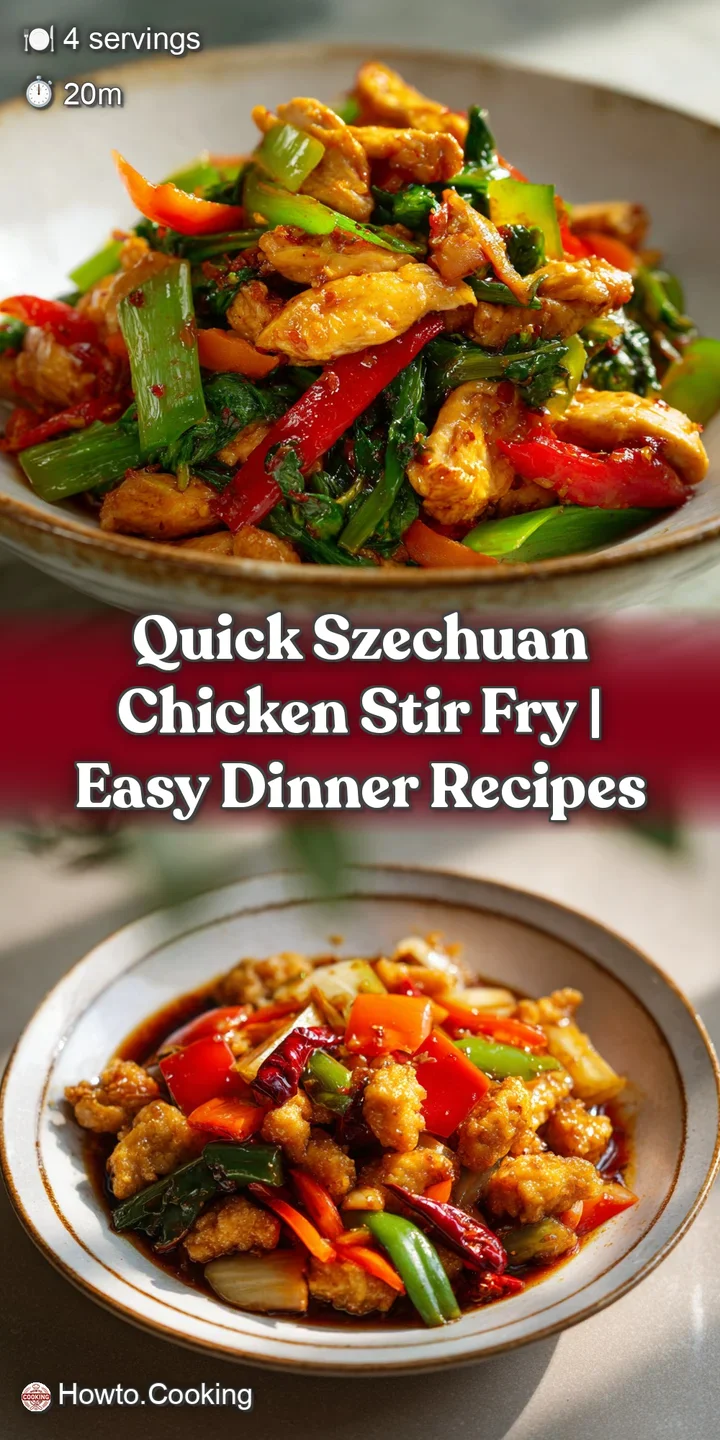
Szechuan Chicken Stir Fry
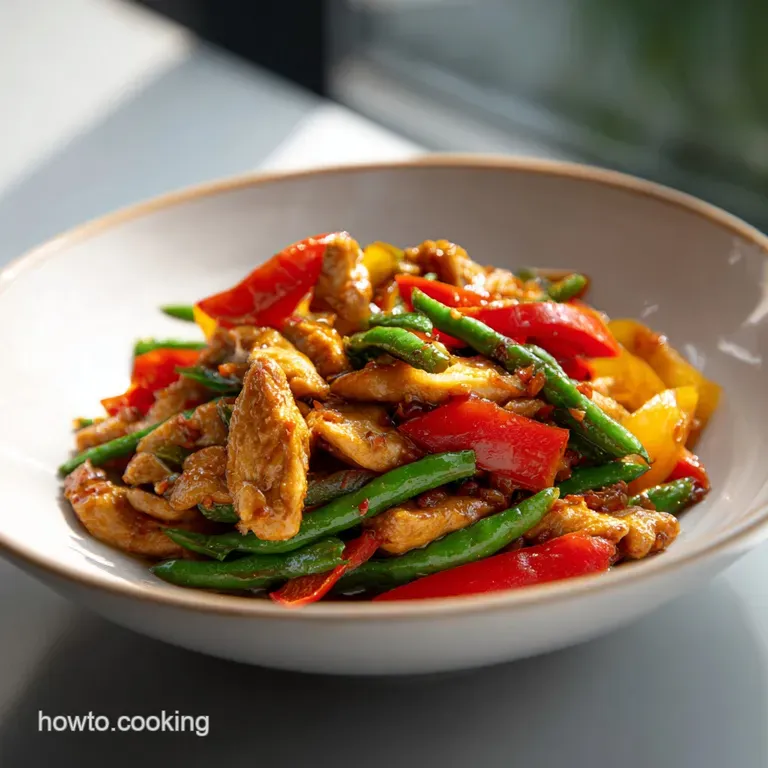
- Time: Active 10 minutes, Passive 10 minutes, Total 20 minutes
- Flavor/Texture Hook: Silky chicken with a buzzy, numbing spice and a crisp peanut crunch.
- Perfect for: High speed weeknight dinners when you crave bold, spicy flavors.
- Master the Ultimate Szechuan Chicken
- Why This Recipe Works Fast
- Essential Components for Deep Flavor
- Tools for Better Stir Fry
- Step by Step Cooking Guide
- Fix Common Stir Fry Issues
- Tasty Variations for Any Diet
- Scaling This Recipe Up or Down
- Searing Meat Seals Juices
- Szechuan Peppercorns Are Peppercorns
- Storing and Reheating Your Meal
- Perfect Pairings for This Dish
- Very High in Sodium
- Recipe FAQs
- 📝 Recipe Card
Master the Ultimate Szechuan Chicken
The first time I tried to make Szechuan chicken at home, I basically turned my kitchen into a tear gas chamber. I tossed whole dried chiles into a smoking hot pan and immediately started coughing so hard I had to open every window in the house. It was a disaster, but that spicy, numbing aroma hooked me.
I knew I had to figure out how to get those bold flavors without the culinary drama or a massive grocery bill.
I spent months tweaking this version to make it work for a normal home kitchen. We're talking about that specific "málà" sensation - the combination of spicy heat and the numbing tingle of Szechuan peppercorns.
It shouldn't be a struggle to find these ingredients, and it definitely shouldn't take an hour to prep. I've streamlined the process so you get that velvety, tender texture you usually only find in takeout, right in your own skillet.
What you're getting here is a reliable, budget conscious way to hit those cravings. We use a few smart pantry swaps to keep the costs down while maintaining that signature zing. No more dry, rubbery chicken or bland stir fry sauce.
This is the version I make when I'm exhausted after work but refuse to settle for a boring sandwich.
Why This Recipe Works Fast
- Alkaline Velveting: Adding a tiny bit of baking soda raises the pH of the meat surface, which hinders the proteins from bonding too tightly. This ensures the chicken stays silky and tender instead of getting tough when it hits the hot oil.
- Maillard Acceleration: The small amount of brown sugar in the sauce reacts with the amino acids in the chicken under high heat. This creates deep, savory flavors and a beautiful dark glaze in just seconds.
- Capsaicin Solubility: By tossing the dried chiles in oil early, we allow the heat carrying capsaicin to dissolve into the fat. This distributes the spice evenly throughout the entire dish rather than leaving it in hot pockets.
- Starch Gelatinization: Using cornstarch in both the marinade and the sauce creates a physical barrier that locks in moisture while helping the sauce cling to every inch of the chicken.
| Chicken Thickness | Internal Temp | Rest Time | Visual Cue |
|---|---|---|---|
| 1 inch cubes | 165°F | 2 minutes | Opaque center, no pink |
| 0.5 inch strips | 165°F | 1 minute | Edges slightly golden |
| Ground chicken | 165°F | None | Fully browned throughout |
If you find yourself making stir fry often, you might notice that the technique here is very similar to the one I use in my Velvety Chicken Cabbage recipe. The goal is always to protect the protein from the aggressive heat of the pan. By mastering this quick sear, you can swap out the spicy Szechuan elements for milder sauces whenever you need a change of pace.
Essential Components for Deep Flavor
| Ingredient | Science Role | Pro Secret |
|---|---|---|
| Baking Soda | Protein Relaxer | Use exactly 0.5 tsp; too much creates a metallic, soapy aftertaste. |
| Chinkiang Vinegar | Acidic Balance | This black vinegar adds a fermented, malty depth that regular white vinegar lacks. |
| Cornstarch | Moisture Barrier | It creates a "micro crust" that absorbs the sauce without making the meat soggy. |
| Szechuan Peppercorns | Numbing Agent | Toast them in a dry pan first to release the oils responsible for the tingling sensation. |
For the protein, you'll need 1.5 lbs boneless skinless chicken breasts. I prefer breasts for this because they pick up the delicate "málà" flavors better, but you could use thighs if you want more fat.
We're going to use 2 tbsp cornstarch, divided - half goes into the marinade to protect the meat, and the other half thickens the sauce at the very end.
The liquid base relies on 4 tbsp soy sauce, also divided. You'll use some to season the meat and the rest to build the bulk of the sauce. To get that authentic aroma, 1 tsp toasted sesame oil is non negotiable. For the zing, 1 tbsp Chinkiang black vinegar provides a smoky acidity.
If you can't find it, balsamic vinegar is a surprisingly decent budget friendly swap. Add 1 tbsp Shaoxing wine for that fermented depth and 1 tbsp brown sugar to balance the salt and heat.
The heat comes from 1 tbsp chili garlic sauce and 15 dried red chiles. Don't be intimidated by the number of chiles; we leave most of them whole or in large halves so they flavor the oil without making the dish inedible. You'll also need 2 tbsp neutral oil (like canola or vegetable) for the actual frying.
For the aromatics, gather 1 tbsp Szechuan peppercorns, 3 cloves garlic, an 1 inch piece of fresh ginger, and 3 green onions. Finally, 1 red and 1 green bell pepper add color, while 0.5 cup roasted peanuts provide that essential crunch.
Tools for Better Stir Fry
You don't actually need a professional wok to make great Szechuan Chicken. A large, heavy bottomed stainless steel or cast iron skillet works wonders because it retains heat effectively. The key is surface area.
If your pan is too small, the chicken will steam in its own juices rather than searing, and you'll lose that velvety texture we're aiming for.
A sharp chef's knife is your best friend here. Since we're julienning ginger and slicing garlic thinly, a dull blade will just frustrate you. I also recommend having a few small bowls ready for your "mise en place." Stir frying happens so fast - usually in under 10 minutes - that you cannot afford to be chopping vegetables while the chicken is already in the pan. If you've ever tried my How to Make recipe for chow mein, you know that preparation is 90% of the battle in Chinese cooking.
step-by-step Cooking Guide
1. Velveting the Protein
Place the 1.5 lbs of cubed chicken in a bowl. Mix in 1 tbsp of the soy sauce, 1 tbsp of the cornstarch, the 1 tsp of toasted sesame oil, and the 0.5 tsp of baking soda. Note: This creates the protective coating. Let this sit for at least 10 minutes while you prep the vegetables.
2. Toasting the Peppercorns
Add the 1 tbsp Szechuan peppercorns to a dry pan over medium heat. Toast for 2 to 3 minutes until they smell floral and fragrant. Remove them and crush them into a coarse powder using a mortar and pestle or the bottom of a heavy skillet.
3. Mixing the Sauce
In a small jar, whisk together the remaining 1 tbsp cornstarch, 3 tbsp soy sauce, 1 tbsp Chinkiang vinegar, 1 tbsp Shaoxing wine, 1 tbsp brown sugar, and 1 tbsp chili garlic sauce. Note: Whisking beforehand prevents cornstarch clumps.
4. Searing the Chicken
Heat the 2 tbsp neutral oil in your skillet over high heat until it just begins to shimmer. Add the chicken in a single layer. Cook for 3 to 4 minutes until the edges are golden and the meat is opaque. Remove the chicken from the pan and set it aside.
5. Infusing the Aromatics
In the same pan, toss in the 15 halved dried chiles and the crushed peppercorns. Stir for 30 seconds until the oil turns slightly red and smells spicy.
6. Adding the Vegetables
Throw in the red and green bell pepper squares, the sliced garlic, and the julienned ginger. Stir fry for 2 minutes until the peppers are bright but still crisp.
7. Glazing for the Finish
Return the chicken to the pan and pour in the prepared sauce. Toss everything constantly for 1 minute until the sauce bubbles and thickens into a glossy glaze.
8. Final Flourish
Stir in the 3 inch lengths of green onions and the 0.5 cup roasted peanuts. Toss one last time to warm through and serve immediately.
Fix Common Stir Fry Issues
Why Your Chicken Is Rubbery
If the chicken feels tough, you likely skipped the velveting step or didn't use enough baking soda. The baking soda is what physically changes the protein structure. Another culprit is overcrowding the pan.
If you put too much meat in at once, the pan temperature drops, and the chicken boils in its own liquid instead of searing.
Why Your Dish Is Bitter
Bitterness usually comes from burning the aromatics. Garlic, ginger, and Szechuan peppercorns are very delicate. If the oil is smoking excessively when you add them, they will char in seconds.
To fix this, always have your vegetables and sauce ready so you can add them immediately after the aromatics to lower the pan temperature.
| Problem | Root Cause | Solution |
|---|---|---|
| Thin, watery sauce | Sauce didn't reach a boil | Let it bubble for 30 seconds to activate the cornstarch. |
| Excessive saltiness | Using standard soy sauce | Swap half for water or use "low sodium" versions next time. |
| No numbing sensation | Old peppercorns | Use fresh Szechuan peppercorns and toast them right before grinding. |
- ✓ Pat the chicken dry with paper towels before adding the marinade to help the cornstarch stick.
- ✓ Cut all chicken pieces to the same 1 inch size so they cook at exactly the same rate.
- ✓ Slice the ginger into matchsticks (julienne) rather than mincing to avoid burning it.
- ✓ Use a high smoke point oil like peanut or canola; avoid extra virgin olive oil for this.
- ✓ Don't skip the sugar - it's necessary to balance the intense fermentation of the black vinegar.
Tasty Variations for Any Diet
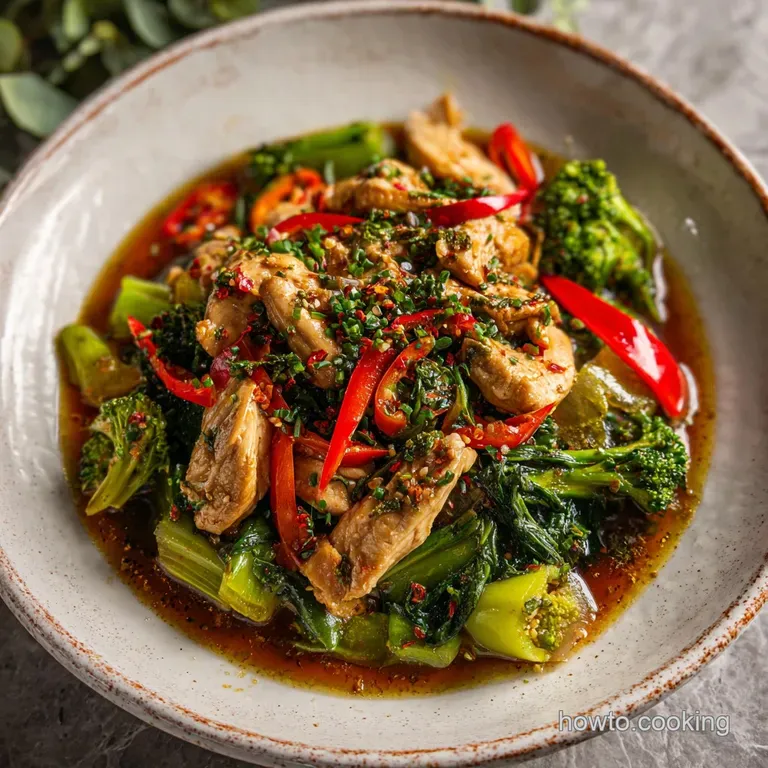
If you want to stretch your budget even further, you can easily turn this into a vegetable heavy dish. I often double the bell peppers and add sliced celery or snap peas. The sauce is so flavorful that it carries the extra bulk without needing more expensive meat. If you’re looking for a different kind of comfort, this sauce profile actually works quite well as a base for a spicy twist on my Creamy Chicken Lasagna recipe, though that’s definitely a fusion experiment for a brave weekend!
Swapping for Szechuan Shrimp
Shrimp cooks much faster than chicken, so you'll want to reduce the initial sear time to about 1 minute per side. You don't need the baking soda for shrimp, but the cornstarch coating still helps the sauce adhere to the smooth shells.
Adjusting for Vegan Szechuan Tofu
Use extra firm tofu that has been pressed for at least 20 minutes to remove excess water. Tear the tofu into bite sized chunks rather than dicing them; the craggy edges catch the sauce better. Increase the cornstarch in the marinade to get a crispier exterior when frying.
Scaling This Recipe Up or Down
When you're cooking for one, halving the recipe is straightforward. Use a smaller skillet so the sauce doesn't evaporate too quickly. Since you can't easily use half an egg (though this recipe doesn't use one), scaling the liquids is the main concern.
Reduce the cooking time by about 20% because a smaller volume of food heats up faster.
If you're doubling this for a crowd, do not double the chicken in the pan at once. Work in two or three batches to ensure the meat sears properly. For the spices, I recommend only increasing the Szechuan peppercorns and dried chiles to 1.5x the original amount first.
You can always add more heat later, but a double dose of Szechuan pepper can be overwhelmingly numbing for some guests.
Searing Meat Seals Juices
This is one of the most persistent myths in the kitchen. Searing actually causes the meat to lose moisture because the high heat squeezes the muscle fibers. What searing actually does is create the Maillard reaction, which develops those savory, complex flavors.
The "juiciness" in this recipe actually comes from the velveting process, not the sear itself.
Szechuan Peppercorns Are Peppercorns
Despite the name, Szechuan peppercorns are not related to black or chili peppers. They are actually the dried husks of a fruit from the prickly ash tree. This is why they have a floral, citrusy aroma and a numbing effect rather than a burning heat.
Substituting black pepper will give you a completely different flavor profile that lacks the signature "tingle."
Storing and Reheating Your Meal
Szechuan chicken stays fresh in the fridge for up to 3 days in an airtight container. In fact, the flavors often deepen overnight as the ginger and garlic infuse further into the sauce. However, the peanuts will lose their crunch.
If you're meal prepping, I suggest keeping the peanuts in a separate small bag and adding them right before you eat.
To reheat, avoid the microwave if possible, as it can make the chicken rubbery. Instead, toss the leftovers into a hot pan with a splash of water or chicken broth. Stir for 2 to 3 minutes until the sauce loosens up and the chicken is warmed through. This preserves the silky texture of the meat.
I don't recommend freezing this dish, as the bell peppers become quite mushy once thawed, and the cornstarch based sauce can sometimes separate and look broken.
For a zero waste approach, save the white parts of the green onions and the ginger scraps. You can toss them into a freezer bag to make a quick aromatic broth later. Those dried chiles are also reusable - if you don't eat them, you can rinse, dry, and grind them into a coarse chili flake for other dishes.
Perfect Pairings for This Dish
Steamed jasmine rice is the classic choice here because it acts as a neutral canvas for the intense sauce. If you want something a bit heartier, a side of simple garlic bok choy or sautéed spinach provides a fresh, green contrast to the heavy spice.
If you're feeling ambitious, this chicken is a phenomenal accompaniment to the noodles found in my How to Make recipe. The combination of the spicy chicken and the savory, chewy chow mein noodles creates a full blown feast that rivals any high end restaurant. Just make sure to have plenty of cold water or a crisp lager on hand to help manage that beautiful Szechuan tingle!
Very High in Sodium
1185 mg mg of sodium per serving (52% of daily value)
The American Heart Association recommends limiting sodium intake to no more than 2,300mg per day for most adults. Ideally, aim for 1,500mg per day for greater heart health benefits.
Tips to Reduce Sodium in this Recipe
-
Reduce Soy Sauce-20%
Soy sauce is a major sodium contributor. Reduce the soy sauce amount by half, using only 2 tablespoons instead of 4. Taste and adjust other flavors accordingly.
-
Lower Chili Garlic Sauce-15%
Chili garlic sauce can be high in sodium. Halve the amount used, and consider adding a pinch of red pepper flakes for heat instead to maintain the spice level.
-
Low Sodium Soy Sauce-15%
Opt for a reduced sodium soy sauce. These versions typically contain 25-50% less sodium than regular soy sauce. This will significantly reduce the total sodium content.
-
Skip the Salt-10%
Consider that there is likely salt added in the Chili Garlic Sauce, Soy Sauce, and even the peanuts. Taste your dish before adding any salt, and adjust accordingly.
-
Unsalted Peanuts-10%
Make sure you buy unsalted peanuts. Check the label on the peanuts to ensure they have not been salted.
-
Boost Flavor with Herbs
Enhance the flavor profile using fresh herbs like cilantro or basil. Fresh ginger and garlic can also add depth without adding sodium.
Recipe FAQs
What's the difference between General Tso's and Szechuan Chicken?
General Tso's is sweeter and tangier. Szechuan Chicken focuses on the numbing heat ("málà") from Szechuan peppercorns, whereas General Tso's typically uses dried chiles for heat but is dominated by a sweeter, thicker sauce.
What is a Szechuan Chicken?
It is a vibrant, spicy Chinese stir fry. This dish highlights the signature flavor profile of the Szechuan province, characterized by the combination of intense heat from dried chilies and the unique, mouth numbing sensation ("málà") from Szechuan peppercorns.
What is the difference between kung pao and Szechuan Chicken?
Kung Pao has a stronger sweet and-sour balance. While both use chilies and Szechuan peppercorns, Kung Pao Chicken often features diced vegetables, peanuts, and a more pronounced sweet and-sour, vinegary sauce profile.
What is Szechuan Chicken vs Hunan chicken?
Hunan chicken focuses purely on aggressive heat, lacking the numbing tingle. Hunan cuisine generally provides a more straightforward, fiery spice level, while Szechuan Chicken requires the specific aromatic, numbing effect of the peppercorn.
Is it true that searing meat seals in the juices?
No, this is a common misconception. Searing actually causes muscle fibers to contract and lose moisture; the tenderness in this Szechuan Chicken comes entirely from the alkaline velveting process, which protects the meat proteins before they hit the heat.
Are Szechuan peppercorns actual peppercorns?
No, they are botanically unrelated to black pepper. Szechuan peppercorns are the dried husks of the prickly ash tree fruit, and they are responsible for the signature citrusy aroma and the "málà" tingling sensation, not just simple heat.
How to store leftovers for best texture?
Reheat quickly on the stovetop with a splash of broth. Avoid the microwave if possible, as it tends to dry out the meat, making it rubbery. If you find yourself making many stir fries, mastering the quick sear technique here is transferable to our Classic Roast Duck recipe for perfect temperature control.
Szechuan Chicken Stir Fry
Ingredients:
Instructions:
Nutrition Facts:
| Calories | 523 kcal |
|---|---|
| Protein | 58.4 g |
| Fat | 22.9 g |
| Carbs | 16.5 g |
| Fiber | 2.4 g |
| Sugar | 5.2 g |
| Sodium | 1185 mg |
