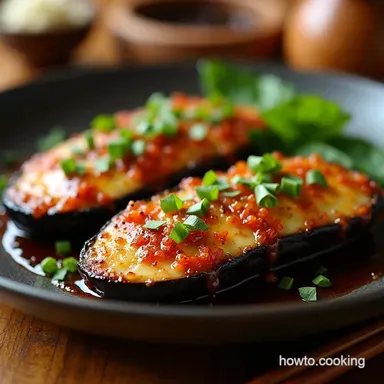
Umami Bomb Broiled Miso Glazed Eggplant Nasu Dengaku Inspired
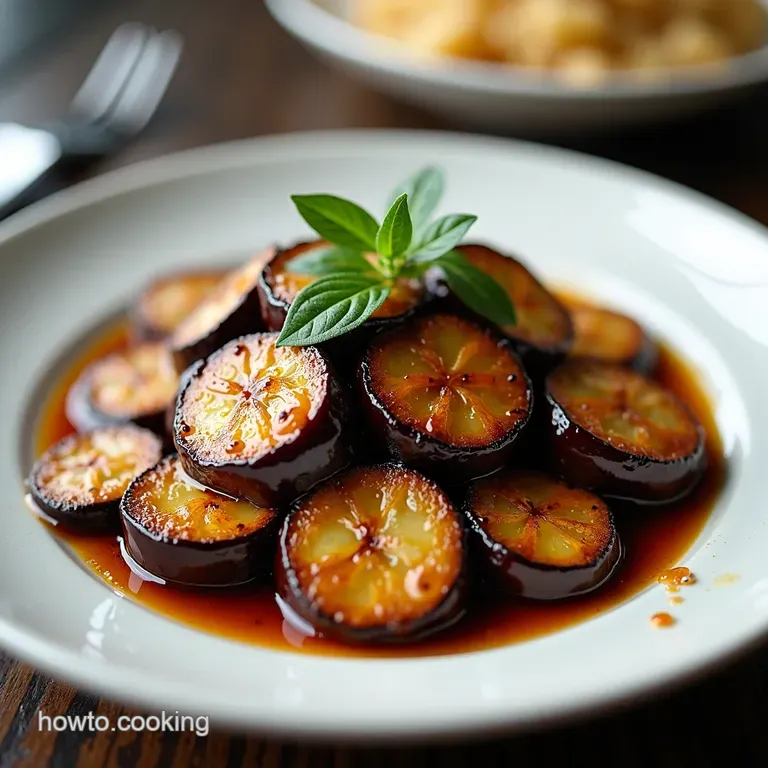
- Unlock the Secrets to Velvety Miso Glazed Eggplant Perfection
- Why This Nasu Dengaku-Inspired Dish Tops the Charts
- Assembling Your Miso Glazed Eggplant Arsenal
- Sourcing the Best Ingredients for Depth of Flavor
- The Process: From Raw Vegetable to Broiled Masterpiece
- Elevating Your Experience: Variations and Storage Wisdom
- Frequently Asked Questions
- 📝 Recipe Card
Unlock the Secrets to Velvety Miso Glazed Eggplant Perfection
Transforming the humble eggplant into a true culinary star is surprisingly easy, especially when you harness the power of Japanese flavour profiles. This "Umami Bomb" Broiled Miso Glazed Eggplant, inspired by the classic Nasu Dengaku , takes simple ingredients and elevates them through precise technique.
We’re aiming for a texture that truly melts in your mouth, coated in a deeply satisfying salty-sweet caramelised crust. Forget any preconceptions about bitter or watery eggplant; this recipe is designed for pure, unadulterated flavour payoff, proving why this specific preparation belongs high on the list of must-try Eggplant Dinner Recipes .
Why This Nasu Dengaku-Inspired Dish Tops the Charts
The allure of this preparation goes far beyond just aesthetics. It hits several key pleasure points on the palate simultaneously, making it incredibly moreish. While many turn to Miso Glazed Eggplant Oven techniques for hands-off cooking, we leverage the intense heat of the broiler for a quick, traditional finish that creates unparalleled surface texture.
It’s a testament to how minimal active cooking time can yield spectacular results.
The Magic of Umami: A Salty-Sweet Revelation
The foundation of this dish's addictive quality lies in its glaze. White miso paste (Shiro Miso) provides a rich, savoury depth, pure umami, which is perfectly counterbalanced by the subtle sweetness of mirin and granulated sugar. This salty-sweet synergy is what keeps you reaching for another slice.
For those exploring similar flavour profiles, considering how this glaze might work with tofu, making a delicious Miso Tofu Eggplant variation, is a fantastic next step.
Achieving That Signature Melt-In-Your-Mouth Texture
Eggplant’s greatest weakness is its spongy nature, which can lead to an oily final product if not handled correctly. The key to that coveted tender interior lies in the preliminary steps: drawing out the moisture first.
By salting the slices and allowing them to "sweat," we pre-load the cell structure to resist soaking up unnecessary oil during any necessary pre-cooking stage, ensuring a velvety mouthfeel beneath that crisp glaze.
Perfect For Weeknights or Impressing Dinner Guests
Despite its complex flavour profile, this Miso Glazed Eggplant Recipe boasts an impressive active time of just about 30 minutes total. This efficiency makes it a brilliant choice when time is short, yet you crave something elevated beyond standard weeknight fare.
On top of that,, its vibrant presentation ensures that even if you’re just making a side dish, it commands attention on the table, much like the celebrated versions found in renowned culinary resources like Miso Glazed Eggplant Just One Cookbook or Miso Glazed Eggplant Serious Eats .
Assembling Your Miso Glazed Eggplant Arsenal
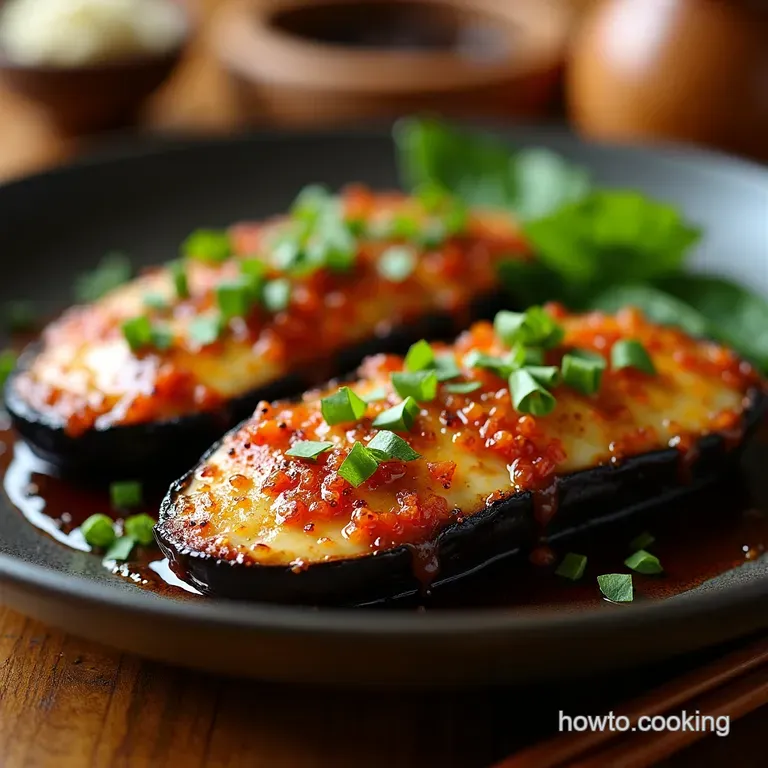
To ensure success in producing this signature dish, preparation, both ingredient selection and equipment readiness, is paramount. This isn't a dish that tolerates rushed steps, especially concerning the eggplant's texture preparation.
Related Recipes Worth Trying
- Smoky Kashke Bademjan Easy Persian Eggplant Dip Recipe — Want authentic Kashke Bademjan Persian Eggplant Dip This smoky eggplant dip with kashk mint is easier than you think Get my foolproof recipe now
- Khoresh Bademjan A Taste of Persia Easy Eggplant Stew — Discover Khoresh Bademjan Persian Eggplant Stew a flavorful Persian eggplant stew thats easier than you think This lamb and saffron stew is a musttry Get...
- Sweet Roasted Carrots My HoneyGlazed Thyme Recipe — Level up your carrots My honeyglazed sweet roasted carrots with thyme are simple delicious and perfect for any meal Get the easy recipe now
Sourcing the Best Ingredients for Depth of Flavor
The quality of your core ingredients directly translates to the depth achieved in the final glaze. Since the recipe relies on only a few strong flavours, each one needs to pull its weight.
The Core Components: Eggplant and Key Glaze Elements
You’ll need two medium globe eggplants, ensuring they feel firm and possess glossy, unblemished skin, a sign of freshness. For the glaze, the star is White Miso Paste (Shiro Miso) ; avoid red miso here, as its robust, earthy character will overwhelm the delicate sweetness required for this specific application.
You will also require Mirin (sweet rice wine) for gloss and sweetness, a splash of Sake to deepen the underlying flavour base, a small amount of granulated sugar to balance the salt, and a touch of low-sodium soy sauce for dark, savoury notes.
Crafting the Unforgettable Miso Marinade Mixture
The glaze itself is quick to assemble. Combine the miso, mirin, sake, sugar, and soy sauce in a small bowl. Whisk diligently until the mixture is completely homogenous, ensuring no gritty lumps of miso remain.
The final addition, a half teaspoon of toasted sesame oil, should be incorporated right at the end, as its powerful aroma is best preserved when not exposed to excessive heat during the initial mixing process.
Essential Equipment for Flawless Preparation
While this recipe skips intensive frying or steaming, you do need a reliable baking sheet lined with parchment paper or a silicone mat. A small whisk or spatula is necessary for smoothing the glaze, and a pastry brush is highly recommended for applying an even, consistent layer over the eggplant planks, which guarantees uniform caramelization.
If you decide to test out the Miso Glazed Eggplant Air Fryer variation, you’ll need a suitable basket liner, though we focus here on the broiling method.
The Process: From Raw Vegetable to Broiled Masterpiece
The journey from raw eggplant to glazed delicacy is streamlined into clear, actionable stages designed to maximize texture and flavour absorption.
Prepping the Eggplant for Maximum Flavor Absorption
Begin by slicing your eggplants lengthwise into uniform planks, about half an inch thick. This uniformity is important for even cooking. Generously sprinkle these slices with coarse salt and let them rest for 15 minutes.
This process, known as 'sweating,' draws out moisture and any latent bitterness. Once rested, thoroughly blot every slice dry with paper towels. This step is crucial; damp eggplant will steam rather than brown, leading to a lacklustre texture.
Building the Rich Miso Glaze Layer
Following the drying process, a brief pre-cooking step ensures tenderness. Lightly brush the slices with neutral oil and either sear them briefly in a hot skillet or roast them at 400° F ( 200° C) for about eight minutes until they begin to soften.
While this happens, finish preparing your glaze mixture. Once the eggplant is slightly tenderized, use your pastry brush to apply a generous, even coating of the prepared miso mixture onto the top surface of each piece.
The Critical Broiling Phase: Watch It Closely!
This is where magic happens, but also where disaster lurks. Position your baking sheet about six inches away from the preheated broiler element. Broil for approximately three to five minutes. The goal is for the glaze to bubble vigorously, deepen in colour to a rich mahogany, and begin to caramelize.
Because miso contains natural sugars, burning happens quickly; constant vigilance is required during this phase. If you were attempting a version suited for Miso Glazed Eggplant Grilled over an open flame, the same cautionary principle of swift cooking would apply.
Final Touches and Garnishing Your Miso Glazed Eggplant
After the initial broil, carefully remove the tray. For an even more intense crust, which many seek in recipes like the one detailed by Miso Glazed Eggplant Oven enthusiasts, apply a second, thinner layer of glaze and return it under the broiler for just one or two more minutes.
Once the glaze is perfectly lacquered, transfer the Miso Glazed Eggplant to a serving platter. Finish with a sprinkle of toasted sesame seeds and finely sliced green scallions for a fresh, aromatic contrast.
Elevating Your Experience: Variations and Storage Wisdom
Even the best recipes can benefit from fine-tuning based on personal preference or unexpected kitchen challenges.
Troubleshooting Common Eggplant Cooking Issues
The primary concern is achieving tenderness without sogginess. If your eggplant seems too firm after broiling, it means it needed more pre-cooking time. Next time, increase that initial roasting time by a few minutes.
If the glaze burns too fast, your broiler is too aggressive; move the rack further away from the heat source. Remember that avoiding bitterness hinges entirely on thorough salting and drying in the beginning stages.
Creative Twists: Spice Levels and Alternative Sugars
To introduce a little heat, whisk in about half a teaspoon of togarashi (Japanese seven-spice blend) directly into your miso marinade. For those monitoring refined sugar intake, the granulated sugar can often be substituted with an equal amount of maple syrup or agave nectar, though this may slightly alter the final caramelization point due to the difference in sugar composition.
Storing Leftovers and Reheating for Best Results
Leftover Miso Glazed Eggplant keeps well in an airtight container in the refrigerator for up to three days. Reheating is best done under the broiler again for 1- 2 minutes or in a toaster oven to re-crisp that beautiful glaze.
Microwaving is discouraged as it tends to soften the eggplant texture prematurely, detracting from the intended melt-in-your-mouth sensation. Serve any leftovers alongside steamed rice for a satisfying reheat meal.
Frequently Asked Questions
Why does my Miso Glazed Eggplant always turn out watery or soggy, despite trying hard?
That’s the eternal eggplant struggle! The key is drawing out the moisture before cooking; you must salt and ‘sweat’ the slices for about 15 minutes, as outlined in the recipe.
After sweating, blot those slices absolutely bone dry with paper towels, this prevents the eggplant from acting like a sponge and soaking up too much oil or becoming mushy under the heat.
Can I make this Miso Glazed Eggplant ahead of time, or should it be served fresh from the broiler?
For the best texture, it really shines when served immediately after broiling, as that glaze is perfectly caramelized. However, you can certainly make the glaze mixture a day ahead and store it in the fridge, just give it a quick whisk before using.
The pre-cooked eggplant slices can also be prepped and cooled, but re-broiling them might dull the fresh glaze, so aim to glaze and cook just before serving.
I don't have white (Shiro) miso; can I use the dark red miso paste I found in the back of the fridge?
Hold your horses there! While you technically can, red miso is much saltier and more robust, which can easily overpower the delicate sweetness required for this specific glaze. If red miso is all you have, use about half the amount suggested in the recipe and skip adding any extra soy sauce until you taste it first.
White miso keeps the flavour balance spot on!
What’s the secret to getting that lovely charred top without burning the eggplant to a crisp underneath?
The secret weapon here is pre-cooking the eggplant slightly, either by a quick sear or roasting, before applying the glaze. This ensures the inside is tender when the outside caramelizes.
When you move it under the broiler for the final step, keep the heat high but the time short, think 3 to 5 minutes, watching like a hawk, as that sugary glaze burns quicker than you can say "Fancy a cuppa?"
Is this dish suitable for vegetarians, and are there any good substitutions if I want a spicier version?
Absolutely, this is a fantastic vegetarian dish as is, just ensure you're using Tamari instead of soy sauce if you need it to be strictly gluten-free. To jazz things up, simply whisk in some togarashi (Japanese seven-spice) or a pinch of standard cayenne pepper into your glaze mixture.
That'll give it a proper bit of warmth to cut through the richness.
Broiled Miso Glazed Eggplant Tender Caramelized