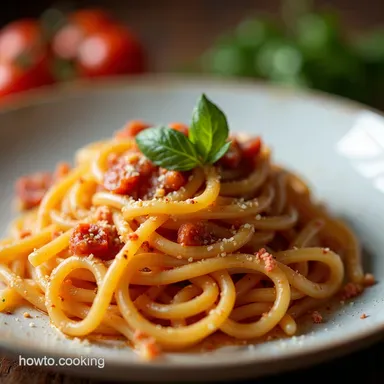
Velvety Pasta E Piselli the Quick Italian Comfort Classic
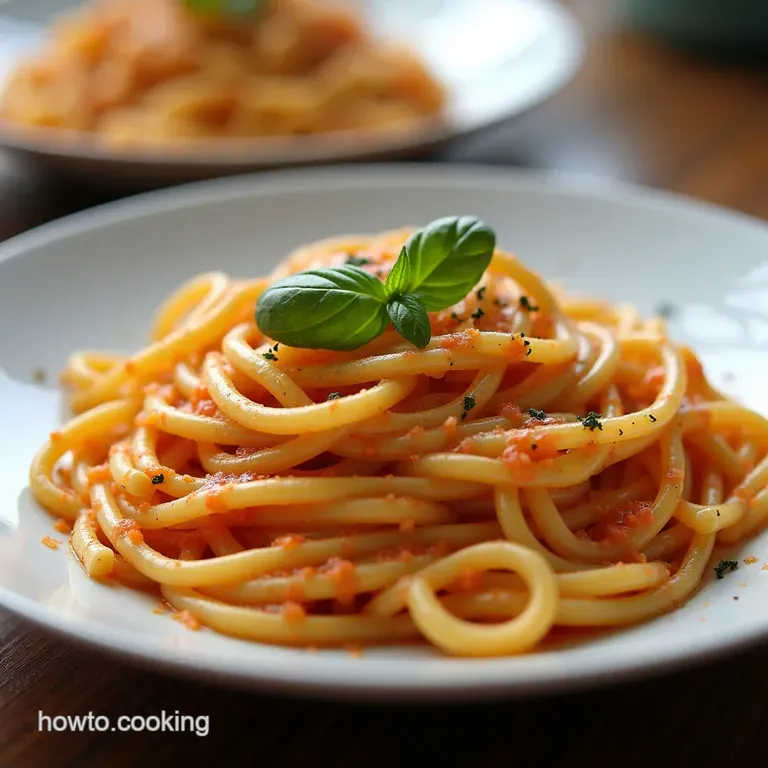
- Unlocking the Magic of Starch: Why This Pasta e Piselli Shines
- The Rustic Soul of Italian Home Cooking
- Curating the Core Components for Authentic Flavor
- The Two-Stage Cooking Method for Maximum Flavor Infusion
- Achieving the Signature Velvety Finish
- Elevating Your Classic Pasta e Piselli Experience
- Storage and Reheating for Leftovers
- Frequently Asked Questions
- 📝 Recipe Card
Unlocking the Magic of Starch: Why This Pasta e Piselli Shines
When we talk about classic Italian cooking, we often picture elaborate sauces or long-simmered ragùs. However, the true heart of Italian cuisine lies in its ability to transform humble, everyday ingredients into something spectacular.
Enter Pasta e Piselli , the quintessential Italian pasta and peas dish that proves simplicity reigns supreme. This recipe is not merely about boiling pasta and tossing in some frozen vegetables; it’s a masterclass in using starch, the natural output of the pasta itself, to create an impossibly rich, velvety sauce.
The goal here is to achieve a texture that clings lovingly to every piece of pasta, which is why we focus intently on technique and the right choice of pasta shape.
The Rustic Soul of Italian Home Cooking
The Pasta e Piselli origin story is deeply rooted in resourceful, cucina povera (poor kitchen) traditions, typically hailing from the regions of Lazio or Campania.
It was a dish born from necessity, utilizing pantry staples like dried pasta and whatever seasonal or preserved vegetables were on hand. Our contemporary Pasta e Piselli recipe honors this tradition while elevating the flavour profile for the modern palate.
More Than Just Peas and Pasta: A Culinary Hug
This isn't a dry pasta salad or a thin soup; it occupies a beautiful middle ground, often referred to as being "all'onda" (wavy). It’s the kind of meal that requires you to slow down, even if you are cooking it on a Tuesday night.
When you finally sit down to enjoy this Pasta with Peas , the combination of sweet peas, aromatic soffritto, and rich broth feels instantly comforting.
The Secret to Creaminess Without Heavy Dairy
Many assume that achieving a Creamy Pasta e Piselli requires a generous addition of heavy cream or mascarpone. I am here to tell you that a truly authentic and lighter version achieves this luxurious mouthfeel using only the power of emulsified starch.
As the small pasta releases starch into the simmering liquid, and we encourage this release through patient stirring, we create a natural thickener that coats the other ingredients perfectly.
Why We Love This Weeknight Wonder
Despite its sophisticated texture, this Pasta e Piselli soup is surprisingly quick. With only about 40 minutes from start to finish, and utilizing pantry staples, it easily slides into the rotation for busy weeknights.
The flavour development begins almost immediately with the base, setting you up for success even on the quickest timeline. This simple dish proves that deep flavour doesn't demand hours of dedication.
Curating the Core Components for Authentic Flavor
Success in any regional Italian recipe hinges on using the best foundational ingredients. For this Italian pasta and peas dish, treating the oil, aromatics, and pasta shape with respect is non-negotiable. We start by building a robust flavour base before the main liquid even enters the pot.
Selecting Superior Peas: Fresh vs. Frozen Considerations
While garden-fresh English peas in spring are unbeatable, high-quality frozen sweet peas are an excellent year-round substitute for this Pasta e Piselli recipe . Crucially, do not thaw them first!
Adding them directly from the freezer allows them to release their flavour slowly into the cooking broth while simultaneously cooling the liquid slightly, preventing the initial pasta boil from becoming too aggressive.
If using canned peas, they should only be added in the last minute, as they are already cooked and prone to turning mushy.
The Allium Foundation: Building Depth with Soffritto
Every great Italian sauce starts with a soffritto —a gentle sautéing of finely diced onion and garlic in high-quality olive oil. For an extra layer of savoury complexity, I highly recommend rendering a small amount of diced pancetta or prosciutto first.
You remove the crisp meat bits for garnish later, but the fragrant fat left behind imbues the oil with a beautiful, subtle smokiness that elevates the entire dish.
Which Small Pasta Shapes Absorb the Best Liquid?
The choice of pasta is perhaps the most vital technical decision. We are aiming for maximum starch release, which means small, broken, or short pasta shapes are ideal for achieving that signature texture in your Ditalini Pasta With Peas .
Shapes like ditalini (tiny tubes), risoni , or even broken spaghetti work wonderfully because their high surface-area-to-volume ratio means they release starch rapidly into the cooking liquid, contributing directly to the final creaminess.
Aromatics and Seasoning: The Finishing Touches
While salt and pepper are foundational, fresh herbs bring necessary brightness. Three sprigs of fresh thyme, added early in the simmer, impart an earthy warmth that pairs beautifully with the sweetness of the peas.
For the finishing flourish, a small amount of fresh lemon zest added right at the end cuts through the richness of the starch and cheese, ensuring the dish feels vibrant, not heavy.
Related Recipes Worth Trying
- Creamy OnePot Pasta and Peas with Lemon Parmesan — Need a midweek lifesaver This simple Pasta With Peas Recipe cooks in one pot absorbing the broth for a naturally creamy texture Ready in 30 mins
- The HalfHour Hero Quick Pasta and Peas with Mint — Transform humble ingredients into a vibrant Pasta and Peas Dinner in under 30 minutes This easy pasta and peas recipe uses lemon and mint for an elegant...
- Creamy Beef Mince Tomato Pasta Bake Recipe — Make the ultimate comforting Creamy Beef Mince and Tomato Pasta Bake This easy cheesy classic uses a silky béchamel for an incredible texture upgrade See...
The Two-Stage Cooking Method for Maximum Flavor Infusion
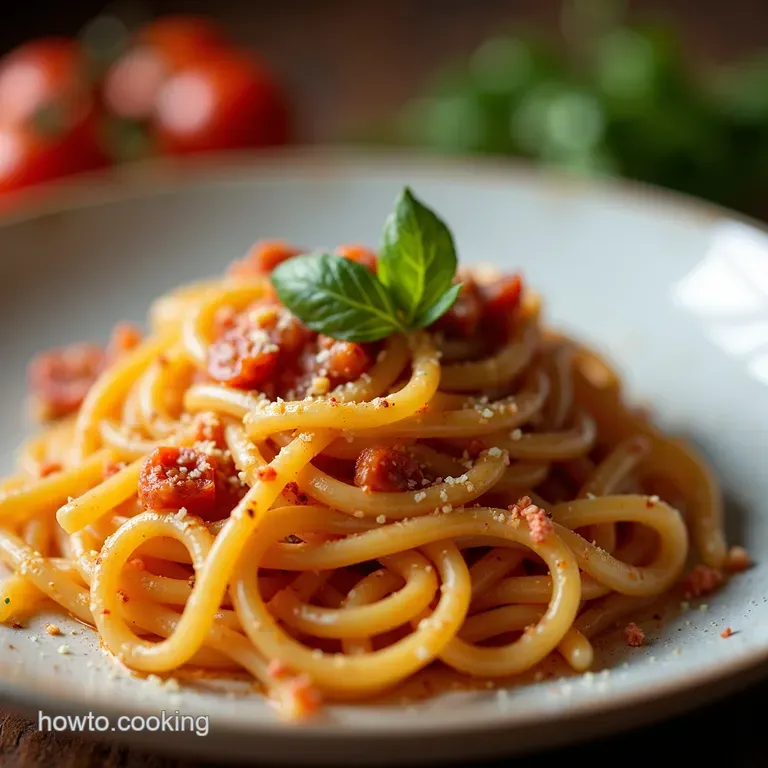
The method for cooking Pasta e Piselli Italian style diverges from standard pasta cooking. We are not cooking the pasta separately; we are cooking it in the sauce base, allowing it to absorb flavour and, critically, release starch.
Achieving the Signature Velvety Finish
The entire process hinges on controlled simmering and strategic additions. We aim for the pasta to finish cooking simultaneously with the sauce reaching its ideal consistency, thick, glossy, and clinging.
Building the Broth Base Before Adding Pasta
Once the onions are soft and the optional pancetta is crisp, you must toast the dry pasta directly in the pot for a minute or two. This crucial step, known as tostatura , adds a subtle nutty depth. Only then do you introduce the broth (about five cups) and the thyme sprigs.
Bring this mixture to a gentle, steady simmer, not a rolling boil.
The Crucial Stirring Technique for Starch Release
This is where patience and vigilance pay off. As the pasta begins to cook, you must stir frequently, every minute or so. This mechanical action gently scrapes the starches off the pasta exterior and incorporates them evenly into the surrounding liquid.
Resist the urge to walk away; this frequent agitation is what turns simple broth into a creamy sauce. Keep a little extra hot broth nearby in case the mixture reduces too quickly before the pasta is cooked.
When and How to Introduce the Peas
Frozen peas should be added when the pasta is about 5 minutes away from being perfectly al dente . They need just enough time to heat through and integrate their slight sweetness into the developing sauce without turning them mushy.
Continue stirring until the pasta is tender but still retains a slight resistance to the bite.
Resting the Pasta e Piselli for Optimal Texture
Once the pasta is cooked to your liking, remove the pot from the heat completely. Pull out the thyme sprigs. This rest period allows the residual heat to finish cooking the pasta perfectly and gives the starch one final chance to bind the liquid into a cohesive, cohesive sauce.
Elevating Your Classic Pasta e Piselli Experience
The final step transforms this humble meal into something truly restaurant-worthy. This technique is called mantecatura , the process of vigorously emulsifying fat into a starchy sauce off the heat. Stir in the cold cubes of unsalted butter using a vigorous circular motion.
The cold temperature helps the butter molecules bind with the hot starch and liquid, creating a stable, glossy emulsion. Immediately after, incorporate the freshly grated Parmigiano-Reggiano. This infusion of cheese, combined with the butter and starch, creates that beautiful, velvety cloak around the pasta.
Storage and Reheating for Leftovers
While best enjoyed immediately, this Pasta e Piselli reheats well. The natural starches will absorb more liquid upon cooling, making the dish very thick, almost risotto-like.
Flavor Twists: Incorporating Pancetta or Prosciutto
If you opted out of pancetta initially for a vegetarian version, now is a wonderful time to add richness. Sauté 3 ounces of diced, thick-cut prosciutto or pancetta until crisp.
Crumble half over the finished dish for texture and flavour, and stir the other half into the simmering broth right before adding the pasta for a deep, salty background note.
The Best Wine Pairings for This Comfort Dish
Because this is a creamy, savoury, yet slightly sweet dish, you need a wine with bright acidity to cut through the starch and richness. Look for Italian whites like a crisp Vermentino, a bone-dry Soave, or even a very light, unoaked Chardonnay if you're outside Italy.
The acidity cleanses the palate, preparing you for the next perfectly coated bite of Pasta e Piselli .
Troubleshooting: Avoiding a Gluey Consistency
The number one pitfall is a sticky, gluey consistency, usually caused by over-stirring aggressive starches (like high-starch durum wheat pasta) over high heat for too long. If your sauce becomes too thick upon resting or reheating, thin it gently with a splash of hot broth or water, stirring until the desired fluid consistency is restored.
Never reheat on high heat; low and slow is the key to rescuing any overly thickened starch.
Frequently Asked Questions
Why is my Pasta e Piselli soupier than I expected, not creamy like the recipe promises?
Ah, that's the age-old kitchen mystery! The creaminess in this dish comes from starch, not cream. Ensure you are using small pasta shapes like Ditalini, and crucially, stir frequently during the simmering process, especially towards the end. This action forces the starch from the pasta into the liquid.
If it’s too thin, keep simmering uncovered for a few extra minutes to encourage evaporation.
Can I make Pasta e Piselli ahead of time, or does it need to be eaten straight away?
Like many pasta dishes relying on starch for texture, this one is best enjoyed immediately. When chilled, the starches firm up, and the sauce can become quite gluey or stodgy, a bit of a shame, really! If you must prep ahead, cook the pasta and peas separately, keeping the broth a bit thinner than usual.
Reheat gently with extra broth and finish vigorously with butter and Parmesan off the heat.
I can't find fresh peas; are frozen ones a suitable substitute for this Pasta e Piselli recipe?
Absolutely, frozen sweet peas are perfectly acceptable, in fact, they are often preferred because they are flash-frozen at peak ripeness. Just toss them in straight from the freezer when the recipe suggests, usually about 5 minutes before the pasta is done.
They cook quickly and retain that lovely sweetness we're after.
How can I make a vegetarian version without losing the flavour depth from the pancetta?
That's a fair shout for vegetarian cooking! To replicate that savoury depth, start by sautéing the onions in high-quality olive oil infused with a pinch of smoked paprika alongside a bay leaf.
Alternatively, adding a teaspoon of white miso paste when you add the broth provides a wonderful umami backbone that mimics cured meat beautifully.
What is the best pasta shape for getting that authentic, velvety texture in Pasta e Piselli?
The magic lies in the small shapes that release the most starch into the cooking liquid. While the recipe suggests ditalini, small broken spaghetti (pastina), or tiny shells work brilliantly too.
Avoid long strands like fettuccine, as they just don't contribute to the sauce texture in the same way, we want that rustic, soupy cling!
Velvety Pasta e Piselli Quick Creamy Italian Pasta with Peas