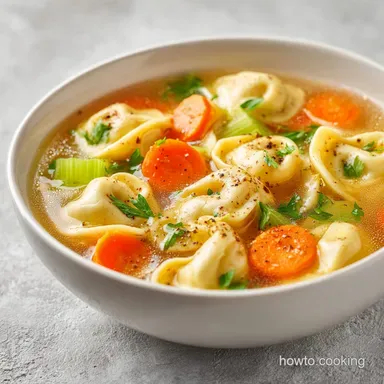
Hearty Chicken Tortellini Soup: Creamy & Savory

- Time:15 minutes active + 35 minutes cooking = Total 50 minutes
- Flavor/Texture Hook: Velvety broth with tender cheese filled pasta
- Perfect for: Weeknight family dinners or a cozy meal prep
- Hearty Chicken Tortellini Soup Recipe
- Why This Recipe Works
- Essential Recipe Specs
- What You'll Need
- Necessary Cooking Gear
- From Prep to Plate
- Avoiding Kitchen Disasters
- Troubleshooting Common Issues
- Tasty Variations and Swaps
- Kitchen Myths Debunked
- Storage and Leftover Tips
- Best Serving Suggestions
- Recipe FAQs
- 📝 Recipe Card
Hearty Chicken Tortellini Soup Recipe
The smell of sautéing onions, carrots, and celery hitting hot olive oil is a sensory trigger that always tells me it's time to slow down. I remember the first time I tried making this for my family. I was so eager to get it on the table that I tossed the tortellini in at the very beginning with the broth.
By the time the chicken was cooked, the pasta had absorbed every drop of liquid and turned into a soggy, mushy mess. It was a disaster, but a tasty one.
That mistake taught me the most important lesson about this dish: timing is everything. You can't treat tortellini like dried pasta that needs a long simmer. It's delicate. Now, I treat the pasta as the final act of the play.
When you get that specific sizzle of the garlic and the aroma of dried oregano filling the kitchen, you know you're on the right track.
We've got a plan here that ensures the chicken stays tender and the broth remains silky. This Chicken Tortellini Soup isn't about fancy techniques, just a smart flow of ingredients.
We're going for a result that feels like a hug in a bowl, with a broth that clings to the pasta and spinach that adds a fresh, bright pop of color.
Why This Recipe Works
I've spent a lot of time wondering why some soups feel "thin" while others feel substantial. For this Chicken Tortellini Soup, it all comes down to a few simple mechanisms that happen in the pot.
Starch Release: As the cheese tortellini cooks directly in the broth, they release a small amount of flour and starch. This naturally thickens the liquid, giving it more body without needing a roux.
Dairy Stability: Using half and half instead of heavy cream or milk provides the right balance of fat. It creates a velvety texture that doesn't separate or curdle when stirred in at the end.
Aromatic Layering: Sautéing the "holy trinity" of vegetables first creates a flavor foundation. This process allows the natural sugars in the carrots and onions to develop, which adds a subtle sweetness to the salty broth.
Controlled Protein Cooking: By cubing the chicken into one inch pieces, we increase the surface area. This means the chicken cooks quickly and stays juicy, rather than boiling for an hour and becoming rubbery.
| Method | Active Time | Texture | Best For |
|---|---|---|---|
| Stovetop | 15 minutes | Velvety & Fresh | Quick weeknight meals |
| Slow Cooker | 10 minutes | Soft & Integrated | Set it and forget it days |
| Instant Pot | 15 minutes | Uniform & Tender | Maximum speed |
Essential Recipe Specs
When you're planning your kitchen flow, it helps to know exactly how the components interact. I like to think of this as a three phase process: the aromatic build, the simmer, and the finish.
First, we focus on the base. This is where the depth comes from. If you rush the sauté, the soup will taste "raw" rather than savory. Second, we let the chicken and broth mingle. This is the heart of the meal. According to USDA FoodData, chicken breast is a lean protein, so the key is to not over boil it, which would strip away the moisture.
Finally, the finish. This is the most critical part of the Chicken Tortellini Soup. We add the pasta, spinach, and dairy in a tight window of about five minutes. This ensures nothing gets overcooked. If you're craving something even more indulgent, you could use a Homemade Heavy Cream hack to make the broth even richer.
What You'll Need
I'm a big believer in using wholesome, simple ingredients. You don't need a gourmet pantry for this. Just a few staples and some refrigerated pasta.
The Flavor Base
- 1 tbsp (14g) olive oil Why this? High smoke point and neutral flavor
- 1 medium (110g) yellow onion, diced Why this? Classic savory sweetness
- 2 medium (120g) carrots, sliced into rounds Why this? Earthy sweetness and color
- 2 stalks (60g) celery, sliced Why this? Essential salty, herbal note
- 3 cloves (9g) garlic, minced Why this? Pungent depth
- 1 tsp (2g) dried oregano Why this? Adds an Italian style herbaceous lift
The Heart and Protein
- 1 lb (450g) boneless, skinless chicken breast, cut into 1 inch cubes Why this? Lean and absorbs broth flavors
- 6 cups (1.4L) low sodium chicken broth Why this? Controls salt levels
- 1 tsp (5g) salt Why this? Basic flavor enhancer
- 1/2 tsp (1g) black pepper Why this? Subtle heat
The Creamy Finish
- 10 oz (280g) refrigerated or frozen cheese tortellini Why this? Quick cooking and cheesy center
- 2 cups (60g) fresh baby spinach Why this? Adds nutrients and color
- 1/2 cup (120ml) half and half Why this? For that velvety mouthfeel
- 1/2 cup (50g) grated Parmesan cheese Why this? Umami kick
| Original Ingredient | Substitute | Why It Works |
|---|---|---|
| Half and Half | Full fat Coconut Milk | Similar fat content. Note: Adds tropical notes |
| Chicken Breast | Rotisserie Chicken | Pre cooked and flavorful. Note: Add at the end |
| Baby Spinach | Kale (chopped) | Heartier green. Note: Add 5 mins earlier |
| Parmesan | Pecorino Romano | Similar salty profile. Note: Slightly tangier |
Right then, before we get to the stove, let's make sure you've got your gear ready. There's nothing worse than realizing you're missing a colander or a whisk while the garlic is already sizzling.
Necessary Cooking Gear
You don't need a kitchen full of gadgets for this Chicken Tortellini Soup. A couple of basics will do the trick.
- Large Dutch Oven or Stock Pot: I prefer a 5-6 quart pot. It gives the broth room to bubble without splashing all over your stove.
- Chef's Knife and Cutting Board: For dicing the mirepoix (that's the fancy word for the onion, carrot, and celery mix).
- Wooden Spoon or Heat Resistant Spatula: Perfect for scraping those brown bits off the bottom of the pot.
- Measuring Cups and Spoons: For precision, though I often eyeball the carrots once I've made this a few times.
Chef's Note: If you have a pot with a heavy bottom, use it. Thin pots tend to create "hot spots" that can scorch the garlic or the half and half.
From Prep to Plate

Let's crack on. The secret to a great Chicken Tortellini Soup is the order of operations. Follow these steps, and you'll avoid the "mushy pasta" tragedy I experienced.
Phase 1: Building the Aromatics
- Heat the olive oil over medium heat in your pot. Add the onion, carrots, and celery. Sauté for 5–7 minutes until the onions are translucent and the carrots have softened slightly. Note: This builds the savory base.
- Stir in the minced garlic and oregano. Cook for 60 seconds until the garlic is fragrant and smells nutty. Note: Don't let the garlic brown or it will turn bitter.
Phase 2: Simmering the Broth
- Add the cubed chicken breast to the pot, stirring to coat it in the aromatics. Sauté for 2-3 minutes until the outside of the chicken is no longer pink.
- Pour in the chicken broth, salt, and pepper. Bring the mixture to a gentle boil, then immediately reduce heat to low.
- Simmer uncovered for 12–15 minutes until the chicken is opaque and cooked through. Note: A gentle simmer keeps the chicken tender.
Phase 3: The Final Fold
- Increase the heat back to medium. Stir in the tortellini and cook according to package directions (usually 3–5 minutes) until the pasta floats to the surface.
- Stir in the baby spinach. Cook for about 1 minute until the leaves are just wilted and bright green.
- Turn off the heat completely. Stir in the half and half and Parmesan cheese until the broth is velvety and integrated. Note: Removing from heat prevents the dairy from curdling.
- Sauté Time
- 5-7 minutes for the vegetables.
- Simmer Temp
- Low heat for the chicken (avoiding a rolling boil).
- Pasta Cue
- The moment the tortellini floats, they are done.
Avoiding Kitchen Disasters
Even the best of us mess up. Whether it's a broth that's too thin or pasta that's overdone, most issues with Chicken Tortellini Soup are easy to fix if you know the root cause.
Troubleshooting Common Issues
| Issue | Solution |
|---|---|
| Why Your Pasta Turned Mushy | This usually happens if you add the pasta too early or leave the soup on high heat after the pasta is done. Tortellini is fresh pasta, meaning it's already partially cooked. It only needs a few minute |
| Why Your Broth Is Too Thin | If the soup feels more like a watery broth than a creamy soup, it's likely because the pasta didn't release enough starch or you didn't let the Parmesan melt in fully. |
| Why Your Soup Curdled | Curdling happens when dairy is added to a boiling liquid. The high heat causes the proteins in the half and half to clump. Always kill the heat before stirring in your cream. |
Common Mistakes Checklist:
- ✓ Did I sauté the vegetables before adding liquid?
- ✓ Is the heat on LOW while the chicken simmers?
- ✓ Did I wait for the tortellini to float before adding spinach?
- ✓ Did I turn OFF the heat before adding the half and half?
- ✓ Did I use low sodium broth to avoid a salt bomb?
Tasty Variations and Swaps
One of the reasons I love this Chicken Tortellini Soup is how flexible it is. Once you have the basic flow down, you can start playing with the flavors.
For a Deeper Flavor Profile
If you want something more intense, try adding a tablespoon of tomato paste when you sauté the garlic. It adds a rich, reddish hue and a concentrated savoriness. You could also throw in a handful of sun dried tomatoes for a tangy, salty punch. If you like this style of cheesy comfort, you might also enjoy my Cheese Ravioli Casserole for a baked alternative.
For a Lighter, Guilt Free Texture
To make a healthy chicken tortellini soup, you can swap the half and half for a splash of lemon juice and a bit of Greek yogurt stirred in at the end. This gives you the acidity and creaminess without the heavy fats. I'd also double the amount of spinach or add some chopped kale to increase the nutrient density.
For a "Set it and Forget it" Meal
If you're using a slow cooker, you can throw the vegetables, broth, and raw chicken in for 4 hours on high. But trust me on this: do NOT put the tortellini or the dairy in the slow cooker. Stir those in during the last 10 minutes on the stovetop or in the pot itself.
Otherwise, you'll end up with a pasta porridge.
For High Pressure Speed
In an Instant Pot, you can cook the chicken and vegetables in about 8-10 minutes under pressure. Then, switch to the sauté function to finish the pasta and dairy. It's a great way to get this Chicken Tortellini Soup on the table even faster.
| Goal | Adjustment | Impact |
|---|---|---|
| Extra Zest | Add 1 tsp lemon zest | Brightens the heavy cream |
| More Hearty | Add diced potatoes | Thicker, more filling |
| Spicy Kick | Add 1/2 tsp red pepper flakes | Subtle warmth in the broth |
Kitchen Myths Debunked
There are a few things people tell you about making soup that just aren't true. Let's clear the air.
Myth: Searing chicken "seals in the juices." This is a classic kitchen lie. Searing creates a brown crust (flavor!) but it doesn't actually stop moisture from leaving the meat.
In this Chicken Tortellini Soup, we sauté the chicken mostly to get a bit of color and flavor, but the low simmer is what actually keeps it tender.
Myth: You must use homemade stock for a good soup. While homemade stock is great, a high-quality low sodium store-bought broth is perfectly fine for this recipe. Since we're adding Parmesan and cream, the final flavor profile is rich enough that you won't miss the homemade version.
Myth: Fresh pasta is always better than frozen. For this specific dish, frozen tortellini often holds its shape better during the final simmer. Both work, but if you're worried about mushiness, frozen is actually a safer bet.
Storage and Leftover Tips
Here is the tricky part about this Chicken Tortellini Soup: pasta is a sponge. If you leave the soup in the fridge with the tortellini inside, the pasta will continue to absorb the broth until you're left with a thick stew and very bloated noodles.
Fridge Storage: Store in an airtight container for 3-4 days. If you're planning on keeping it longer, I actually recommend storing the pasta separately and adding it to the broth when you reheat.
Freezing: I don't typically recommend freezing this soup because of the half and half and the pasta. The dairy can separate, and the pasta often loses its texture. If you must freeze it, stop the recipe before adding the tortellini and cream.
Freeze the chicken and vegetable base, then finish the soup fresh.
- Veggie Scraps
- Save your onion skins and carrot ends in a freezer bag. Once you have a pile, boil them with water to make a free vegetable stock for your next soup.
- Parmesan Rinds
- Don't toss the hard rind of your Parmesan cheese! Drop it into the pot during the simmer phase. It adds a massive amount of umami flavor. Just fish it out before serving.
- Leftover Chicken
- If you have a bit of leftover rotisserie chicken, use it instead of raw breasts to shave 15 minutes off your cook time.
Best Serving Suggestions
A bowl of Chicken Tortellini Soup is great on its own, but a few additions can turn it into a full blown feast.
First, the bread. You need something to soak up that velvety broth. A toasted sourdough slice rubbed with a raw garlic clove is my go to. If you want something more traditional, a warm piece of focaccia or a garlic knot works beautifully.
Second, the garnishes. A sprinkle of fresh parsley or chopped basil right before serving adds a freshness that cuts through the richness of the cheese and cream. I also love a tiny squeeze of fresh lemon juice over the top, it wakes up all the other flavors.
Finally, think about the pairings. This is a heavy, comforting meal, so a light side is best. A crisp green salad with a simple vinaigrette or some roasted asparagus provides a nice contrast to the creamy pasta.
Trust me, the acidity of a side salad makes the richness of the Chicken Tortellini Soup feel balanced rather than overwhelming.
Right then, you've got the plan, the science, and the tricks. Now get in that kitchen and start sautéing!
Recipe FAQs
Can I freeze this chicken tortellini soup?
No, it is not recommended. The half-and-half and pasta typically separate or lose their texture during the freezing and thawing process.
Why did my tortellini turn out mushy?
You likely overcooked the pasta or kept the heat too high. Since tortellini is a fresh pasta, it only needs 3–5 minutes of simmering until it floats.
How to stop the broth from curdling?
Turn off the heat before stirring in the half-and-half. Adding dairy to a boiling liquid is the primary cause of separation.
Is it true I must boil the tortellini in a separate pot first?
No, this is a common misconception. Cooking the pasta directly in the broth allows it to release starch, which naturally thickens the soup.
How to store leftovers without the pasta absorbing all the broth?
Store the cooked pasta and the broth in separate containers. This prevents the tortellini from acting like a sponge and turning the soup into a thick stew.
Why is my broth too thin?
The Parmesan may not have melted fully or the pasta didn't release enough starch. Ensure you stir the cheese in thoroughly until the broth becomes velvety.
What should I serve with chicken tortellini soup?
A crusty bread is the best pairing. This soup pairs perfectly with some garlic pull-apart bread for dipping.
Chicken Tortellini Soup in 50 Minutes