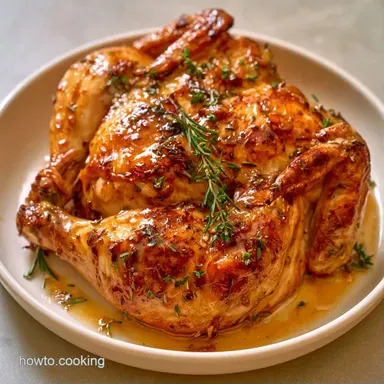
Orange Glazed Christmas Cornish Game Hens
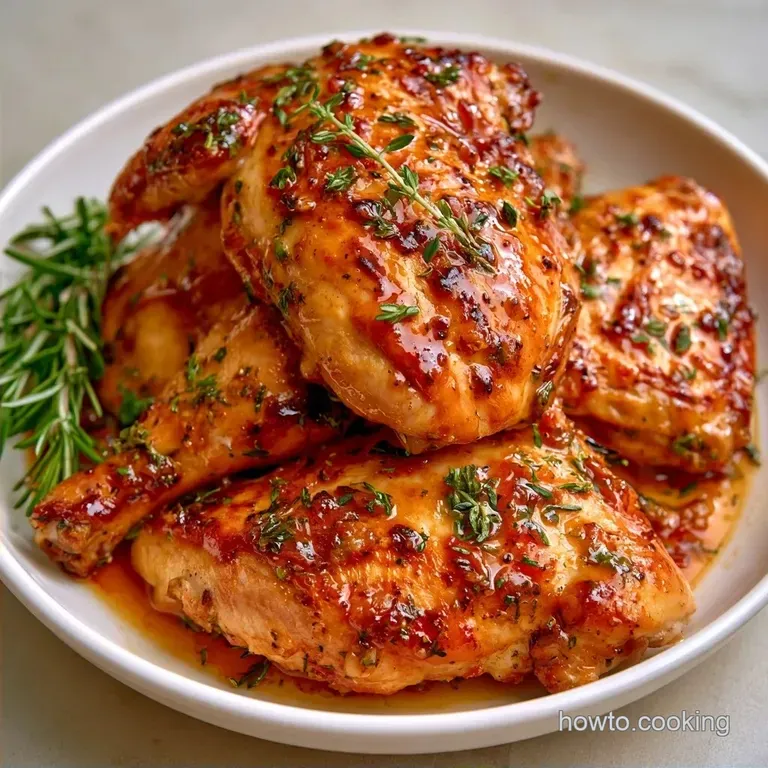
- Time: 15 minutes prep + 40 minutes in the oven
- Key Appeal: A tacky citrus coating paired with crisp, salty skin
- Ideal for: Intimate family get-togethers or a romantic date night
Every December 25th, the aroma of roasting rosemary and orange greets me the moment I step inside. That unique blend of sugary citrus and aromatic herbs is what truly signals the start of the holiday season for me.
I still recall my first attempt. I neglected to pat the skin dry, resulting in birds that were pale and rubbery. Instead of roasting, they basically steamed, which is a major disappointment when you're craving that satisfying crunch.
I've since learned that managing moisture is the secret. These Christmas Cornish Game Hens are consistently golden and juicy thanks to a high temperature roast and a precisely applied glaze.
Christmas Cornish Game Hens Guide
Looking for a way to avoid the stress of a massive turkey? These smaller birds are the answer. You get the same festive vibe but much less timing anxiety.
Dry Skin: Patting the birds with paper towels removes surface moisture. This lets the skin brown quickly in the oven instead of steaming.
Under Skin Butter: Putting the herb butter directly on the meat acts as a barrier. It keeps the breast meat from drying out while the skin crisps up.
High Initial Heat: 425°F triggers fast browning. I find that using easy homemade butter here adds a richer flavor than store-bought sticks.
Essential Recipe Specs
Roasting small poultry is different from a big bird. Because they are small, the window between "done" and "overdone" is tight.
| Method | Temp | Time | Result |
|---|---|---|---|
| Oven | 425°F | 40 mins | Crispy skin, juicy center |
| Stovetop | 325°F | 60+ mins | Braised, softer skin |
For this version, we stick to the oven. It gives you that signature holiday look.
Gathering Your Essentials
This recipe relies on simple, accessible ingredients that you likely already have in your kitchen.
| Ingredient | What It Does | Best Swap |
|---|---|---|
| Unsalted Butter | Infuses herbs and crisps the skin | Ghee (higher smoke point) |
| Honey | Provides a thick, sweet coating | Maple syrup (woodier flavor) |
| Orange Juice | Adds brightness to balance the fat | Apple cider (milder sweetness) |
| Dijon Mustard | Binds the glaze together | Whole grain mustard (extra texture) |
For the Roasted Hens
- 4 (approx. 1.5 lb / 680g each) Cornish game hens
- 1/2 cup (115g) unsalted butter, softened Why this? The high fat content aids in browning the skin.
- 1 tbsp (15g) kosher salt
- 1 tsp (5g) cracked black pepper
- 1 tbsp (6g) fresh thyme leaves, chopped
- 1 tbsp (6g) fresh rosemary, finely minced Why this? Its woody aroma complements the citrus.
- 4 cloves (12g) garlic, minced
For the Orange Glaze
- 1/4 cup (60ml) fresh orange juice
- 2 tbsp (42g) honey Why this? It is thicker than syrup, which helps it cling.
- 1 tbsp (6g) orange zest
- 1 tsp (5g) Dijon mustard
Required Kitchen Tools
I appreciate recipes that minimize the cleanup. This one only requires a few basic tools.
- Roasting pan or a large rimmed baking sheet
- Small mixing bowls (two)
- Meat thermometer (absolutely essential for game hens)
- Pastry brush for the glaze
- Paper towels (you'll use a fair amount)
A professional roasting rack is optional, although it helps if you want the bottom to crisp up too.
From Prep to Plate
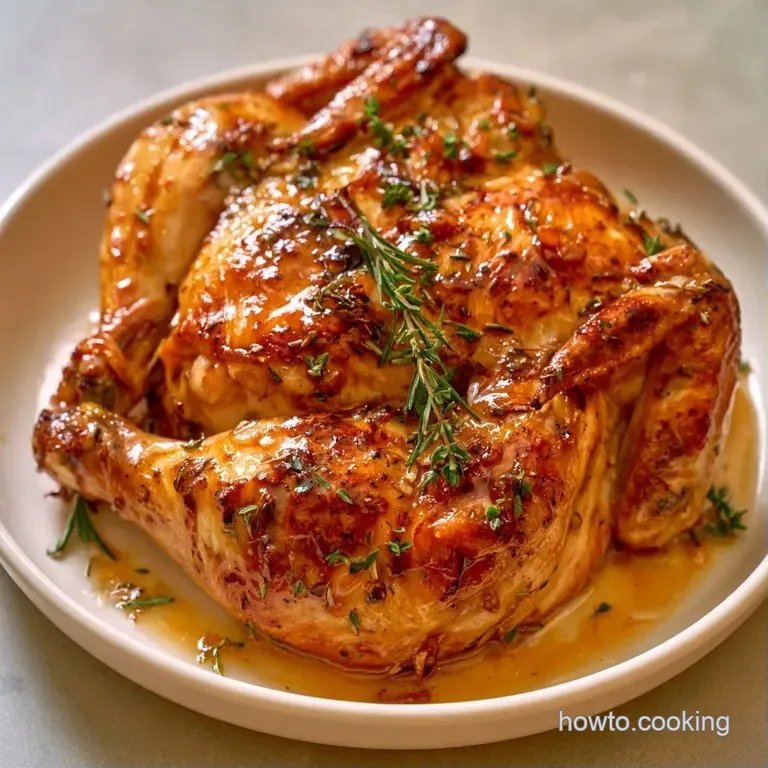
Time to prepare the poultry. We are aiming for a rich mahogany finish and meat that is tender enough to pull away easily.
- Take the hens out of their packaging and pat them thoroughly dry with paper towels. Note: Any remaining moisture will prevent the skin from crisping.
- In a small bowl, mash the softened butter, salt, pepper, thyme, rosemary, and minced garlic together.
- Gently lift the skin over the breasts and thighs with your fingers. Stuff a generous amount of the herb butter directly onto the meat beneath the skin.
- Coat the exterior of the birds with the remaining butter.
- Preheat your oven to 425°F (218°C) and place the hens in a roasting pan.
- Roast for 30–35 minutes until the skin is mahogany and the thigh's internal temperature reaches 155°F (68°C).
- In a small bowl, whisk together the orange juice, honey, orange zest, and Dijon mustard.
- Take the hens from the oven, brush the orange glaze liberally over the legs and breasts, and return them to the heat for 5–10 minutes until the glaze is tacky and bubbling.
- Move the hens to a platter and allow them to rest for 10 minutes before serving.
Fixing Common Issues
Cooking smaller birds can be tricky because they can dry out in a heartbeat. If you've never done this, don't sweat it.
Preventing Burnt Glaze
Honey has a low burn point. If you see the skin darkening too quickly during the final 10 minutes, just tent the birds loosely with aluminum foil. This shields the skin while the interior finishes.
Fixing Dry Meat
Dry breast meat usually happens because the bird stayed in the oven too long. Always pull the birds at 155°F. They will rise to 160-165°F during the resting phase.
Dealing with Pale Skin
If your hens look pale, it's almost always because of moisture. Next time, spend an extra minute patting them dry. You can also try increasing the oven heat by 10 degrees for the last 5 minutes.
| Problem | Root Cause | Solution |
|---|---|---|
| Skin is rubbery | Too much moisture on skin | Pat dry with paper towels |
| Glaze is too thin | Honey didn't reduce | Roast 2-3 mins longer |
| Meat is dry | Overcooked internal temp | Pull birds at 155°F |
| Bottom is soggy | No airflow under bird | Use a roasting rack |
Serving and Enjoying
These birds look great on a platter surrounded by roasted root vegetables. I usually go with carrots and parsnips because they soak up the orange butter drippings from the pan.
For a little extra brightness, a side of orange spice cranberry sauce cuts through the richness of the butter perfectly.
Quick Selection Guide:
- For a classic look: Serve the birds whole on a platter with rosemary sprigs.
- For a modern plate: Quarter the birds and serve with a drizzle of pan juices.
- For a crowd: Roast them in a cast iron skillet for a rustic feel.
Storage and Leftovers
Avoid leaving leftovers at room temperature. Once cooled, transfer them to an airtight container and place them in the refrigerator.
Keep the meat refrigerated for no more than 3 days. For longer storage, the meat freezes well for 2 months. To reheat, use a low oven (325°F) and add a touch of chicken broth to the pan to ensure they stay moist.
Don't throw away the carcasses. Instead, simmer the bones with water, an onion, and a carrot to create a hearty stock. This is an excellent way to reduce waste and provides a perfect base for a soup the following day.
Customizing Your Roast
Once you've mastered the basic Christmas Cornish Game Hens, feel free to experiment with the flavors.
Stuffing Your Christmas Cornish Game Hens
Fill the cavity with a mixture of sautéed celery, onion, and sourdough breadcrumbs. Keep the stuffing loose to ensure the bird cooks evenly, as packing it too tightly will slow the rise of the internal temperature.
Glaze Alternatives
If orange doesn't appeal to you, try a maple bourbon glaze. Maintain the same honey/mustard ratio, but substitute the OJ for maple syrup and a splash of bourbon. For a more savory profile, swap the rosemary and thyme in the butter for my homemade herb blend.
Dairy-free Alternatives
Use melted coconut oil or a high-quality vegan butter stick. The results are quite similar, although coconut oil introduces a tropical note that might conflict with the rosemary.
Decision Shortcuts:
- For more tang: Mix in an extra teaspoon of Dijon to the glaze.
- For a deeper color: Brush on the glaze twice, allowing a 3-minute gap between applications.
- For a smokier flavor: Incorporate smoked paprika into the compound butter.
Believe me, once you swap the massive turkey for these Christmas Cornish Game Hens, you'll likely never go back. It's much simpler, and everyone gets their own bird. Let's get roasting!
Recipe FAQs
Should you bake Cornish hens covered or uncovered?
Bake them uncovered. This allows the skin to develop a mahogany color and crisp up properly at 425°F.
Is there a difference between Cornish hens and Cornish game hens?
No, they are identical. The "game" label is primarily a marketing term for young chickens bred for a specific size.
How to get the skin perfectly crispy?
Pat the birds extremely dry with paper towels before applying the herb butter. Removing surface moisture prevents steaming and ensures a better sear.
Is it true that you must brine these birds for hours to prevent them from drying out?
Actually, no. Placing the compound butter directly under the skin provides ample moisture and flavor for such small birds.
What is the ideal internal temperature for doneness?
Aim for 155°F (68°C) in the thigh. The temperature will rise slightly during the required 10-minute resting period.
Which step ensures the orange glaze becomes tacky?
Return the birds to the oven for 5 10 minutes after brushing on the honey and orange mixture. This final heat blast caramelizes the sugars.
Do these hens require traditional bread stuffing?
Stick to the herb butter. Using the mixture of garlic, rosemary, and thyme under the skin avoids overfilling the small cavity while maximizing flavor.
Why is resting the meat necessary?
Allow the juices to redistribute throughout the bird so the meat stays moist. If you enjoyed mastering the temperature precision here, the same attention to timing is key for our Irish Soda Bread.
Christmas Cornish Game Hens