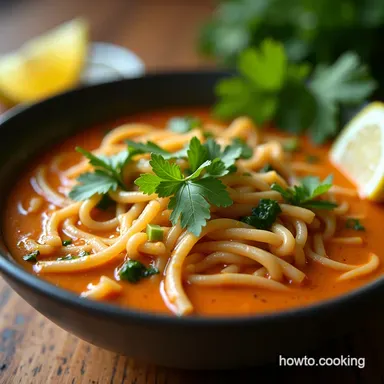
Creamy Coconut Lemongrass Thai Vegetable Noodle Soup
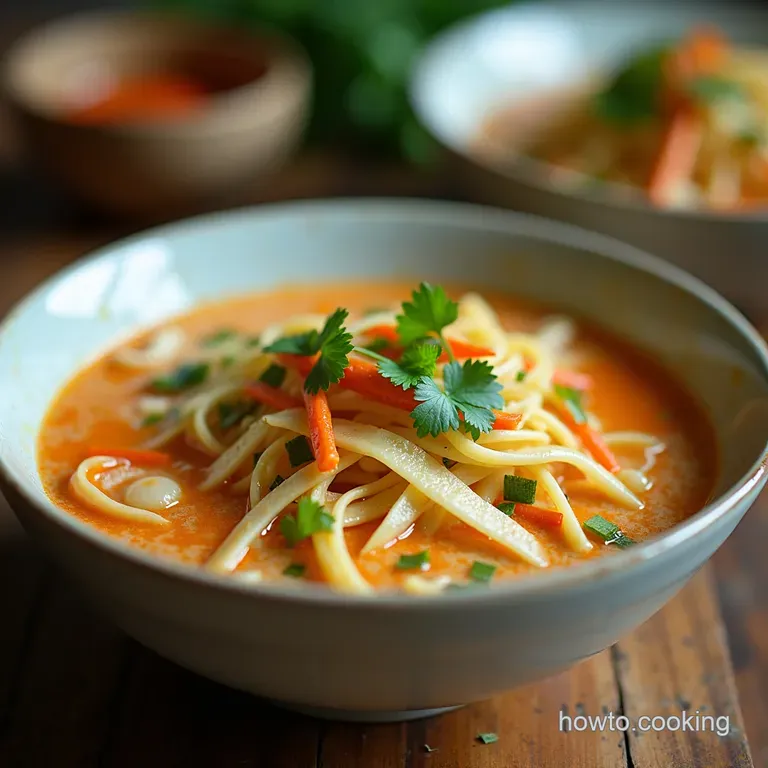
- Why This Thai Vegetable Noodle Soup Deserves Center Stage
- Unlocking the Essential Southeast Asian Flavour Profile
- Gathering the Pillars of Your Thai Vegetable Noodle Soup Creation
- Step-by-Step Mastery: Crafting the Perfect Coconut Base
- Pro Tips for Elevating Your Next Batch
- Storage Solutions and Flavor Fortification
- Frequently Asked Questions
- 📝 Recipe Card
Why This Thai Vegetable Noodle Soup Deserves Center Stage
Welcome to a dish that defines comfort without sacrificing vibrancy: the Creamy Coconut & Lemongrass Thai Vegetable Noodle Soup, or Gaeng Jued Woon Sen Pak as the locals might call it. Forget watery, uninspired broths; this recipe is an aromatic journey designed to wake up your palate.
It captures that ethereal balance intrinsic to authentic Thai cuisine, fresh, fragrant, and deeply satisfying. This isn't merely a side dish; it’s robust enough to anchor your entire dinner, providing warmth and complex flavour in under an hour.
If you’ve been searching for the perfect Thai Vegetable Noodle Soup recipe that marries ease of preparation with spectacular taste, your search ends here.
We’re transforming simple ingredients into a luxuriously textured and intensely flavorful Veggie Noodle Soup .
Unlocking the Essential Southeast Asian Flavour Profile
The secret to truly stellar Thai cooking lies not in complicated techniques, but in honouring the raw materials that build the foundation of the flavour profile. This Thai Vegetable Soup relies heavily on specific aromatic components to deliver that signature Southeast Asian punch, ensuring every spoonful is an experience.
Your Quick Ticket to Aromatic Bliss
The initial step involves building what I call the "flavour engine." This means awakening the essential oils in fresh aromatics. We’re using shallots, garlic, and crucially, lemongrass, galangal, and kaffir lime leaves. These three herbs are the pillars of authentic Thai fragrance.
When gently sautéed in coconut oil, their scent alone will transport you straight to a bustling Bangkok street market. This quick burst of heat releases their essential compounds, ensuring they permeate the entire broth, making this a genuinely flavour-packed Vegetable Noodle Soup .
The Perfect Harmony: Balancing Sour, Sweet, Salty, and Spice
What makes a Vegan Thai Noodle Soup so addictive is the delicate dance between the four core tastes. A truly great Thai dish hits all four notes harmoniously.
In this recipe, the saltiness comes from soy sauce (and vegetarian fish sauce if using), the sweetness from brown sugar balancing the acidity, and the sour note provided by a fresh squeeze of lime juice right at the end.
Mastering this adjustment separates a good soup from a truly magnificent one, ensuring your Thai Veg Noodle Soup has depth, not just surface flavour.
More Than Just Broth: Building Depth for Your Noodle Dish
While the broth is paramount, the texture contrast elevates this dish from mere soup to a complete meal. We incorporate hearty root vegetables like carrots and broccoli alongside earthy shiitake mushrooms.
If you opt for protein, cubes of firm tofu provide a wonderful chew, turning this into a hearty Thai Tofu Noodle Soup . The final addition of slippery rice vermicelli noodles and wilted spinach ensures textural variety in every bite, making this an ideal candidate for those seeking inspiration for Forks Over Knives Thai Soup style meals, especially when focusing on fresh produce.
Gathering the Pillars of Your Thai Vegetable Noodle Soup Creation
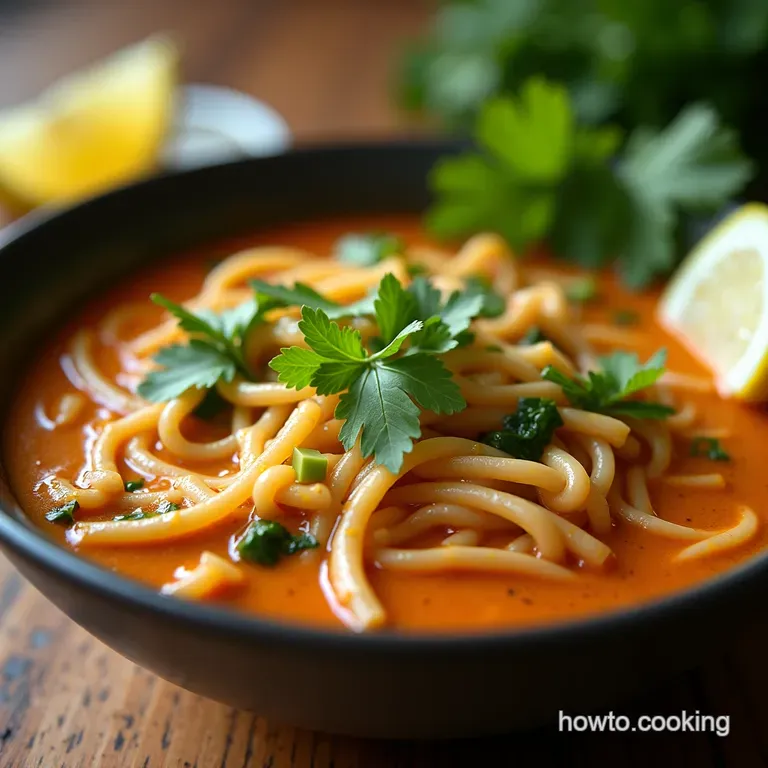
To achieve the best results for this Thai Vegetable Noodle Soup , preparation is key. Having your components ready, a process we call mise en place —will make the cooking phase swift and enjoyable.
We are aiming for a total cooking time of just 25 minutes once the prep work is done.
Selecting Premium Produce and Pantry Staples
For the broth’s richness, you will need one can of full-fat coconut milk; resist the urge to use "light" versions, as the fat content is essential for carrying the flavour profile beautifully.
The core seasoning elements are soy sauce (or tamari for gluten-free needs) and a touch of vegetarian fish sauce or extra soy for that deep umami salinity. We rely on quality low-sodium vegetable broth as our primary liquid base, ensuring we control the saltiness ourselves later on.
The Aromatics Checklist: Lemongrass, Galangal, and Kaffir Lime Leaves
These three ingredients are non-negotiable for an authentic taste. When selecting lemongrass, look for firm, pale stalks. You must trim the woody tops and bottoms and then bruise the stalk, bashing it with the back of a heavy knife or rolling pin, to break the fibers and release their potent oils before they hit the simmering liquid.
Kaffir lime leaves should be vibrant green; tear them gently before adding to help them release their citrusy perfume into the broth.
Noodle Nirvana: Choosing the Right Vermicelli or Glass Noodles
The choice of noodle impacts the final texture dramatically. For this recipe, thin rice vermicelli noodles are ideal; they cook quickly and offer a delicate slurp that complements the creamy broth without overwhelming it.
Alternatively, glass noodles (made from mung bean starch) provide a wonderfully slick, almost translucent texture. Crucially, remember to cook these separately or soak them only just before they are needed, as they continue to absorb liquid long after they are drained.
Essential Tools Required for Maximum Flavor Extraction
You’ll primarily need a large stockpot or Dutch oven to accommodate the volume of liquid and vegetables. A sharp knife is vital for thinly slicing carrots and mushrooms to ensure even cooking.
While optional, a fine-mesh sieve is highly recommended for straining out the large pieces of lemongrass, galangal, and lime leaves after infusion. This step results in a much cleaner, more refined mouthfeel in the final Thai Vegetable Soup .
Related Recipes Worth Trying
- The Ultimate Leftover Turkey Vegetable Soup Recipe — Need a hug in a bowl This easy Turkey Vegetable Soup recipe is packed with root veg tender meat Get the comforting guiltfree taste today
- Easy Turkey Taco Soup Recipe Quick Hearty Comfort Food — Need a quick dinner that tastes like it simmered all day This Hearty Turkey Taco Soup recipe uses lean mince for a healthy flavourpacked hug in a bowl
- Hearty Creamy Parmesan Italian Sausage Soup Recipe — This Creamy Parmesan Italian Sausage Soup is pure comfort foodready in an hour Its a family friendly soup that beats a simple Tomato Soup With Beef any day...
Step-by-step Mastery: Crafting the Perfect Coconut Base
The cooking process is designed to be intuitive, focusing first on flavour infusion, then on vegetable integrity, and finally on perfect seasoning. The entire process flows logically from sautéing to simmering.
Blooming the Curry Paste: Unleashing Deep Flavor Foundations
We begin by heating the coconut oil in our large pot over medium heat. Add your thinly sliced shallots and minced garlic, sautéing them gently until they become fragrant, about three minutes.
It is imperative not to rush this or let the garlic brown, as burnt garlic imparts a bitter note that ruins the subtle sweetness of the coconut base. Next, introduce the bruised lemongrass and torn kaffir lime leaves.
Allowing these aromatics to gently 'bloom' in the warm oil releases their volatile oils, which form the deep flavour foundation of our Thai Vegetable Noodle Soup .
Simmering Strategy: When to Introduce Which Vegetables
Once the aromatics are fragrant, pour in the 6 cups of vegetable broth and bring the mixture to a gentle simmer, adding the kaffir lime leaves. Allow this mixture to infuse for a full 10 minutes.
After this infusion period, you should strain out the solids, unless you prefer a more rustic texture. Return the clear, fragrant broth to the heat. Now, stir in the full-fat coconut milk, soy sauce, vegetarian fish sauce substitute, and brown sugar.
Bring this back to a low simmer before adding the heartier vegetables: the carrots, broccoli florets, sliced shiitake mushrooms, and any cubed tofu. These need about 5 to 7 minutes to become tender-crisp. The goal here is texture; we want them yielding but retaining a slight, satisfying bite.
Just before serving, stir in the tender spinach or bok choy leaves until they barely wilt, this takes mere seconds.
The Crucial Taste Adjustment: Final Seasoning Checks
This is where you elevate your Thai Vegetable Soup from home cooking to restaurant quality. Once the vegetables are nearly done, remove the pot from the direct heat. This is the moment to stir in the fresh juice of one lime. Taste the broth. Does it need more zest? Add more lime.
Is it a bit sharp? Add a small pinch more sugar. Is the flavour muted? A dash more soy sauce will bring it back into focus. This final calibration ensures the perfect sweet, sour, salty balance.
Plating Perfection: Arranging Your Thai Vegetable Noodle Soup
To serve this wonderful Thai Vegetable Noodle Soup , divide your pre-cooked or soaked noodles among four deep bowls first. Ladle the hot broth, ensuring an even distribution of vegetables and tofu, over the noodles. The steam will continue to soften the noodles perfectly within the bowl.
Garnish generously with heaps of fresh, chopped cilantro and thinly sliced spring onions. Serve immediately with lime wedges so each diner can adjust the sour note to their exact preference.
Pro Tips for Elevating Your Next Batch
Elevating this Thai Vegetable Noodle Soup recipe to legendary status involves attention to detail on the finishing touches and preparation methods.
- Embrace the Bruise: As mentioned, never skip bruising the lemongrass stalk vigorously. This action physically breaks down the tough outer layers, allowing the flavour compounds to escape into the broth during the simmering stage, it's the difference between faint flavour and vibrant aroma.
- Noodle Separation is Key: If you anticipate leftovers or are serving a crowd over time, do not place the noodles directly into the stockpot. Cook them separately, drain them completely, and divide them into the serving bowls first. Ladle the hot broth over them à la minute . Noodles left sitting in hot liquid will absorb all the broth and turn gluey.
- Texture Boost: For an incredible textural contrast, keep a small bowl of crispy fried shallots on the table alongside the cilantro. Sprinkling these over the top of your finished bowl adds a salty crunch that complements the creamy broth beautifully.
Storage Solutions and Flavor Fortification
This Thai Vegetable Soup keeps well, but you need to manage the noodles. Leftovers should be stored in an airtight container in the refrigerator for up to three days.
Always store the noodles separately if possible; if they have already absorbed all the liquid, simply reheat the broth and add freshly cooked noodles when serving the next day.
Vegan and Vegetarian Adaptations for This Recipe
This recipe is highly adaptable, easily fulfilling requirements for a Vegan Thai Noodle Soup . The standard recipe already uses soy sauce and vegetarian fish sauce (or extra soy) instead of traditional fish sauce, and relies on tofu for texture.
If you want to boost the protein for a filling Thai Tofu Noodle Soup , consider adding shelled edamame beans during the last five minutes of simmering alongside the spinach.
Troubleshooting: Fixing Overly Salty or Tangy Broth
Taste is fluid! If, after adding the lime juice, you find the broth tastes too sharp, reintroduce sweetness by dissolving a teaspoon of brown sugar into a small amount of hot broth first, then stir this back into the main pot. Conversely, if the broth tastes too salty, the solution is to cut through the salinity.
Add a little more coconut milk to increase richness and dilute the salt, or introduce a small splash of water and a little more sugar to rebalance the entire flavour profile.
Freezing Instructions for Future Weeknight Wins
While the vegetables and broth freeze beautifully, the fresh aromatics (lemongrass, lime leaves) lose some of their punch upon thawing. The best approach for freezing this Thai Vegetable Soup is to prepare the broth without the final additions of fresh lime juice, spinach, and cooked noodles.
Cool the strained, seasoned broth mixture completely, then transfer it to freezer-safe containers. When ready to eat, thaw the broth, bring it to a simmer, add your fresh vegetables, cook until tender, stir in the fresh lime, and then add fresh, quickly cooked noodles.
This ensures you retain maximum fresh flavour for your future weeknight wins.
Frequently Asked Questions
Can I make this Thai Vegetable Noodle Soup ahead of time, or does it keep well?
It’s best eaten fresh, like most noodle dishes. The noodles will absorb the broth and become very soft if left overnight, nobody wants a soggy supper! You can, however, prepare the flavourful broth base (up to Step 6, excluding noodles) a day ahead and store it in the fridge.
When ready to serve, reheat the broth, cook the noodles separately, and proceed with the final steps. This keeps everything tasting spot-on.
My soup isn't spicy enough; what can I do to dial up the heat without ruining the flavour?
If you want more oomph, the best approach is to add heat at the end so you can control the intensity. If you used chilli flakes in the base, you can certainly add more next time during the sautéing step.
For an immediate fix, serve the soup with a side condiment called Prik Nam Pla (chillies soaked in fish sauce/soy sauce and lime juice). This lets everyone customise their own bowl, keeping the main pot balanced for all palates.
I can't find Galangal or Kaffir Lime Leaves, what are the best substitutions?
Don't fret if the Asian market is a trip too far! For Galangal, fresh ginger is the closest substitute, though it lacks that distinct piney note. Use it sparingly at first.
Kaffir lime leaves are trickier, but you can substitute the zest of one whole lime (avoiding the bitter white pith) added right near the end for that bright citrus aroma.
Is this recipe suitable for vegans, or are there specific swaps needed for the sauces?
This recipe is easily adaptable to be completely vegan. The key substitution is the vegetarian fish sauce; simply replace it with an equal amount of extra soy sauce or use a dedicated vegan fish sauce alternative if you can find one.
Ensure your broth is vegetable-based (not chicken or beef stock) and stick to the tofu or just use plenty of mushrooms for protein, and you’re good to go!
Why does the recipe insist on using full-fat coconut milk? Will low-fat work in a pinch?
Full-fat coconut milk is crucial because the fat content is what carries those glorious Thai flavours, the lemongrass, galangal, and lime, giving the soup that luxurious, velvety mouthfeel we are aiming for.
Low-fat milk tends to separate or thin out significantly when simmered, resulting in a broth that tastes watery rather than rich. If you must use it, be prepared for a less satisfying, thinner final result!
Creamy Coconut Thai Vegetable Noodle Soup Recipe