Umami Bomb Creamy White Miso Wild Mushroom Linguine
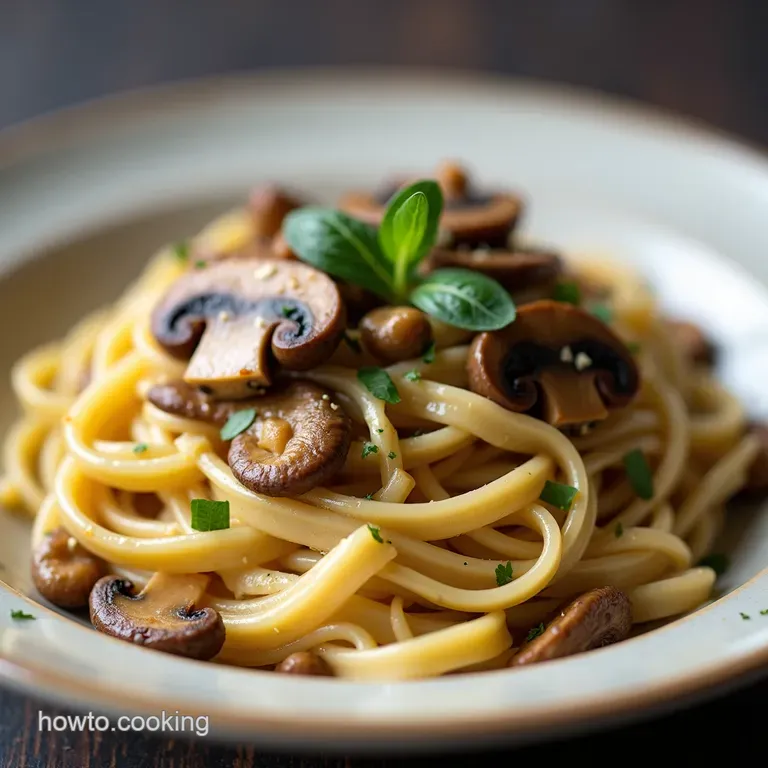
Why This Creamy Miso Pasta with Mushrooms Redefines Comfort Food
There are certain dishes that simply wrap you up in a warm culinary hug, and our Creamy Miso Pasta with Mushrooms stands proudly at the top of that list. This isn't just another Tuesday night meal; it’s a sophisticated yet utterly accessible dish that leverages the profound depth of Japanese fermentation traditions to elevate humble pasta.
Forget the heavy, one-note sauces you might be used to; we are harnessing the power of umami to create a sauce that is intensely savory, richly textural, and surprisingly light on the palate.
This Miso Mushroom Pasta Recipe manages to be both deeply satisfying as a main course and remarkably quick to prepare, making it a superstar addition to your regular rotation. It’s comfort food, yes, but comfort food that tastes like it took hours of careful labor.
The Umami Secret: Decoding Shiro Miso's Role
The key player in transforming this from a standard Creamy Mushroom Pasta into something truly memorable is, quite simply, miso. Miso paste, a traditional Japanese seasoning produced by fermenting soybeans with salt and kōji (a fungus), provides an astonishing depth of flavour.
For this preparation, we specifically call for Shiro (white) miso. This variety has been fermented for a shorter period, giving it a sweeter, milder, and lighter profile than its darker counterparts, making it the perfect partner for dairy and earthy fungi.
Understanding how to incorporate this ingredient correctly unlocks the gateway to incredible Umami Pasta .
A Quick Fix for Sophisticated Palates
The beauty of utilizing miso lies in its efficiency. Many classic French or Italian sauces require long simmering times, aging, or specialized ingredients to build layers of savory flavour.
A spoonful or two of this incredible Miso Paste Recipe substitute, however, delivers that complex, slow-cooked resonance instantly. This means you can achieve a flavor profile that suggests hours of simmering in a mere 35 minutes of active cooking time, perfect for satisfying a craving for something exquisite without the associated time commitment.
Mushroom Selection: Earthy Depth vs. Delicate Notes
To truly honour the savory backdrop provided by the miso, the mushrooms must be chosen carefully. We encourage a mix. Cremini mushrooms offer a solid, meaty foundation, while Shiitake introduces a pronounced, woodsy note. If you can source them, a few Oyster mushrooms add a slightly delicate texture.
The goal when cooking these Dinner Mushrooms is to develop a deep, rich sear; this caramelization intensifies their natural flavors, ensuring they stand up proudly against the creamy sauce rather than dissolving into it.
This thoughtful approach ensures the dish remains a hearty Mushroom Entree .
Why Miso Beats Heavy Cream (Sometimes)
While we do use heavy cream to provide the necessary luxurious body, the miso paste is actually what defines the "creaminess" from a flavor perspective. Miso enriches the sauce with glutamates, the compounds responsible for umami, without relying solely on fat for mouthfeel.
This allows us to achieve that luscious, coating texture while keeping the overall dish feeling vibrant rather than heavy. This technique is essential whether you are aiming for the standard recipe or exploring Vegan Miso Mushroom Pasta variations.
Assembling Your Creamy Miso Pasta with Mushrooms Components
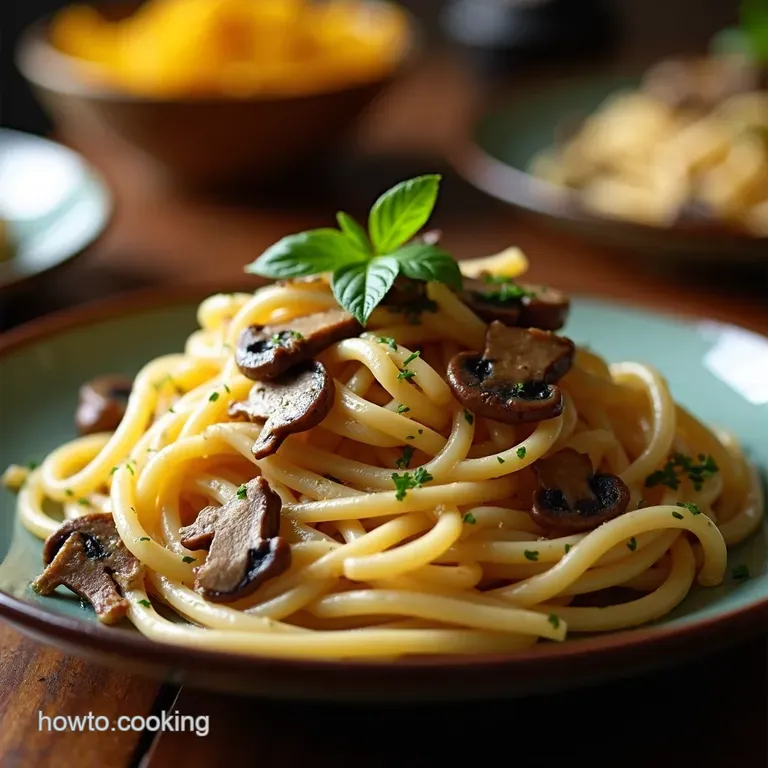
Before the actual cooking begins, setting up your station correctly ensures a smooth workflow, especially since the total cook time is under 25 minutes. A well-organized kitchen leads to a perfectly executed Creamy Miso Butter Pasta .
Sourcing Superior Umami Builders
The success of this dish hinges on the quality of the primary flavour agents. Choose a high-quality, smooth white miso, avoid anything overly grainy. For the fats, a combination of good quality unsalted butter and olive oil offers a higher smoke point (from the oil) and superior flavour (from the butter) for sautéing.
The Foundation: Pasta and Fungi
For the pasta itself, we advocate for a long, flat noodle like linguine or fettuccine. These shapes provide an excellent surface area for the savory sauce to cling to. Ensure your mushrooms, about one pound of mixed varieties, are wiped clean and sliced to a uniform thickness so they cook evenly.
Prepare your garlic and shallots, minced finely for maximum aromatic dispersal.
Crafting the Silky Miso Sauce Base
The most crucial preparatory step involves the miso slurry. Measure out your 3 tablespoons of white miso paste into a small bowl. You will need approximately a quarter cup of the hot, starchy water reserved from boiling the pasta to temper the miso.
Whisking the paste with hot water outside the main pan prevents the paste from seizing up or forming unappetizing clumps when it hits the warm fat in the skillet.
Aromatics and Acid: The Supporting Cast
The supporting cast includes a few cloves of pungent garlic and one finely diced shallot, which will add sweetness and depth to the mushroom base. Optionally, a splash of dry white wine introduces a necessary acidic lift, balancing the richness of the cream and the saltiness of the miso.
If omitting alcohol, a teaspoon of fresh lemon juice added at the very end can serve a similar purpose.
Must-Have Equipment for Optimal Sauce Emulsion
You will need a large, deep skillet capable of holding all the cooked pasta, a large pot for boiling, and a whisk. The whisk is not just for mixing the slurry; it becomes vital later for aggressively tossing the pasta and sauce together to create that beautiful, emulsified texture.
Related Recipes Worth Trying
- The 20Minute Wonder Silky Umami Bomb Miso Pasta — Need big flavour fast This Creamy Miso Pasta recipe skips the heavy cream using white miso for a rich silky sauce in under 30 minutes Your new favourite...
- The Ultimate Vegan Falafel Wrap with Crispy Baked Chickpeas — Ditch the deepfryer hassle This healthy falafel wrap recipe delivers perfectly crispy herbpacked falafel baked in the oven topped with a zesty tahini...
- Healthy Chocolate Banana Bread with Yogurt Moist Rich — Need a proper guiltfree bake This Healthy Chocolate Banana Bread recipe uses yogurt for incredible moisture and avoids refined sugar So good
The Assembly Line: Cooking Your Miso Masterpiece
With your components prepped, the cooking phase moves quickly. The process focuses on maximizing the flavour from the mushrooms first, then building the creamy sauce around that foundation before finally uniting it with the pasta.
Browning the 'Shrooms to Perfection
Start by melting the butter and olive oil blend in your deep skillet over medium-high heat. Add your mixed mushrooms. Resist the urge to stir immediately! Allow them to sit undisturbed for three to four minutes until a deep golden-brown crust forms on the bottom side.
This Maillard reaction is non-negotiable for flavour development. Once browned, stir and continue cooking until they have released their internal moisture and have concentrated their earthy flavour, usually taking around 8 to 10 minutes total.
Whipping Up the Velvety Miso Binder
Once the mushrooms are perfectly browned, reduce the heat to medium. Add your diced shallot and cook until translucent, about two minutes. Then, toss in the minced garlic, cooking only until fragrant, about 60 seconds.
If using wine, add it now, allowing it to bubble furiously and reduce until nearly evaporated, scraping up any fond (the browned bits) from the pan base. Next, pour in the heavy cream and bring it to a gentle simmer. Slowly whisk in your pre-made miso slurry until fully incorporated.
Season generously with freshly ground black pepper.
Marrying the Sauce and the Strands
While the sauce is achieving a gentle simmer, your pasta should be cooked al dente —slightly firm to the bite. Remember the golden rule: reserve at least one cup of the starchy cooking water before draining the pasta. Transfer the drained linguine directly into the skillet holding the sauce.
Add the grated Parmesan cheese now.
The Final Flourish: Resting and Plating
This is the stage where alchemy occurs. Begin tossing the pasta vigorously with tongs or using your whisk to stir rapidly. The starch from the pasta and the reserved water, combined with the fat from the cream and butter, will emulsify into a coating that clings perfectly to the strands.
If the sauce seems too tight, add reserved pasta water, one tablespoon at a time, until the sauce flows beautifully around the pasta. Let the entire mixture rest off the heat for one minute before serving immediately, topped with fresh parsley.
Elevating Your Creamy Miso Pasta with Mushrooms Further
Once you have mastered the core Miso Mushroom Pasta Recipe , experimentation becomes the most rewarding part of cooking. This dish serves as an excellent, flavour-packed canvas for variations.
Vegan Adaptations and Dairy Swaps
Achieving a Vegan Miso Mushroom Pasta is surprisingly straightforward. Omit the butter and use only olive oil, or opt for a high-quality vegan butter substitute.
Replace the heavy cream with full-fat canned coconut milk (the thick cream from the top of the can works best) or a cashew cream blended until perfectly smooth. The miso, being soybean-based, remains the vegan umami backbone of the dish.
Enhancing Umami: Beyond the Miso Paste
If you crave an even deeper savory resonance, consider adding a teaspoon of mushroom powder or a dash of light soy sauce (tamari for gluten-free needs) to the sauce base along with the cream.
Truffle oil, drizzled very sparingly just before serving, adds an intoxicating aromatic layer that complements the earthy fungi wonderfully.
Freezing Potential and Reheating Guidelines
While freshly made is always superior, leftovers are often excellent. Store cooled leftovers in an airtight container for up to three days. When reheating, the sauce may seem stiff due to the cooling of the fats.
To restore the creamy texture, reheat gently on the stovetop over low heat, adding splashes of fresh water or milk until the desired consistency returns. Avoid microwaving, as this can cause the sauce to separate.
Storage, Leftovers, and Next-Day Flavor
The flavors in this Umami Pasta actually deepen slightly overnight as the miso permeates the noodles further. For best results when planning for leftovers, slightly under-sauce the pasta initially; you can always add more liquid upon reheating, but you can’t easily take it away.
This adaptability ensures that your second serving of this delightful Mushroom Entree is just as satisfying as the first.
Frequently Asked Questions
Can I make this Creamy Miso Pasta with Mushrooms vegan? I’m trying to cut back on dairy.
Absolutely, you can give this a proper vegan twist! Swap the heavy cream for a good quality, full-fat coconut milk or a rich cashew cream. For the cheese garnish, look for a salty, nutty vegan Parmesan alternative, or simply skip it and rely on the miso and mushrooms for the umami punch.
My sauce split a bit when I added the miso; what went wrong?
That’s a classic hitch! Miso paste can curdle if it hits extreme heat too quickly, which is why we temper it first. Next time, be sure to whisk the miso into about 1/4 cup of that reserved, warm pasta water off the heat until it’s totally smooth before gently whisking it into your simmering cream.
Do I really need white miso, or can I use red miso paste in the Creamy Miso Pasta with Mushrooms?
While you technically can use red miso, white (Shiro) miso is highly recommended for this recipe. Red miso is far saltier and has a much stronger, fermented flavour profile that might overpower the delicate mushrooms and creaminess. If you only have red, use about half the amount initially and taste as you go!
How should I store leftovers of this pasta, and can I freeze it?
Store leftovers in an airtight container in the fridge for up to three days; it’s still banging the next day! However, freezing isn't ideal because the creamy sauce, thanks to the dairy and starch emulsion, might separate when reheated. If you do freeze it, expect a slightly grainy texture upon thawing.
I can only find button mushrooms; will that ruin the dish?
Not at all, you won't be left high and dry with just button mushrooms! While a mix gives deeper flavour, cremini (baby bellas) or simple white button mushrooms work fine. The key is to cook them properly: give them space in the pan and let them brown well to build that essential, earthy flavour base before adding the aromatics.
Is this dish high in sodium since miso is salty? Any tips for balancing it?
You’ve hit the nail on the head; miso does carry a fair bit of salt, so watch out when seasoning! Avoid adding extra salt until the very end, after you’ve tasted the final dish.
A squeeze of fresh lemon juice or a splash of white wine helps cut through the saltiness and brightens the overall flavour, keeping it from tasting too heavy.
Creamy Miso Pasta with Mushrooms Rich Umami Dinner

