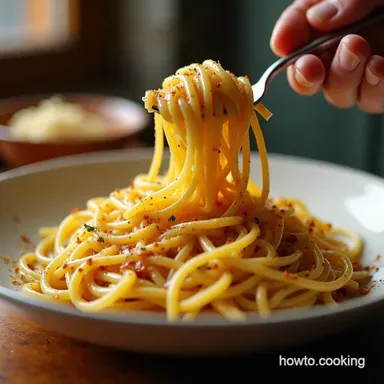
The 20Minute Wonder Silky Umami Bomb Miso Butter Pasta
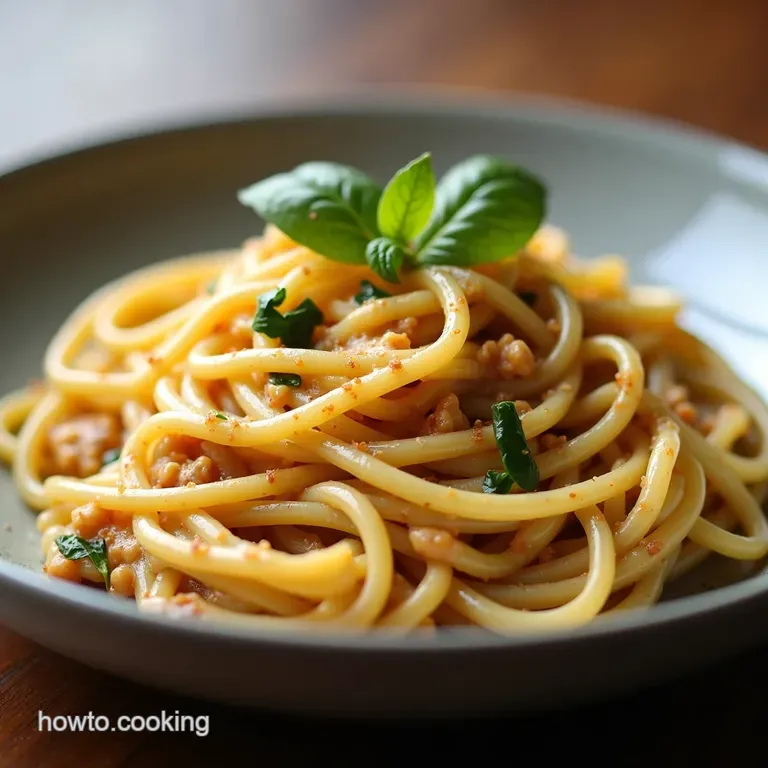
- The Genesis of Silky Umami: Why This Pasta Dominates Weeknight Menus
- Unpacking the Magic: Miso's Role in Achieving Ultimate Creaminess
- Curating Your Umami Arsenal: The Essential Shopping List
- Decoding Miso: Selecting the Right Paste for Your Creamy Miso Pasta
- The Quickfire Assembly: Achieving Perfect Pasta Consistency
- Building the Signature Creamy Miso Sauce: Techniques for Silkiness
- Leveling Up Your Bowl: Variations and Next-Day Storage Secrets
- Frequently Asked Questions
- 📝 Recipe Card
The Genesis of Silky Umami: Why This Pasta Dominates Weeknight Menus
There are dishes that satisfy a craving, and then there are dishes that redefine what comfort food can be. Our Creamy Miso Pasta falls squarely into the latter category.
This is a modern culinary superstar, an international delight born from marrying the foundational richness of Italian pasta technique with the deep, fermented savouriness inherent in Japanese cuisine.
We are talking about a texture that coats every single strand of spaghetti or linguine in a glossy, luxurious sheen, delivering a profound, satisfying depth of flavour, all achievable before your favourite streaming service finishes buffering.
Forget the lengthy labour of traditional cream sauces; this preparation is built on efficiency and impact. It’s the quintessential weeknight indulgence, proving that big flavour doesn't require an all-day commitment.
If you’ve been searching for an Umami Pasta recipe that delivers on every promise, you have found your answer in this Japanese Pasta Recipe .
Unpacking the Magic: Miso's Role in Achieving Ultimate Creaminess
The real secret weapon here isn't heavy cream or a massive amount of cheese, though both have their place. The magic that transforms simple butter and pasta water into a masterpiece lies entirely within the humble jar of miso paste.
This ingredient does double, no, triple, duty in our Simple Miso Pasta .
Trading Heavy Cream for Savory Depth
When we look at creating a rich sauce, the conventional route often leads straight to dairy fat. However, for this Creamy Miso Pasta Recipe , we substitute that heaviness for incredible flavour complexity.
Miso paste, fermented soybeans packed with glutamates, provides an intense boost of umami that mimics the richness of aged cheese or slow-cooked stock, but with far less fat and an entirely unique, slightly nutty profile. This is how we achieve that luxurious mouthfeel without weighing down the dish.
Why 30 Minutes is All You Need for This Modern Classic
The beauty of this dish, which we’ve dubbed The 20-Minute Wonder: Silky Umami Bomb Miso Butter Pasta , lies in its reliance on speed and timing. Because we are not slow-cooking aromatics or reducing liquids for long periods, the primary cooking time aligns perfectly with boiling the pasta.
The moment the spaghetti hits the boiling water, you begin prepping the sauce base, shallots, garlic, and butter, ensuring that by the time the pasta is perfectly al dente , the sauce is ready for the final, crucial emulsification step.
Flavor Profile Deep Dive: Umami Meets Comfort
The resulting flavour profile is incredibly sophisticated for such an Easy Miso Pasta . You get the familiar, comforting embrace of warm butter and perfectly salted pasta.
Layered over this is the salty, slightly sweet, earthy depth of the miso, punctuated by pungent bursts of fresh garlic and shallot. A final grind of black pepper provides necessary sharpness to balance the richness, creating a harmonious blend that keeps you reaching for "just one more bite."
Curating Your Umami Arsenal: The Essential Shopping List
To master this incredible Miso Pasta Sauce , you don't need a pantry overhaul, but precision in sourcing a few key ingredients is vital. Since the ingredient list is intentionally short, about 10 core components, the quality of each item shines through.
For four generous servings, gather 12 ounces (340g) of high-quality dried spaghetti or linguine. The star is the miso paste, alongside 4 tablespoons of unsalted butter, 1 medium shallot, 3 cloves of garlic, 1 teaspoon of soy sauce, and a solid seasoning of kosher salt and freshly cracked black pepper.
Finally, have about 1.5 cups of starchy pasta water reserved, this liquid is non-negotiable for success.
Related Recipes Worth Trying
- Bayou Bliss The Ultimate Creamy Cajun Chicken Pasta — Forget takeaway This Easy Cajun Chicken Pasta recipe delivers a foolproof velvety sauce that even Aunt Mildred approves of A guaranteed comfort food pasta...
- Broiled Miso Glazed Eggplant Tender Caramelized — This Miso Glazed Eggplant Recipe delivers incredible umami without a fuss Learn the secret to getting that perfect broiled crust for your next eggplant dinner
- Velvety Pasta e Piselli Quick Creamy Italian Pasta with Peas — Forget soup This Pasta e Piselli recipe delivers an authentic creamy texture using just the starch from the pasta Perfect for a comforting weeknight dinner
Decoding Miso: Selecting the Right Paste for Your Creamy Miso Pasta
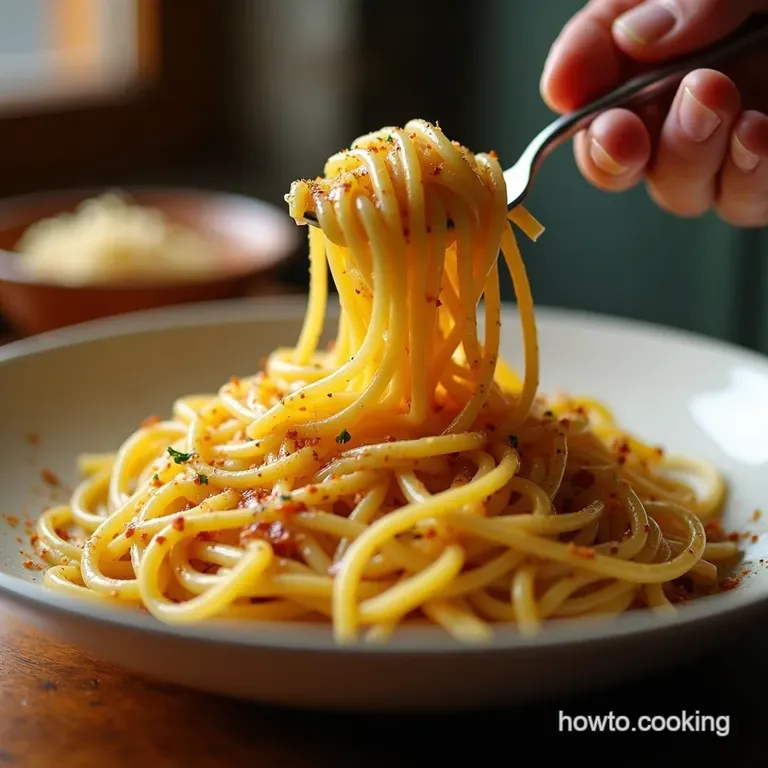
Choosing the right miso fundamentally dictates the outcome of your Creamy Miso Pasta . Do not substitute recklessly here; the type of miso changes the entire dynamic.
Pasta & Liquid Gold: Securing the Perfect Starch Base
For this recipe, we absolutely must utilize white miso paste (Shiro Miso) . White miso is fermented for a shorter period, resulting in a lighter colour, milder salinity, and a distinct sweetness that beautifully complements the butter.
Red miso, while delicious, possesses an earthier, more robust fermentation flavour that tends to overpower the delicate garlic and shallot base. When selecting your pasta, bronze-cut varieties are preferable as their rough texture helps the silky sauce cling more effectively to the finished product.
The Aromatics That Elevate the Sauce
While the miso provides the backbone, the aromatics provide the aromatic lift. We favour a finely minced shallot over a standard onion because its flavour is gentler and sweeter, blending into the sauce rather than dominating it. This is paired with three cloves of fresh garlic.
The key here is gentle sautéing, we want fragrance, not browning.
Must-Have Tools for Emulsification Success
Achieving that signature "silky" texture relies on rapidly combining fat, liquid, and starch. While a whisk is helpful for prepping the slurry, the most crucial tool is a large, wide skillet —one wide enough to comfortably toss the cooked pasta without splashing.
The wide surface area allows the pasta water and butter to combine into a homogenous sauce rather than separating into oily puddles.
The Quickfire Assembly: Achieving Perfect Pasta Consistency
The timeline for this Japanese Pasta Recipe is tight, making efficiency paramount. Begin by bringing a large stockpot of water to a vigorous, rolling boil, seasoning it heavily, it should taste decidedly salty.
Add your spaghetti and cook it for precisely one minute less than the package directs; we want it truly al dente , as it will finish cooking in the sauce. The moment the pasta hits this stage, you must immediately rescue about 1.5 cups of that cloudy, starchy cooking liquid.
This liquid is the crucial binding agent. Drain the pasta swiftly and move immediately to the sauce construction.
Building the Signature Creamy Miso Sauce: Techniques for Silkiness
The transition from cooked noodles to finished Umami Pasta is where technique truly matters. We are manipulating starches and fats to form a stable emulsion, the hallmark of great Italian sauce work, now applied to a Miso Pasta base.
Prepping the Miso Slurry: The Secret First Step
Never dump miso paste directly into a hot pan; it clumps instantly and can burn, sacrificing its delicate flavour. Instead, take about half a cup of your reserved hot pasta water and whisk it vigorously with your 3 tablespoons of miso paste and 1 teaspoon of soy sauce in a small bowl until it forms a completely smooth, thin slurry with no granules remaining.
This ensures even distribution when added to the pan.
Tossing Strategy: Marrying Pasta Water and Butter
While the pasta cooks, melt your 4 tablespoons of butter in the wide skillet over medium-low heat. Gently soften your minced shallot until translucent, then add the garlic for just sixty seconds until fragrant, watch carefully to prevent burning!
Once the aromatics are ready, remove the skillet completely from the heat source . Pour the miso slurry into the pan and whisk immediately. Now, introduce the drained pasta. Begin tossing constantly while slowly ladling in the remaining reserved pasta water, a quarter cup at a time.
This agitation, combined with the heat retained in the pan, forces the starch, fat, and miso to bind into a glossy, luxurious coating.
The Final Fold: Integrating Everything Seamlessly
Keep tossing, adding more water until the sauce clings perfectly, looking creamy rather than watery or greasy. At this stage, toss in half a teaspoon of freshly cracked black pepper and the optional grated Parmesan cheese.
The residual heat will melt the cheese slightly, further thickening and enriching the Creamy Miso Pasta Sauce .
How to Taste-Test Before Serving
Before plating, take a small forkful of pasta and sauce. Check the salinity, the miso and salted water usually provide enough salt, but a quick taste test confirms this. The texture should be slick and uniform; if it appears oily, add a tiny splash more pasta water and toss harder off the heat.
If it looks too thin, toss vigorously over very low heat for thirty seconds until it tightens up.
Leveling Up Your Bowl: Variations and Next-Day Storage Secrets
While our base recipe is spectacular in its simplicity, this Japanese Pasta Recipe is wonderfully adaptable for culinary exploration.
Protein Pairings That Complement the Savory Notes
To elevate this dish into a full meal, consider pan-seared scallops; their inherent sweetness contrasts beautifully with the salty miso. Alternatively, crispy pan-fried cubes of firm tofu, tossed in at the very end, provide a wonderful textural counterpoint.
For a mushroom boost, sauté sliced shiitake mushrooms in the butter before adding the shallots to deepen the overall umami presence in the Miso Pasta .
Extending Shelf Life: Best Practices for Leftovers
This dish is best eaten immediately, as the sauce can tighten upon cooling. If you have leftovers, store them in an airtight container in the refrigerator for up to two days.
Fixing a Sauce That's Too Thick or Too Thin
The most common hitch is the consistency of the sauce post-tossing. If your sauce has become too thick or paste-like in the fridge or on the counter, simply reheat it gently in a small pan, adding one tablespoon of fresh warm water at a time while whisking continuously until the desired silkiness returns.
If it seems too thin initially, the fix is to toss it vigorously over very low heat until the starches emulsify and absorb the excess liquid, forming that perfect cling.
Serve this stunning Creamy Miso Pasta immediately, garnished with freshly sliced chives or scallions for a necessary pop of colour and freshness to balance the deep, savory notes. Enjoy the fruits of your surprisingly quick labour!
Frequently Asked Questions
Can I use a different type of miso paste in this Creamy Miso Pasta recipe?
For this particular recipe, white miso (Shiro Miso) is highly recommended as it's milder and slightly sweeter, complementing the butter perfectly. Red or dark miso is quite robust and earthy, and boiling it can strip away those delicate notes, so you might find the flavour overpowering.
My sauce looks oily and won't thicken, what have I done wrong?
Ah, the dreaded split sauce! This usually happens because the pan was too hot when the miso was added, which breaks the emulsion. Remember, always take the pan completely off the heat before mixing in the miso slurry.
Keep tossing vigorously, adding the starchy pasta water slowly until it magically comes together into a glossy sheen.
Can I make this recipe vegan or dairy-free, seeing as it's not using heavy cream?
Yes, you absolutely can! Since the richness comes from the emulsion, you can substitute the butter with a good quality vegan butter block, avoid soft tub margarines, as they have too much water. Skip the Parmesan cheese, or use a tablespoon of nutritional yeast at the end for a cheesy flavour boost.
How long will leftovers of the Creamy Miso Pasta keep in the fridge?
This dish is best eaten fresh, as the sauce tends to seize up when chilled. If you do have leftovers, store them in an airtight container for up to two days. When reheating, you must add a splash of fresh milk or extra pasta water while gently warming it over low heat to bring that creamy texture back.
Can I add some protein or vegetables to bulk up this dish for a full meal?
It’s very versatile, much like a classic British chip shop curry! Sautéed mushrooms or wilted spinach are lovely additions that blend seamlessly. For protein, pan-seared scallops or some crispy bacon lardons tossed in right at the end work wonders to enhance that umami hit.
The 20Minute Wonder Silky Umami Bomb Miso Pasta