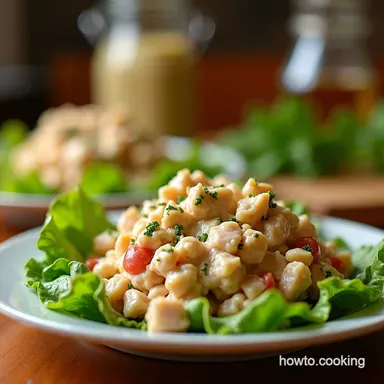
The Nofuss Allflavour Creamy Cottage Cheese Tuna Salad
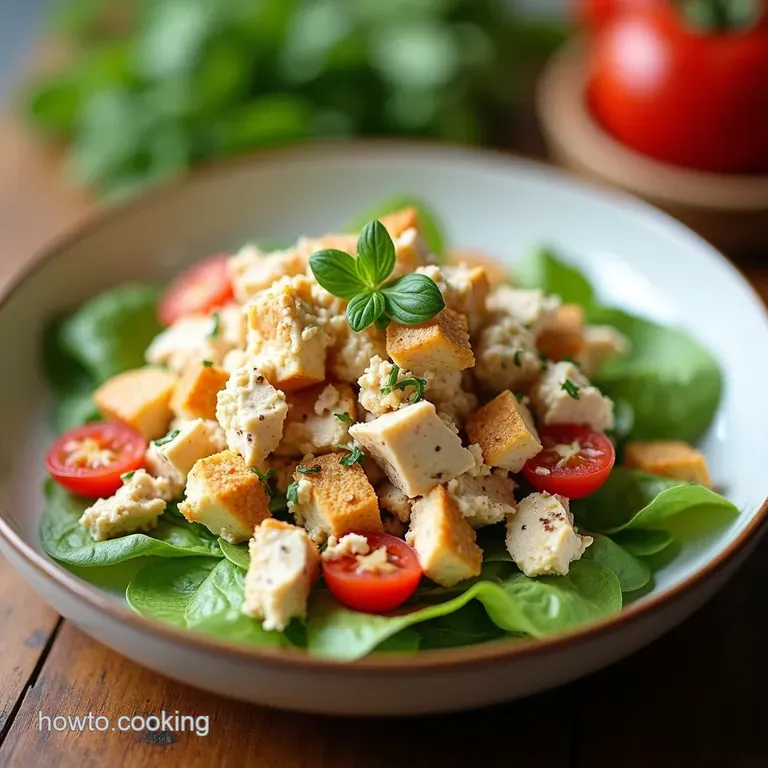
- Reinventing Lunch: Why This Creamy Tuna Mix Beats Mayo-Heavy Classics
- The Nutritional Powerhouse: Trading Fats for Fantastic Protein
- Assembling Your High-Protein Base: Essential Components
- Flavor Architects: The Aromatic Add-Ins That Define This Salad
- The Step-by-Step Method for Perfect Cottage Cheese Tuna Salad Consistency
- Mastering the Mix: Achieving the Ideal Creamy Blend
- Beyond the Sandwich: Serving Suggestions for Your Cottage Cheese Tuna Salad
- Storage Secrets and Shelf Life Maximization
- Frequently Asked Questions
- 📝 Recipe Card
Reinventing Lunch: Why This Creamy Tuna Mix Beats Mayo-Heavy Classics
We’ve all been there: staring down a bowl of traditional tuna salad, suspecting that the heavy mayonnaise base is sabotaging our lunch plans. It’s time for a delicious intervention. This recipe for Cottage Cheese Tuna Salad is not just a substitute; it’s an upgrade.
By seamlessly swapping out that saturated fat for creamy, protein-packed cottage cheese, we unlock a texture that is simultaneously lighter and more satisfying. This isn’t a compromise; it’s a culinary victory, ensuring your mid-day meal powers you through the afternoon slump rather than weighing you down.
The Nutritional Powerhouse: Trading Fats for Fantastic Protein
The primary allure of transitioning to this recipe lies in the dramatic shift in macronutrients. When aiming for a High Protein Tuna Snack , utilizing cottage cheese as the binder makes all the difference.
It introduces a substantial amount of casein and whey protein, which are known for their sustained release, keeping you fuller for longer. The estimated Cottage Cheese Tuna Salad Calories remain surprisingly low, especially when compared to the mayo-laden versions, making this an excellent choice for weight management or anyone focusing on lean muscle maintenance.
This delicious concoction transforms standard leftovers into a genuine nutritional asset.
Ditching the Slump: The Secret to Ultra-Satisfying Texture
Many people fear that substituting mayo with cottage cheese will result in a grainy or watery texture. That fear is unfounded when you follow our method. We are aiming for a creamy coalescence where the tuna flakes are beautifully coated, almost velvety.
If you find your standard tub of cottage cheese is a bit too chunky for your preference, a quick blitz in a blender or food processor before mixing can yield a luxuriously smooth base, resulting in an undeniably Blended Cottage Cheese Tuna Salad consistency that rivals the creamiest commercial dips.
A Quick Fix: How Fast This Lunch Hero Comes Together
One of the most celebrated aspects of the Cottage Cheese Tuna Salad Recipe is its sheer speed. With zero cooking required, this meal hinges entirely on assembly.
After a brief 15 minutes of preparation, draining the tuna, chopping the celery and herbs, your main components are ready to merge. This ease makes it an ideal choice for those busy weeknights when you need a reliable, flavourful dinner component, or a speedy solution for an Easy Cottage Cheese Snacks rotation throughout the week.
Assembling Your High-Protein Base: Essential Components
Building a stellar Cottage Cheese Tuna Salad Protein base requires attention to balance. Our core formula relies on two key ingredients: the protein source and the creamy binder.
You will need two standard 5-ounce cans of tuna, thoroughly drained, flaked gently with a fork in a large mixing bowl. Paired with this is one cup of cottage cheese, we recommend a small or large curd, 2% milk fat variety, as it offers the best balance of creaminess without being overly dense.
The essential goal here is moisture control; ensure that tuna is as dry as possible before introducing any other liquid elements.
Flavor Architects: The Aromatic Add-Ins That Define This Salad
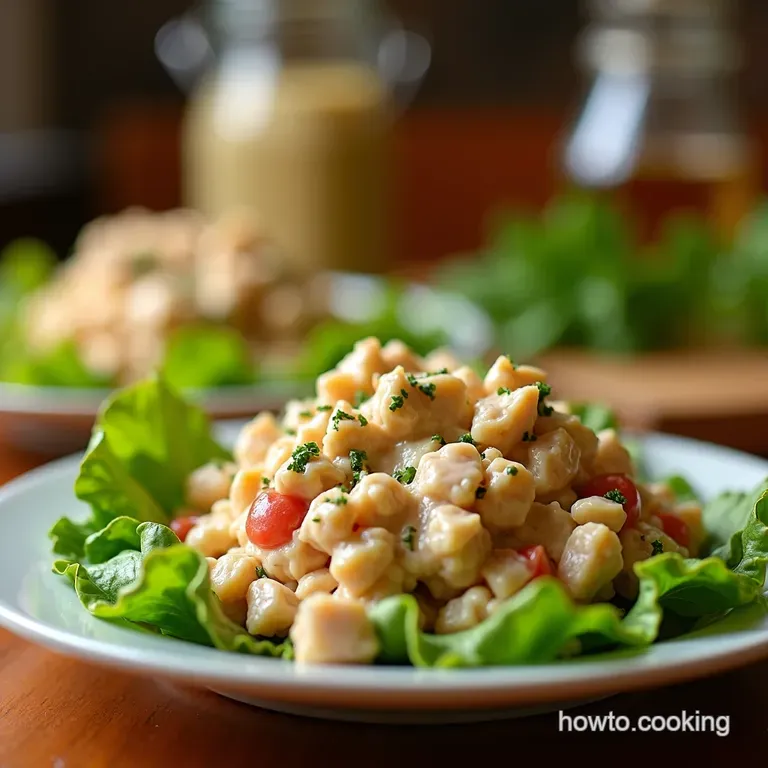
While the protein base is solid, the flavour profile is what elevates this mix from simple fare to a standout dish. We are layering brightness and depth to counteract the slight tang of the dairy binder.
Selecting the Perfect Tuna and Cottage Cheese Pairing
The quality of your ingredients matters significantly here. For the tuna, whether you opt for water-packed for the leanest result or oil-packed (drained very well!) for a richer flavour, ensure it is of good quality.
When pairing it with the cottage cheese, remember that the cheese acts as both the creaminess agent and a seasoning delivery system. Ensure your cottage cheese is fresh; off-flavoured dairy will quickly spoil the entire batch.
The Zesty Kick: Fresh Herbs and Bright Citrus Requirements
To achieve that signature brightness that cuts through the dairy, fresh ingredients are non-negotiable. We incorporate finely minced red onion (about ¼ cup) for a sharp bite, along with two stalks of finely diced celery to provide essential, satisfying crunch.
The critical element, however, is the citrus: one full tablespoon of freshly squeezed lemon juice is required. This acidity is vital for balancing the inherent mild saltiness of the cottage cheese. Finish this aromatic layer with 2 tablespoons each of chopped fresh dill and parsley.
Essential Kitchen Gear for Flawless Mixing
Preparation doesn't require specialty tools, just efficiency. You'll need a sharp chef’s knife and cutting board for achieving the fine dice on your vegetables, which prevents large, unwanted pieces in the final product.
A standard large mixing bowl is necessary to accommodate all ingredients without spillage, and a good rubber spatula is your best friend for gently folding everything together, preserving the structure of the celery and the delicate curds of the cheese.
Related Recipes Worth Trying
- Healthy Tuna Salad Recipe No Mayo All Flavour — Ditch the mayo This zingy healthy tuna salad uses Greek yogurt for creaminess making it perfect for a low calorie tuna salad lunch that tastes brilliant
- The Ultimate Jennifer Aniston Salad Recipe Vibrant Quinoa Power Bowl — Looking for the perfect Jennifer Aniston Salad Recipe This version is loaded with fresh herbs feta and a zesty dressing Your healthy salad lunch sorted
- Bright Tangy Moroccan Carrot and Chickpea Salad Recipe — Looking for the best chickpea salad This Moroccan Carrot Chickpea Salad is vibrant healthy and bursting with warm spices Easy prep for a fantastic side
The step-by-step Method for Perfect Cottage Cheese Tuna Salad Consistency
The process is wonderfully straightforward, requiring only assembly rather than complex cooking techniques. Begin by ensuring your two cans of drained tuna are flaked finely in your large mixing bowl.
Next, introduce the binder: your cup of cottage cheese, one teaspoon of Dijon mustard for tang, and the required tablespoon of fresh lemon juice. Following this, carefully fold in your finely diced celery, minced red onion, and the chopped fresh herbs (dill and parsley).
Season liberally with half a teaspoon of fine sea salt and a quarter teaspoon of freshly ground black pepper.
Mastering the Mix: Achieving the Ideal Creamy Blend
The actual technique used to combine these components is what separates a mediocre mix from a truly exceptional batch of Cottage Cheese Tuna Salad .
Prepping the Protein: Draining and Combining the Main Ingredients
Before anything touches the bowl, the tuna must be exceptionally dry. If using water-packed tuna, press it firmly against the side of the sieve or use paper towels to blot away any surface moisture. Once flaked, the tuna should be the first item in the bowl, followed immediately by the cottage cheese and Dijon.
These three elements need to start integrating before the hard vegetables go in, allowing the dairy to adhere slightly to the protein flakes.
Folding In the Freshness: Integrating Vegetables and Seasonings Gently
This is where patience pays off. Add your crisp celery, pungent red onion, and delicate fresh herbs last. Use a gentle folding motion, cutting down the middle of the mixture with the spatula and turning it over onto itself.
Avoid aggressive stirring or mashing; we want distinct pieces of celery and onion embedded in the creamy base, not pulverized mush. The goal is integration, not homogenization.
The Chill Factor: Resting Your Salad for Maximum Flavor Infusion
While you could certainly eat this immediately, resisting temptation for just a little while yields superior results. Cover your finished salad and refrigerate for a minimum of 30 minutes, though an hour is even better.
This chilling period allows the salt to properly season the cottage cheese, the lemon to brighten the overall profile, and the onion to mellow slightly, ensuring every mouthful is perfectly seasoned.
Beyond the Sandwich: Serving Suggestions for Your Cottage Cheese Tuna Salad
While this mixture is undeniably fantastic as a Cottage Cheese Tuna Sandwich filling, its creamy texture lends itself beautifully to a variety of presentations. Think beyond bread!
This makes a fantastic, protein-rich Tuna Salad Dip when served alongside thick-cut cucumber rounds, bell pepper strips, or sturdy baked pita chips. For lighter fare, serve generous scoops over a bed of mixed greens, perhaps topped with sliced avocado, for an instant, satisfying salad entrée.
Storage Secrets and Shelf Life Maximization
Because this recipe relies heavily on fresh vegetables and dairy, proper storage is essential for maintaining quality. Always store your Cottage Cheese Tuna Salad in an airtight container in the coldest part of your refrigerator immediately after serving or chilling.
The high protein content means it should be consumed within a reasonable timeframe to ensure peak freshness.
Serving Styles: Cracker Toppings to Lettuce Wraps
When serving, consider textures. For a crunchy element, offer whole-grain crackers or toasted rye bread alongside the dip. For a low-carb option, spoon the mixture into crisp, chilled romaine or butter lettuce cups, this provides a fantastic structural shell.
Adding a slice of ripe heirloom tomato to a sandwich version before grilling lightly adds moisture and warmth beautifully.
How to Keep Your Salad Fresh for Up to Four Days
If prepared correctly (very well-drained tuna, no excess moisture added), this salad maintains excellent quality for three to four days when properly refrigerated. If you notice any significant liquid separation on top after a day or two, gently pour it off before serving to maintain the intended texture.
Boosting the Crunch: Incorporating Nuts and Seeds
For those who crave textural contrast, incorporating additions right before serving can introduce a welcome snap. Walnuts or slivered almonds, lightly toasted, add a nutty depth that pairs well with the dill.
Alternatively, a sprinkle of sunflower or pumpkin seeds offers a milder crunch and adds healthy fats to your High Protein Tuna Snack .
A Note on Texture: Fine Curd vs. Large Curd Cottage Cheese Application
The choice between fine and large curd cottage cheese directly impacts the final mouthfeel. Fine curd provides a more uniformly smooth base, ideal if you strongly prefer a homogenous texture.
Large curd cottage cheese, however, offers more distinct little pockets of soft curds throughout the salad, adding a pleasant, soft ‘pop’ with every bite. Experiment with both to see which you prefer in your perfect version of the Cottage Cheese Tuna Salad Protein mix.
Frequently Asked Questions
Can I make this Cottage Cheese Tuna Salad ahead of time, or does it go soggy?
That's a grand question! Generally, this salad holds up beautifully because cottage cheese doesn't break down like mayonnaise often does. It's best made up to 24 hours in advance, but make sure it's stored in an airtight container in the fridge.
If you plan to keep it longer than that, perhaps mix the tuna and seasonings one day, and fold in the cottage cheese just before serving the next day.
My cottage cheese is too chunky; how can I get a smoother texture for my tuna salad?
Ah, the curd size conundrum! If you're aiming for a texture closer to traditional mayo-based salad, give your cottage cheese a quick blitz in a food processor or blender until it's silky smooth before adding it to the tuna.
Alternatively, using small-curd cottage cheese usually results in a creamier base right out of the tub, saving you a bit of faff!
Is this recipe much healthier than using mayonnaise, and what's the main difference?
Yes, it's generally a much better bet! The main swap is replacing higher-fat mayonnaise with cottage cheese, which packs a serious protein punch while keeping the saturated fat count lower. You get the creaminess you crave with far fewer calories and more staying power to keep you full until tea time.
I'm worried about the 'cheesy' flavour. Will this Cottage Cheese Tuna Salad taste like a dessert topping?
Not at all, promise! When mixed with the lemon juice, Dijon mustard, and zesty herbs, the flavour of the cottage cheese mellows into a lovely savoury creaminess rather than tasting distinctly 'cheesy'. It simply acts as a brilliant, neutral binder that enhances the tuna flavour rather than overpowering it.
What's the secret ingredient to make this salad taste really fresh and zesty?
Honestly, the secret weapon is fresh lemon juice, don't skimp on it or use bottled stuff if you can help it! That bright acidity cuts through the richness perfectly. Pairing it with plenty of fresh dill and ensuring your celery is crisp also makes a huge difference to the overall vibrancy of the dish.
I only have oil-packed tuna; should I drain it differently than water-packed tuna for this recipe?
You definitely should. Oil-packed tuna has a richer flavour, but you must drain it very well, or your salad will be greasy. After draining the oil, try pressing the tuna firmly with the back of a spoon against a fine-mesh sieve to release as much of the residual oil as possible before mixing it in.
The Best Creamy Cottage Cheese Tuna Salad Recipe