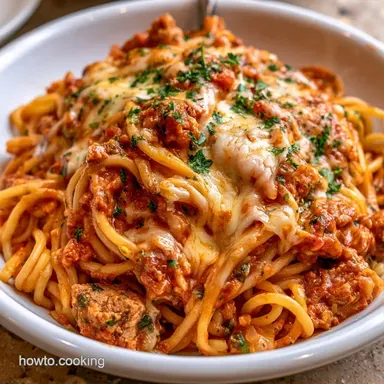
Dutch Oven Spaghetti Bake: Rich and Savory
- Timing: 15 min active + 30 min cook
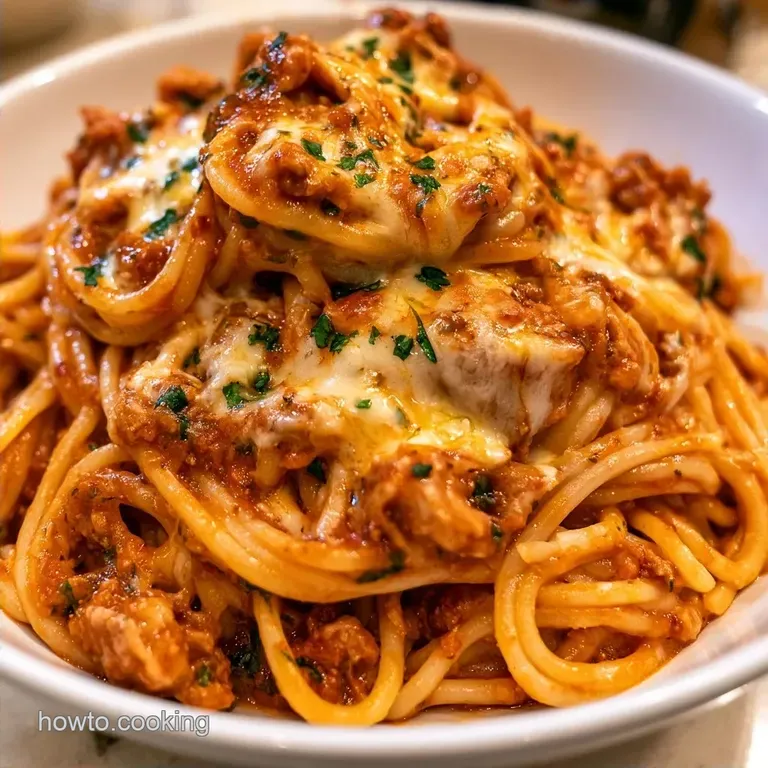
- The Appeal: Mahogany brown beef with a bubbly, caramelized cheese crust
- Best for: Family weeknight dinners or cozy camping trips
The aroma of searing beef and garlic in a hot pan always takes me back to Sunday afternoons at my grandmother's. In those traditional family kitchens, the focus wasn't on a polished presentation, but on creating a meal that felt like a warm embrace.
They used heavy cookware that moved from stovetop to oven, producing a single, hearty dish that everyone shared.
This Dutch Oven Spaghetti is my personal tribute to those traditions. It isn't about following a rigid set of instructions, but rather balancing the textures to ensure the pasta remains perfectly tender. We are embracing the simplicity of one-pot cooking to minimize the cleanup while maximizing the richness of the sauce.
You'll get a robust, savory sauce that hugs the noodles and a cheesy topping that browns beautifully under the broiler. It is a filling, comforting dish that feels more elevated than your average pasta night.
Easy One Pot Dutch Oven Spaghetti
The beauty of this dish is how it simplifies the process. Instead of boiling a massive pot of water and draining it, you let the pasta absorb the beef broth and tomato juices. This means the starch stays in the pot, giving the sauce a rich, glossy body.
I've found that using a heavy enameled pot helps distribute the heat evenly, so you don't get those scorched bits at the bottom. It's a reliable way to get a consistent cook every time.
Why This Method Works
Starch Retention: Cooking noodles in the sauce means the pasta starch thickens the liquid, making it cling better than when you drain them.
Heat Distribution: The thick walls of the pot keep the temperature steady, which prevents the sauce from breaking or evaporating too quickly.
| Method | Time | Texture | Best For |
|---|---|---|---|
| Fast (One Pot) | 45 mins | Glossy and cohesive | Busy weeknights |
| Classic (Two Pot) | 90 mins | Lighter sauce | Formal dinners |
What You'll Need
For the base, I use ground beef with a bit of fat, as that's where the flavor lives. The San Marzano tomatoes are a must because they have a lower acidity and a sweeter profile, which keeps the sauce balanced without needing heaps of sugar.
The beef broth provides a savory depth that water just can't match. It turns the liquid into a poaching medium for the noodles, ensuring every strand of pasta is seasoned from the inside out.
Essential Gear
You will need a 6 quart enameled cast iron pot. It is crucial to use one with a tight fitting lid, as this traps the steam needed to cook the noodles. Use a wooden or silicone tool for stirring to avoid scratching the enamel.
Because we finish the dish under the broiler, ensure your pot handles are oven safe. If you're preparing this Dutch oven spaghetti while camping, a standard cast iron pot over coals works perfectly, though you'll need to monitor the heat more carefully.
Putting It Together
Phase 1: Building the Flavor Base
Heat 30ml of olive oil in your pot over medium high heat. Add 450g of ground beef and cook until it's mahogany colored and slightly crispy. This usually takes about 8 minutes.
Stir in one finely diced yellow onion and cook until the pieces are translucent. Add 4 minced garlic cloves and stir for 60 seconds until you can smell the fragrance.
Add 30ml of tomato paste. Stir it into the meat for 2 minutes. You want the paste to darken slightly, which removes that raw, metallic taste.
Phase 2: The Simmer
Pour in 800g of crushed San Marzano tomatoes, 710ml of beef broth, 5ml of dried oregano, 5ml of dried basil, 2.5ml of red pepper flakes, and 5ml of sugar.
Bring the liquid to a gentle boil. Once it bubbles, turn the heat to low and let it simmer for 10 minutes. This allows the herbs to infuse into the liquid for a rich Dutch oven spaghetti bolognese style foundation.
Phase 3: The Fusion and Bake
Break 450g of spaghetti noodles in half and stir them into the pot. Make sure the noodles are mostly submerged in the liquid.
Cover the pot with the lid. Simmer for 10 to 12 minutes, stirring every few minutes. This prevents the noodles from clumping together.
Remove the lid once the pasta is al dente. Evenly sprinkle 225g of shredded mozzarella and 50g of grated Parmesan across the top.
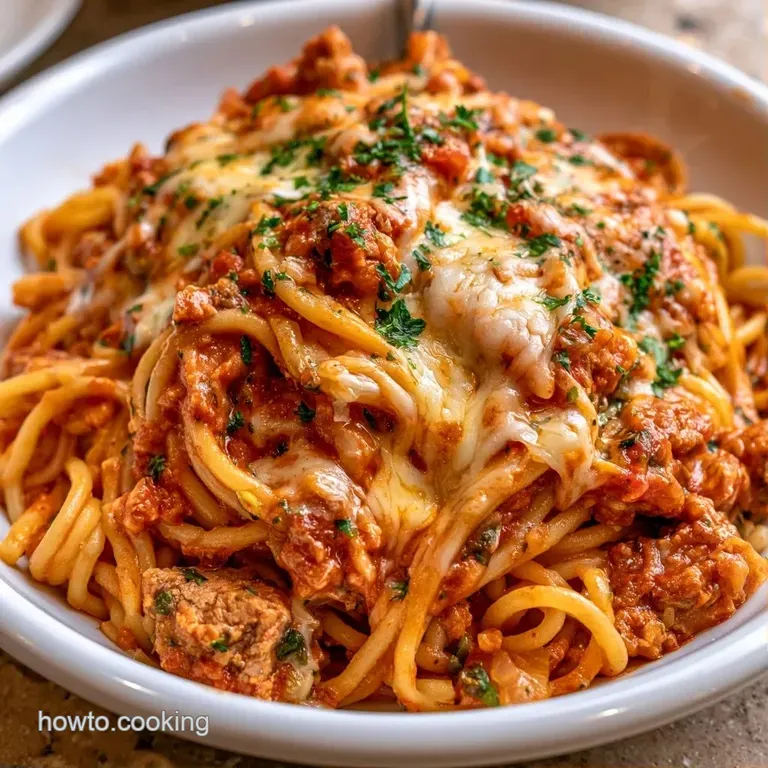
Move the pot under the broiler for 3 to 5 minutes until the cheese is bubbling and has brown spots.
Garnish with 15g of chopped fresh parsley and serve.
Chef Note: If you don't have a broiler, you can put the lid back on and let the cheese melt over low heat for 5 minutes, but you'll miss that caramelized crust.
Fixing Common Issues
Sauce Is Too Runny
This occurs when the heat was too low or the pasta failed to absorb enough liquid. If the consistency is too thin, remove the lid and simmer on medium for an additional 5 minutes before adding the cheese. This will evaporate excess moisture and intensify the flavors.
Pasta Sticking to the Bottom
Noodles tend to stick if they aren't stirred during the first 5 minutes of simmering. To avoid this, give the pasta a thorough stir immediately after adding the liquid and again halfway through. If sticking does occur, gently scrape the bottom with a wooden spoon and stir in a splash more broth.
Cheese Not Browning
A weak broiler may melt the cheese without giving it a golden color. You can fix this by setting the oven to its highest temperature for 2 minutes before sliding the pot inside. Ensure the rack is positioned about 6 inches from the heating element.
Overcooked Pasta
Noodles overcook when the lid is left on for too long. Start testing the pasta 2 minutes before the timer expires. Because the pasta continues to cook from residual heat while the cheese is broiling, it is best to pull it off the stove while it is still slightly firm.
Different Flavor Twists
If you want a different profile, you can easily swap the beef for Italian sausage or ground turkey. For a creamier version, stir in 30ml of heavy cream right before adding the cheese. This gives the sauce a velvety texture that kids usually love.
For those who prefer a more traditional sauce base, you can replace the crushed tomatoes and broth with a batch of classic marinara sauce. Just be sure to add a bit of extra water or broth so the noodles have enough liquid to cook.
If you're planning a Dutch oven spaghetti and meatballs night, brown the meatballs separately first, remove them, then build the sauce in the same pot. Nestle the meatballs back in right before you add the pasta.
For a lighter take, replace the beef with sautéed mushrooms and zucchini. This Dutch oven spaghetti with ground beef alternative works well if you use a vegetable broth instead of beef broth.
Storage and Waste
Keep remaining portions of the spaghetti in a closed container in the fridge for 3 to 4 days. Because the pasta is simmered in the sauce, it absorbs more liquid over time, so you'll notice a thicker texture the next day.
When warming it up, stir in a tablespoon of broth or water before microwaving to loosen the sauce and restore its original consistency. This meal also freezes well for up to 2 months; simply wrap it tightly in foil or use freezer safe containers.
To reduce waste, put any leftover tomato paste or beef broth toward a small batch of one pot chili. If you have extra parsley stems, finely chop them and add them to the onion sauté at the start for an extra layer of flavor.
Serving Your Pasta
Serving this directly from the pot helps keep everything warm. For sides, try some garlic bread or a fresh garden salad to balance the richness of the melted cheese.
Keep the presentation rustic perfection isn't the goal here. The real draw is the vivid contrast between the golden brown cheese and the deep red sauce.
Decision Shortcut
| Goal | What to change |
|---|---|
| More Heat | Add 5ml more red pepper flakes |
| Creamier | Stir in 30ml heavy cream |
| Lighter Meat | Use 450g ground turkey |
Truth About Pasta Myths
Many believe breaking spaghetti is a culinary sin, but for a Dutch oven recipe, it's essential. Without breaking them, the noodles will protrude from the liquid and cook unevenly.
Another common misconception is that pasta needs rinsing to prevent sticking. For this specific method, avoid rinsing; the starch is key to helping the sauce adhere to the noodles.
Precision Checkpoints
- Brown the beef until it reaches a mahogany color (approx 8 mins).
- Let the sauce simmer for exactly 10 mins before you add the pasta.
- Broil the cheese for 3-5 mins until caramelized.
This Dutch oven spaghetti is a dependable, family friendly dish that proves you don't need a stack of pots for a delicious meal. It's hearty, honest food that tastes like a slow cooked masterpiece, even though it's ready in just 45 minutes.
High in Sodium
840 mg 840 mg of sodium per serving (37% 37% of daily value)
The American Heart Association recommends a daily limit of 2,300 mg of sodium, and an ideal limit of 1,500 mg for most adults to reduce the risk of cardiovascular disease.
Ways to Reduce Sodium in Your Pasta
-
Swap the Broth-30%
Replace the low sodium beef broth with water or homemade unsalted beef stock to significantly lower the base sodium levels.
-
Omit Added Salt-25%
Completely remove the 'salt to taste' and rely on the natural salinity of the cheese and canned tomatoes.
-
Choose No-Salt Added Canned Goods-20%
Use 'no salt added' crushed San Marzano tomatoes and tomato paste instead of standard versions.
-
Moderate the Cheese-15%
Reduce the amount of Parmesan and shredded mozzarella, or swap pre-shredded cheese for fresh mozzarella, which often contains less salt.
-
Enhance with Aromatics
Increase the amount of fresh parsley, basil, and oregano to provide a flavor punch without needing extra salt.
Recipe FAQs
Can I use a Dutch oven for spaghetti?
It truly is the ideal cookware for this one-pot approach. If you value this kind of efficiency, you might also enjoy our hamburger helper.
How long should the pasta simmer in the pot?
Simmer the broken spaghetti for 10 12 minutes. Stir the noodles occasionally to prevent them from sticking together.
Is it true that the sauce must simmer for hours to taste good?
No, this is a common misconception. The sauce only needs to simmer for 30 minutes before you stir in the noodles.
How to get the ground beef perfectly browned?
Heat olive oil over medium high heat before adding the meat. Cook until the beef is mahogany colored and slightly crispy.
Dutch Oven Spaghetti Bake