The Black Forest Keeper Deeply Spiced Traditional German Fruit Cake

- The Black Forest Keeper: Deeply Spiced OldFashioned German Fruit Cake Heritage
- Why This Isn't Your Grandma's Dried-Out Holiday Brick
- Assembling Your Treasure Trove of Fruits and Flavor Enhancers
- The Multi-Stage Technique for Creating an OldFashioned German Fruit Cake Masterpiece
- Baking, Cooling, and Achieving Peak Flavor Saturation
- Maximizing Shelf Life: Storing Your Rich Fruit Bread
- Adaptations and FAQs for the Modern Baker
- Recipe FAQs
- 📝 Recipe Card
The Black Forest Keeper: Deeply Spiced OldFashioned German Fruit Cake Heritage
There is a certain magic woven into the fabric of Old Fashioned German Fruit Cake , a comforting weightiness that speaks of centuries of careful baking tradition. This is not merely a dessert; it is an edible heirloom, a testament to slow preparation and deep, resonant flavour.
In our kitchens today, we are reclaiming this classic, moving away from the mass-produced, overly preserved versions and leaning into the rich, spiced authenticity of a true Früchtekuchen .
This comprehensive guide will walk you through creating the Best Fruit Cake Ever , a loaf so fragrant and moist it will quickly become a cornerstone of your holiday baking repertoire.
Forget the hard, shelf-stable loaves of yesteryear; we are aiming for something tender, bursting with fruit, and redolent of winter spices, a true Traditional Fruit Cake Recipe brought to vibrant life.
Why This Isn't Your Grandma's Dried-Out Holiday Brick
The unfortunate reputation that fruitcakes often carry stems from poor technique or outdated ingredients. Our goal here is precision, ensuring that every bite of this German delight delivers on texture and taste.
Unpacking the Cozy Charm of Traditional Früchtekuchen
The essence of this Old Fashioned German Fruit Cake Recipe lies in the careful balance of heavy, luxurious fruits and aromatic warmth. Often viewed as a Stollen Variation Recipe , it trades the heavy yeast dough and sugar coating of Stollen for a richer, slightly more cake-like crumb, though it retains that necessary density.
The characteristic flavour comes from the careful blending of cinnamon, nutmeg, and clove, which marries perfectly with dark, soaked fruits. It embodies the spirit of German Holiday Recipes —hearty, deeply satisfying, and made to last (though it rarely does!).
Setting Expectations: The Perfect Density and Moisture Level
When baking this cake, understand that we are striving for a Moist Fruit Cake , but it will not be light and airy like a sponge. The high ratio of fruit to batter dictates a satisfying heft.
This density is intentional, ensuring the cake remains structurally sound while delivering intense flavour. The moisture comes not just from the initial batter ingredients but critically from the overnight soaking process, which hydrates the fruit thoroughly before it ever enters the oven.
A Treasured Taste: Why This Recipe Stands Apart
What sets this specific approach apart is the focus on quality and technique. We treat the dried fruits with respect, allowing them to plump up in spirits or strong tea, ensuring they contribute moisture rather than leeching it.
On top of that,, by focusing on good quality butter and brown sugar, we build a rich, molasses-toned base that perfectly complements the dark tapestry of the Fruit And Nut Cake .
This careful choreography results in a cake that ages beautifully, its flavours melding and deepening over several days.
Assembling Your Treasure Trove of Fruits and Flavor Enhancers
The success of any Christmas Fruit Cake Recipe hinges entirely on the quality and preparation of the inclusions. Gathering these components is half the pleasure of making this deeply spiced confection.
The Aromatic Spice Blend That Defines Authentic German Flavor
Authenticity in this Old Fashioned German Fruit Cake is cemented by its spice profile. We utilize a classic trio designed to evoke warmth without overwhelming the fruit.
You will need 1 teaspoon of high-quality ground cinnamon, 1/2 teaspoon of ground nutmeg (freshly grated if possible, the difference is staggering), and a judicious 1/4 teaspoon of ground cloves.
These spices must be fresh; stale spices yield a flat, dull cake, which defeats the purpose of such a dedicated baking project.
Selecting the Right Candied Fruits and Dried Berries
For our 3 cups of mixed fruit, aim for variety. A good combination includes plump raisins, tangy currants, chopped dried apricots for a chewy texture, and perhaps a few finely chopped figs for depth. Ensure the fruit is chopped into roughly uniform, manageable pieces (about the size of a large raisin).
Remember, the crucial first step is the soak: combine these dried goods with 1/2 cup of dark rum or very strong black tea, plus the zest of one large orange, and let them rest overnight. This preparation ensures a beautifully soft, flavour-infused addition to your batter.
Crucial Components: Fats, Sugars, and Binding Agents
The structure relies on a classic creaming method. You will need 1 cup (two sticks) of softened, unsalted butter, room temperature is key here for proper aeration. This richness is balanced by 1 cup of dark brown sugar, packed tightly, which lends a deeper caramel note than white sugar alone.
For binding, four large eggs, also at room temperature, provide the necessary lift and structure to hold the heavy Fruit And Nut Cake together.
The Necessary Tools: Pans and Mixing Apparatus
While you don't need a commercial bakery, certain tools elevate the process. A sturdy stand mixer or a reliable hand mixer is essential for achieving the required creamy texture of the butter and sugar. For baking, a standard 9x5 inch loaf pan is perfect, though an 8-inch round pan works beautifully too.
Crucially, always line your chosen pan with parchment paper, allowing for a generous overhang on the long sides; this sling mechanism is your best friend when extracting a dense, warm cake.
Related Recipes Worth Trying
- Heavenly 4Ingredient Lemon Cream Cheese Dump Cake Recipe — This 4Ingredient Lemon Cream Cheese Dump Cake is gloriously simplea tangy bright dessert with zero fuss Perfect for an easy lemon dump cake that tastes...
- Best Soft Chewy OldFashioned Molasses Cookies Recipe — Forget brittle gingerbread This Old Fashioned Soft Molasses Cookies recipe delivers that perfect crackled chewy centre Nan would approve Get the foolproof...
- Ultimate Black Forest Cheesecake Recipe Cherry Chocolate Decadence — Make this showstopping Black Forest Cheesecake blending rich chocolate with tart cherries Its easier than a gateau and perfect for your next holiday gathering
The Multi-Stage Technique for Creating an OldFashioned German Fruit Cake Masterpiece
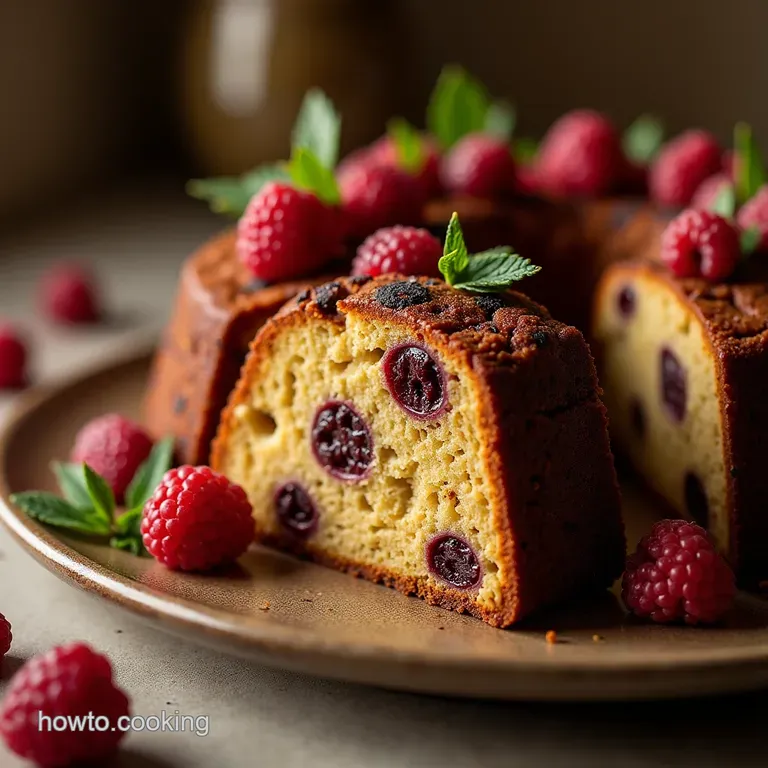
This recipe demands attention to sequence. Moving from soaked fruit to finished batter requires careful incorporation to maintain the air beaten into the fats and sugars.
Step 1: Prepping the Fruit, Soaking Secrets Revealed
As mentioned, the fruit must begin its transformation the day before you plan to bake. Combine your 3 cups of chopped dried fruit with 1/2 cup of rum or strong tea and the orange zest. Cover and allow this mixture to absorb all that wonderful flavour and liquid.
When ready to bake, lightly drain any excess liquid that hasn't been absorbed, though ideally, there shouldn't be much left.
Step 2: Creaming Butter and Sugar to Light Perfection
This is where aeration happens. Using your mixer, beat the softened butter and brown sugar together on medium-high speed until the mixture is visibly lighter in colour and texturally fluffy, this usually takes a solid 3 to 4 minutes. Scrape down the bowl sides midway through this process.
Next, incorporate the four room-temperature eggs one at a time, ensuring each egg is fully emulsified before introducing the next. Finish this stage by mixing in 1 teaspoon of vanilla extract.
Step 3: The Gentle Incorporation of Dry and Wet Elements
In a separate bowl, whisk together the 3 cups of flour, baking powder, and all the aromatic spices (cinnamon, nutmeg, cloves), along with the salt. Add this dry mixture to the creamed butter mixture in three stages, mixing only on the lowest speed until just incorporated.
Overmixing develops gluten, which results in a tougher cake, we want tender richness here. Once the flour is mostly incorporated, switch to a sturdy spatula. Gently fold in the plump, soaked fruit and the 1 cup of toasted, chopped nuts (pecans or walnuts work wonderfully).
Ensuring Even Heat Distribution: Proper Pan Lining
Before pouring the heavy batter into your prepared loaf pan, ensure the parchment sling is properly seated. Smooth the top of the batter with your spatula. Because this is a dense cake baked at a relatively low temperature, achieving even heat distribution is paramount to ensure the centre cooks before the edges dry out.
Baking, Cooling, and Achieving Peak Flavor Saturation
Baking time for a Traditional Fruit Cake Recipe like this one is lengthy, demanding patience as the oven works its magic.
Step 1: Prepping the Fruit, Soaking Secrets Revealed
Please note: This step was detailed above under "Step 1: Prepping the Fruit," but for flow, we re-emphasize the result here. The goal of the overnight soak is achieving near-total hydration, making the fruit soft and pliable, ready to integrate seamlessly into the structure rather than becoming small, hard pockets of dryness within your cake.
Step 2: Creaming Butter and Sugar to Light Perfection
The air incorporated during this creaming stage provides the initial lift needed, as the cake relies less on chemical leavening than lighter varieties. By achieving that pale, fluffy texture, you are setting the foundation for a Moist Fruit Cake that won't feel leaden after baking.
Step 3: The Gentle Incorporation of Dry and Wet Elements
When folding in the flour mixture, be mindful of time. As soon as you can no longer see streaks of dry flour, stop mixing. The remaining mixing action will occur when you fold in the heavy fruit and nuts. This minimized mixing prevents gluten formation, keeping the crumb tender.
Ensuring Even Heat Distribution: Proper Pan Lining
If you notice the top of the cake developing a deep brown crust before the internal temperature is reached (usually around the 45-minute mark), address it immediately by lightly tenting the top with aluminum foil.
This simple act reflects the heat, allowing the dense interior to cook through without burning the beautifully spiced exterior. Bake at 325° F ( 160° C) for approximately 75 to 90 minutes.
Maximizing Shelf Life: Storing Your Rich Fruit Bread
One of the incredible benefits of a dense, rich Old Fashioned German Fruit Cake is its longevity. Stored correctly, it improves with age, much like a good wine. Once completely cooled, wrap the cake tightly in plastic wrap, followed by a layer of aluminum foil.
Store it in a cool, dark pantry or a cool cellar. Many traditional bakers choose to "feed" these cakes by lightly brushing the exterior every few weeks with a small amount of brandy or sherry; this process enhances moisture and flavour over months, making it a spectacular Christmas Fruit Cake Recipe centerpiece ready weeks after it’s baked.
Adaptations and FAQs for the Modern Baker
While the traditional path is rewarding, modern life sometimes requires flexibility. Here are a few insights for tailoring this recipe to your schedule and taste preferences.
The Overnight Rest: Why Maturation Improves This Cake
While this cake is delicious eaten within a day or two, allowing it to rest, especially if you decide to treat it with a spirit soak, is highly recommended. The flavours need time to settle and marry.
If you have the patience, wrapping it securely and waiting 4–5 days before slicing will reveal a far more cohesive and complex flavour profile, a hallmark of truly great German Holiday Recipes .
Troubleshooting Common Issues: Preventing Crumbling or Dryness
If your cake is crumbly, it’s usually due to under-baking or not allowing sufficient cooling time in the pan. If it’s dry, the fruit was likely not soaked long enough, causing it to steal moisture from the batter during the bake.
Always ensure your butter and eggs are genuinely room temperature to maximize initial batter volume.
Substitution Insights: Nuts, Citrus Zest, and Spice Tweaks
If you are avoiding alcohol, the substitution of strong black tea (like Assam or Earl Grey) for the rum in the fruit soak works perfectly well, providing moisture and depth without the spirit.
You can swap the pecans for almonds if you prefer a slightly milder nut flavour in this Fruit And Nut Cake . As for spices, if you find cloves too potent, omit them entirely and add an extra 1/4 teaspoon of cinnamon.
Serving Suggestions: Best Accompaniments for Your Baked Good
When serving this substantial loaf, simplicity is often best. A light dusting of powdered sugar gives it that classic, snowy finish reminiscent of the Black Forest in winter. For something richer, serve it slightly warmed alongside a dollop of crème fraîche or a sharp lemon curd to contrast the cake’s deep sweetness.
This Old Fashioned German Plum Cake Recipe variation (using dried plums/prunes) pairs wonderfully with a strong espresso.
Recipe FAQs
Why does my Old-Fashioned German Fruit Cake come out dry sometimes?
Usually, dryness comes from two culprits: either you haven't soaked the fruit long enough, or you've over-baked the cake. Make sure your fruit has plumped up overnight, absorbing all that liquid!
Also, remember that dense cakes take longer to cook, so check frequently near the end, aiming for moist crumbs, not a bone-dry skewer.
Can I skip soaking the fruit in alcohol for this German Fruit Cake?
Absolutely! While rum or brandy adds a lovely depth of flavour that deepens during baking and storage, it's not essential. You can easily substitute the alcohol with strong, freshly brewed black tea (like English Breakfast) or even just warm water mixed with a splash of orange juice.
How long will this traditional fruit cake last, and how should I store it?
These cakes are brilliant keepers, much like a good Stilton cheese! Wrap the cooled cake tightly in foil, then place it in an airtight container. Stored correctly, it will stay wonderfully moist for two to three weeks at cool room temperature. For longer storage, it freezes beautifully for up to three months.
My batter seemed far too thick once I added the fruit; is that normal?
Yes, it should be very thick, almost like a stiff dough rather than a pourable batter. That's the hallmark of a proper, rich German fruit cake! Make sure you use a sturdy spatula to fold the fruit in, as the mixer will struggle, and you risk deflating the batter trying to force it.
I don't have a loaf pan; what other tins can I use for this recipe?
A loaf pan is ideal, but if you don't have one, you can certainly use an 8-inch round cake tin or a square 8x8 inch pan. Just bear in mind that changing the shape will alter the baking time significantly, so keep a close eye on it and start checking for doneness about 15 minutes earlier than the recipe suggests.
The Best OldFashioned German Fruit Cake Recipe Truly Moist Spiced

