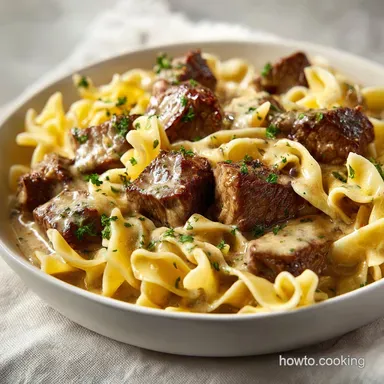
Beef and Noodles: Old Fashioned and Hearty
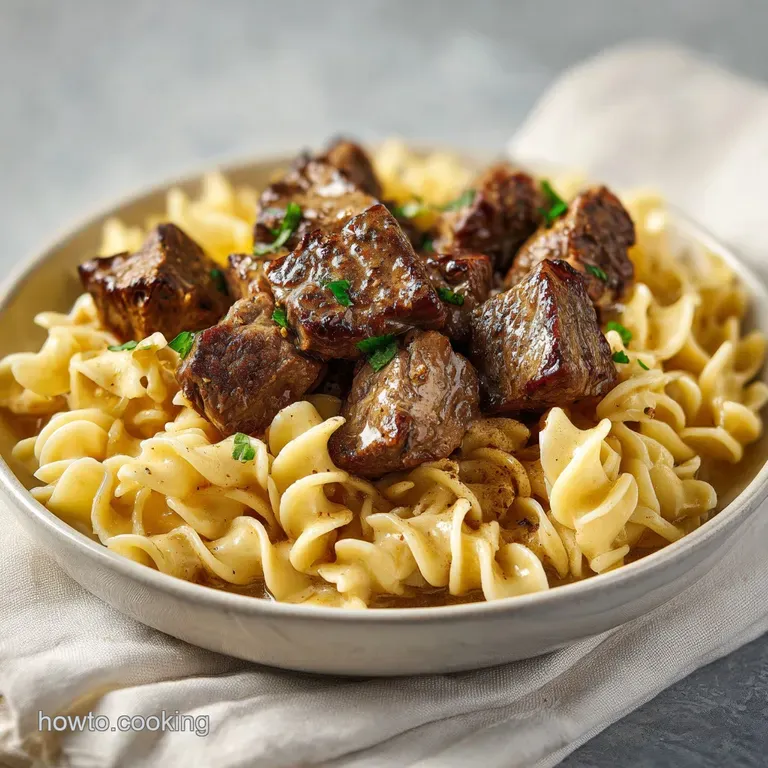
- Time:20 minutes active + 3 hours cooking = 3 hours 20 mins total
- Flavor/Texture Hook: Velvety gravy with fork tender beef
- Perfect for: Busy weeknights or rainy day comfort
- The Real Comfort of Beef and Noodles
- Breakdown of the Basics
- Component Analysis
- Essentials for the Kitchen
- Step-by-Step Guide to Hearty Beef
- Troubleshooting Common Texture Issues
- Swapping Ingredients for Your Budget
- Adjusting Your Batch Size
- Common Kitchen Myths
- Storage and Zero Waste Tips
- Best Sides and Pairing Ideas
- Recipe FAQs
- 📝 Recipe Card
The sound of beef hitting a hot Dutch oven is the best part of my Sunday. That aggressive sizzle, followed by the smell of browning meat and onions, tells me everything is going right. I used to think you had to spend ten hours with a crockpot to get meat that actually melts in your mouth, but that's just not true.
Forget the idea that a slow cooker is the only way to achieve tenderness. I've found that the stovetop method actually gives you a better crust on the meat, which means more depth in the final sauce. You don't need to sacrifice flavor for speed, and you certainly don't need to wait until tomorrow to eat.
This version of Beef and Noodles is all about smart shortcuts and big flavors. We're using a Budget-friendly chuck roast, but treating it with a bit of respect. By the time we're done, you'll have a pot of comfort that feels like it took all day, even though most of the work happens while you're doing other things.
The Real Comfort of Beef and Noodles
Right then, let's get into why this specific approach works. Most people just throw everything in a pot and hope for the best, but the secret is in the layers. When we brown the beef first, we aren't just cooking it, we're creating a foundation of flavor that stays in the pot.
I remember a time when I skipped the browning step because I was rushing. The result was a grey, bland stew that tasted like boiled cardboard. It was a hard lesson, but it taught me that the "fond" - those little brown bits stuck to the bottom of the pan - is where the magic lives.
If you don't have those, your gravy will never have that deep, mahogany richness.
Trust me on this, the patience you spend in the first ten minutes pays off in the final hour. We're aiming for a dish that is hearty but not heavy, with noodles that absorb the sauce without turning into mush. It's a balance of textures that makes this Beef and Noodles recipe a winner every single time.
Breakdown of the Basics
To get this right, you need to understand what's happening in the pot. It's not magic, just a few simple reactions that we can control.
The Browning Effect: Searing the beef creates complex flavor compounds that a slow cooker simply can't replicate. This adds a savory depth to the entire pot.
The Starch Bind: Adding flour to the sautéed vegetables creates a roux. This ensures the beef broth transforms into a velvety gravy rather than staying a thin soup.
Collagen Breakdown: Chuck roast is full of connective tissue. A steady, low simmer melts this collagen into gelatin, which gives the sauce a rich mouthfeel and the meat a tender texture.
Liquid Absorption: Cooking the noodles separately and adding them at the end prevents them from releasing too much starch into the main pot, which keeps the gravy clear and glossy.
| Method | Time | Texture | Best For |
|---|---|---|---|
| Stovetop Dutch Oven | 3 hours 20 mins | Thick gravy, seared beef | Maximum flavor |
| Slow Cooker | 8 hours | Softer beef, thinner sauce | Set and forget |
| Oven Braise | 3 hours 30 mins | Even heat, concentrated | Large batches |
This comparison shows why I prefer the stovetop. You get the control of the sear and the speed of the simmer without the "boiled" taste often found in slow cookers.
Component Analysis
Not every ingredient is just a filler. Each one serves a specific purpose in the structure of the dish.
| Ingredient | Science Role | Pro Secret |
|---|---|---|
| Beef Chuck | Collagen Source | Look for heavy marbling for more juice |
| Beef Broth | Solvent & Base | Low sodium allows you to control the salt |
| Flour | Thickening Agent | Cook it for 1 min to remove the raw taste |
| Worcestershire | Umami Boost | Adds acidity to cut through the fat |
Essentials for the Kitchen
You don't need a professional kitchen, but a few specific tools make this a lot easier.
- Dutch Oven: A heavy bottomed pot is non negotiable. It distributes heat evenly, which prevents the beef from scorching during the long simmer.
- Tongs: For flipping the beef cubes quickly without breaking them apart.
- Colander: For draining the egg noodles before they go into the pot.
- Chef's Knife: To get those beef cubes into uniform 1 inch pieces so they all cook at the same rate.
Chef's Note: If you don't have a Dutch oven, a deep stainless steel pot with a tight fitting lid works, but you'll need to keep the heat slightly lower to avoid hot spots.
Step-by-step Guide to Hearty Beef
Let's crack on with the actual cooking. Follow these steps, and you'll avoid the common pitfalls.
- Pat the beef dry with paper towels. Season generously with salt and pepper. Note: Wet meat steams instead of searing, so drying it is key.
- Heat oil in a Dutch oven over medium high heat. Brown the beef in batches until a deep mahogany crust forms on all sides; remove beef and set aside. Cook about 5-7 mins per batch until sizzled and dark.
- Lower the heat to medium. Add the onion and carrots, sautéing until the onions are translucent. Stir in the garlic and thyme and cook for 60 seconds.
- Sprinkle flour over the vegetables and stir for 1 minute. Slowly pour in the beef broth and Worcestershire sauce, scraping the bottom of the pot to release the fond.
- Return the beef and bay leaf to the pot. Cover and simmer on low for 2 to 2.5 hours until the beef is fork tender. Check at 2 hours to ensure it gives way with minimal pressure.
- While the beef simmers, cook the egg noodles in a separate pot of salted water until al dente. Drain and toss with butter.
- Fold the noodles into the beef gravy during the last 5 minutes of cooking to allow them to absorb the sauce.
- Garnish with chopped fresh parsley before serving.
Troubleshooting Common Texture Issues
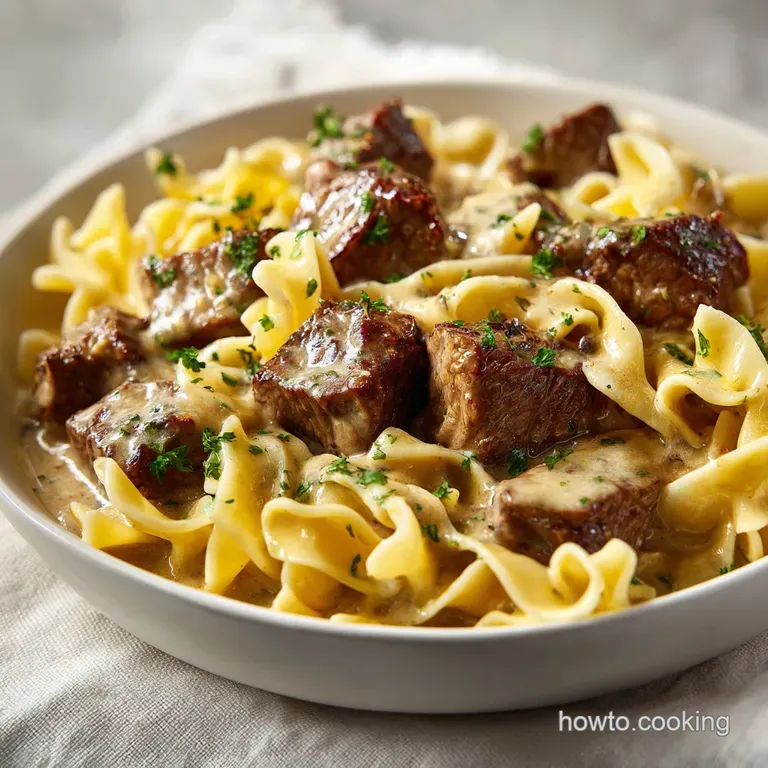
Even the best of us hit a snag. Here is how to handle the most common issues when making Beef and Noodles.
Tough Beef Issues
If your beef is still chewy, it usually means it hasn't reached the temperature where the collagen breaks down. According to USDA FoodData, beef chuck is a hardworking muscle and needs time and moisture. Give it another 30 minutes of simmering.
Thin Sauce Problems
A runny sauce usually happens if the flour wasn't cooked enough or the simmer wasn't long enough to reduce the liquid. You can fix this with a small cornstarch slurry (1 tsp cornstarch mixed with 1 tbsp water) stirred in at the end.
Mushy Noodle Fixes
Overcooking the noodles in the second pot is the main culprit. Always pull them off the heat 1-2 minutes before the package says, as they will continue to soften when folded into the hot gravy.
| Problem | Root Cause | Solution |
|---|---|---|
| Grey Meat | Crowding the pan | Brown in smaller batches |
| Raw Flour Taste | Not sautéing flour | Cook flour 1 min before adding liquid |
| Bland Gravy | Not enough reduction | Simmer uncovered for 15 mins |
Common Mistakes Checklist
- ✓ Did you pat the beef dry before searing?
- ✓ Did you scrape the bottom of the pot after adding broth?
- ✓ Did you cook noodles separately from the beef?
- ✓ Did you use a low simmer rather than a rolling boil?
- ✓ Did you let the meat rest in the sauce for 5 minutes?
Swapping Ingredients for Your Budget
One of the best things about Beef and Noodles is how flexible it is. You can easily swap items based on what's in your pantry or your budget.
| Original Ingredient | Substitute | Why It Works |
|---|---|---|
| Beef Chuck Roast | Beef Stew Meat | Pre cut for speed. Note: Sometimes leaner and tougher |
| Wide Egg Noodles | Rotini or Penne | Holds sauce well. Note: Changes the "old fashioned" feel |
| Beef Broth | Water + Bouillon | Budget-friendly. Note: Can be saltier than boxed broth |
| Fresh Parsley | Dried Parsley | Pantry staple. Note: Less vibrant color and aroma |
If you're in a rush and don't have three hours, my Homemade Hamburger Helper is a great fast alternative that uses ground beef. For something with a bit more punch, try the Beef and Rotini in Parmesan Garlic Sauce.
The Ground Beef Shortcut
If you use ground beef, you skip the 3 hour simmer. Brown the meat, add the veg, and simmer for only 20 minutes. It's more like a goulash, but still hits the spot.
The Instant Pot Method
For a faster version, sear the beef in the IP, sauté the veg, and pressure cook on high for 35 minutes. Be careful with the liquid; you can reduce the broth by about 1 cup since there's no evaporation.
Gluten-free Adjustment
Swap the all purpose flour for a 1:1 gluten-free blend or use a cornstarch slurry at the end. Use gluten-free corn or brown rice noodles, but keep in mind they can get mushy faster than egg noodles.
Adjusting Your Batch Size
Whether you're cooking for one or a crowd, you can scale this Beef and Noodles recipe without losing the flavor.
Scaling Down (1/2 or 1/4): Use a smaller pot to prevent the liquid from evaporating too quickly. For a half batch, reduce the cooking time by about 20%, but still check for tenderness. If a recipe calls for an odd number of eggs (not here, but for future reference), beat one and use half.
Scaling Up (2x-4x): Don't just multiply the salt and spices by four. Start with 1.5x the salt and pepper and taste as you go. Most importantly, brown the beef in several batches. If you crowd the pan with 8 lbs of meat, it will steam and turn grey, killing your flavor.
| Scaling | Pot Size | Liquid Adjustment | Salt/Spice Adj |
|---|---|---|---|
| 1/2 Batch | 3 Qt | Exact ratio | Exact ratio |
| 2x Batch | 6-8 Qt | Reduce liquid by 10% | 1.5x only |
| 4x Batch | Multiple pots | Reduce liquid by 15% | 2x only |
Working in batches is the only way to maintain that seared crust when scaling up.
Common Kitchen Myths
There are a few things people tell you about braising beef that just aren't true. Let's clear the air.
Myth 1: Searing meat seals in the juices. This is a classic mistake. Searing doesn't create a waterproof barrier; moisture still escapes. However, the crust adds a massive amount of flavor through browning, which is why we do it. For a deeper dive into searing, Serious Eats has some great guides on the chemistry of the crust.
Myth 2: More expensive meat is always better for stews. Actually, a very expensive, lean cut like sirloin would be a disaster here. It would get tough and dry. You want the cheap, fatty, collagen heavy chuck roast because it's designed for long, slow cooking.
Storage and Zero Waste Tips
Don't let any of this go to waste. Beef and Noodles actually tastes better the next day once the flavors have had time to mingle.
Storage Guidelines Store leftovers in an airtight container in the fridge for up to 4 days. If you find the sauce has thickened too much in the fridge, add a splash of water or beef broth before reheating.
Freezing Instructions This dish freezes surprisingly well for up to 3 months. I recommend freezing the beef and gravy separately from the noodles. If you freeze them together, the noodles can become overly soft upon reheating. Thaw in the fridge overnight and reheat on the stove.
Zero Waste Hacks If you have leftover beef broth or veggie scraps from the carrots and onions, freeze them in a bag. Once you have a full bag, simmer them with a few beef bones to make your own homemade stock.
Also, save the parsley stems; chop them finely and add them to the pot at the beginning for extra herbal depth.
Best Sides and Pairing Ideas
Since this Beef and Noodles dish is so rich and velvety, you want sides that provide a bit of contrast.
Fresh Balance A crisp green salad with a sharp lemon vinaigrette cuts through the richness of the beef gravy. Think arugula or baby spinach with sliced radishes and a touch of acidity.
Vegetable Pairings Roasted Brussels sprouts or steamed broccoli are perfect. The charred edges of the sprouts complement the seared beef, while the broccoli acts like a sponge for any extra sauce on the plate.
Bread Options A crusty sourdough or a warm garlic baguette is a must. You'll want something to mop up every last drop of that mahogany gravy.
The Drink Choice A bold red wine like Cabernet Sauvignon or a simple iced tea with lemon works well. The tannins in the wine help break down the richness of the fats in the chuck roast.
Right then, you've got everything you need to make a pot of Beef and Noodles that will have everyone asking for seconds. Just remember: don't rush the sear, don't overcook the noodles, and always taste your sauce before serving. Happy cooking!
Recipe FAQs
What is the best meat for beef and noodles?
Beef chuck roast. Its high fat and connective tissue break down during the 2 to 2.5 hour simmer, resulting in fork-tender cubes.
What sauce goes well with beef and noodles?
A savory brown gravy. The combination of beef broth, Worcestershire sauce, and a flour roux creates a rich coating that clings to the egg noodles.
What goes best with beef and noodles?
Light, acidic sides. A crisp green salad or steamed vegetables balance the richness of the beef gravy. If you enjoy this kind of comforting beef dish, you might also like the heartiness of our Tater Tot Casserole.
What seasonings do you put in beef and noodles?
Salt, black pepper, and dried thyme. These basics, combined with a bay leaf and garlic, provide a classic, earthy flavor profile.
How to prevent the beef from becoming tough?
Simmer on low for 2 to 2.5 hours. Cooking the meat slowly allows the collagen to melt, ensuring the beef is fork-tender rather than chewy.
Is it true that I should boil the noodles directly in the beef broth?
No, this is a common misconception. Cooking egg noodles in a separate pot of salted water prevents them from absorbing too much liquid and becoming mushy.
How to reheat leftover beef and noodles without them getting mushy?
Add a splash of beef broth before heating. This loosens the thickened sauce and restores the original texture of the noodles.
Beef and Noodles: Slow-Cooked