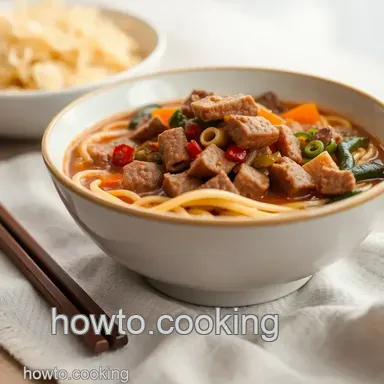
Beef Ramen with Savory Veggies
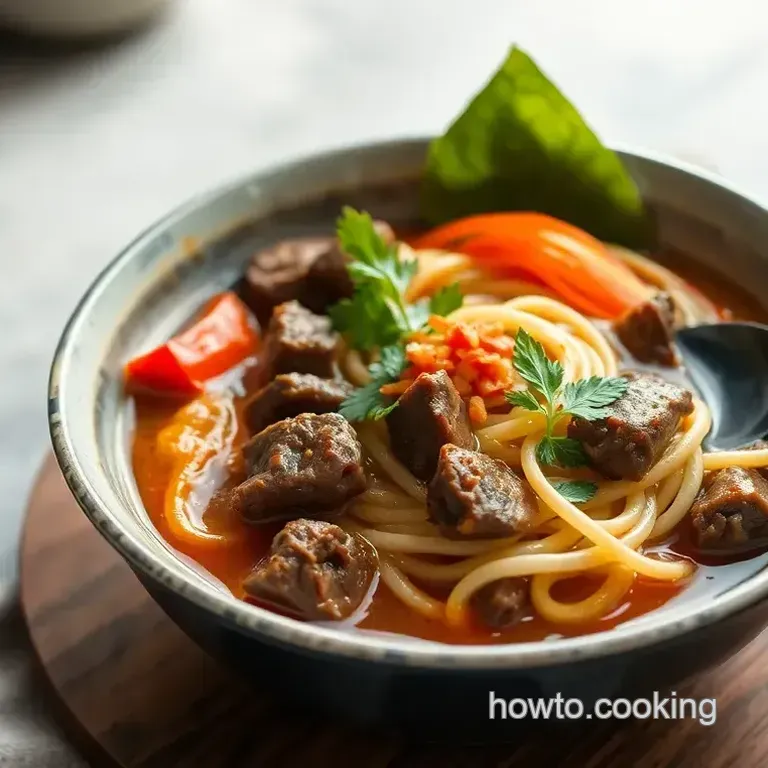
- Effort: 10 min preparation + 15 min cooking
- Sensory Profile: Mahogany-hued glaze with crisp-tender veggies
- Best for: Hectic weeknights or low-cost cravings
Quick and Savory Beef Ramen
Nothing beats the sound of steak searing in a piping hot skillet on a gloomy Tuesday. I recall one evening when I was completely exhausted and broke, with only a few packs of instant ramen left in my pantry. I craved something indulgent, but I didn't have the energy for a grocery run or a long-simmering pot.
That's when it hit me: the noodles themselves are fine, it's the flavor packet that lacks soul. By stir-frying them with steak and broccoli, I transformed a simple snack into a proper dinner. This Beef Ramen has become my favorite way to get a satisfying meal with minimal work.
The recipe blends salty soy sauce with the sweetness of brown sugar for a punchy, umami-heavy experience. It's a filling, high-energy meal that feels like a luxury, yet it relies on clever shortcuts to stay affordable and quick.
Recipe Quick Specs
This version of Beef Ramen focuses on speed and budget. We use sirloin for a good balance of cost and tenderness, but any thinly sliced beef works here. The total time is just 25 minutes, which is practically a miracle for a meal this filling.
The focus here is on the "glaze" effect. Instead of a soup, we're creating a thick, clinging sauce. This ensures every strand of noodle is coated in flavor, which makes the Beef Ramen feel much more substantial than a basic bowl of soup.
How the Flavors Work
Underboiling the Noodles: Boiling the noodles for just 2 minutes ensures they stay springy. By finishing them in the sauce, the noodles soak up the beefy essence instead of merely being coated.
The High-Heat Sear: A quick sear on the beef develops a brown crust. This imparts a rich, charred taste to the Beef Ramen that simmering or boiling alone cannot achieve.
Cornstarch Slurry: Stirring in the slurry at the end emulsifies the fat and soy sauce. This results in a velvety glaze that clings to every noodle instead of settling at the base of the bowl.
Picking the Right Ingredients
For the protein, sirloin or flank steak is the way to go. If you're on a strict budget, you can use a cheaper cut like chuck, provided you slice it incredibly thin against the grain. This prevents the Beef Ramen from feeling chewy.
The broccoli and red bell pepper add a fresh, crisp contrast to the rich meat. It reminds me of the rich, earthy tones in my mushroom sauce, just with a punchier soy base. Using fresh ginger is a non negotiable here, as the powdered stuff lacks the zing needed to cut through the beef fat.
The sauce relies on the combination of soy and brown sugar. This creates a sweet and salty profile that defines a great Beef Ramen. I've found that toasted sesame oil is the one ingredient that makes the whole dish smell like a professional kitchen.
Ingredients and Substitutions
- 1 lb sirloin or flank steak, thinly sliced against the grain Why this? Lean and cooks rapidly
- 2 cups broccoli florets, bite-sized Why this? Provides texture and keeps its form
- 1 red bell pepper, thinly sliced Why this? Brings a pop of color and sweetness
- 3 cloves garlic, minced Why this? A fundamental aromatic
- 1 tbsp vegetable oil Why this? Stable at high heat for browning
- 1/4 cup soy sauce Why this? The main source of salt and savory depth
- 1 tbsp toasted sesame oil Why this? Adds a characteristic nuttiness
- 1 tbsp brown sugar Why this? Counteracts salt and creates a glossy glaze
- 1 tsp fresh ginger, grated Why this? Zesty, sharp flavor
- 1 tbsp cornstarch mixed with 1 tbsp cold water Why this? Used as a thickening agent
- 2 packs instant ramen noodles Why this? Convenient and quick foundation
- 2 scallions, thinly sliced Why this? Crisp final touch
- 1 tsp toasted sesame seeds Why this? Adds a bit of crunch at the end
| Original Ingredient | Substitute | Why It Works |
|---|---|---|
| Sirloin Steak | Flank or Chuck | Flank offers less fat; Chuck is more affordable but requires thinner cuts |
| Soy Sauce | Tamari | Similar taste. Note: This makes the Beef Ramen gluten-free |
| Brown Sugar | Honey | Comparable sweetness. Note: Honey creates a slightly more viscous sauce |
| Broccoli | Snap Peas | Matching color and texture. Pairs perfectly with the salty glaze |
| Red Bell Pepper | Carrots | Provides a distinct sweetness and a bright orange look |
Essential Kitchen Tools
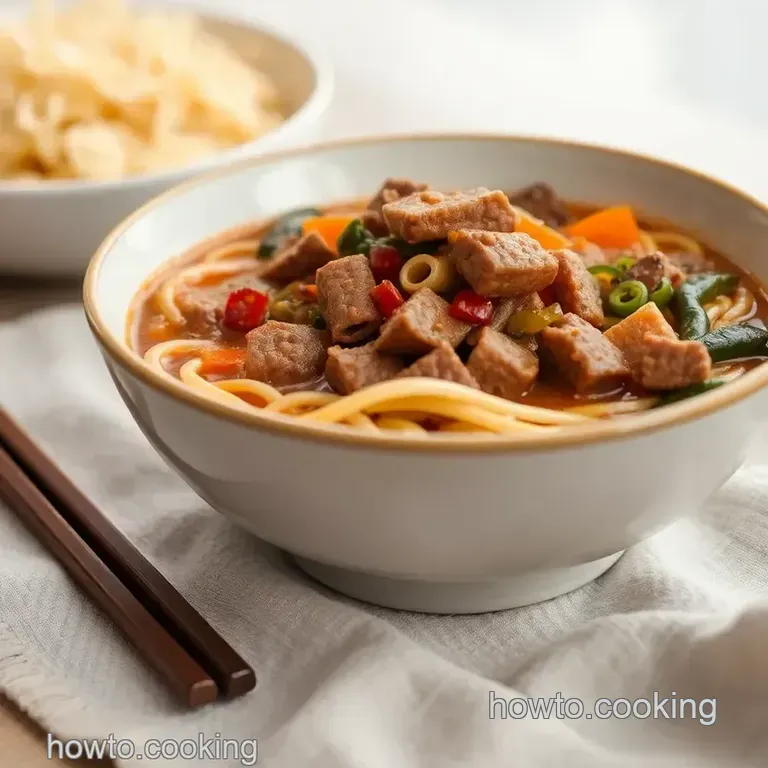
Basic kitchen gear is all you need for this Beef Ramen, though a few specific items are helpful. A large skillet or wok is ideal; the wide surface ensures the beef sears properly rather than crowding and steaming.
A colander is essential for the noodles. I also recommend using a small whisk for the sauce, but a fork is a great alternative for dissolving the brown sugar.
Chef Tip: Use a meat mallet to lightly pound the steak before slicing. This breaks down the muscle fibers, ensuring your Beef Ramen is even more tender.
Step by step Cooking
- Whisk together the soy sauce, sesame oil, brown sugar, and grated ginger in a small bowl Note: ensure sugar is fully dissolved. Mix your cornstarch and cold water in a separate tiny cup to make the slurry.
- Heat vegetable oil in a large skillet over high heat until it begins to shimmer. Add sliced beef in a single layer. Sear undisturbed for 2 minutes until the edges are mahogany colored. Flip and cook for 1 more minute, then move the beef to a plate.
- Toss the broccoli and red bell pepper into the same pan using the leftover beef fat. Stir fry for 3-4 minutes until the broccoli is vibrant green and tender crisp>. Stir in the minced garlic and sauté for 30 seconds.
- Boil the ramen noodles for exactly 2 minutes. Drain them using a colander. Note: They should be slightly undercooked at this stage.
- Add the drained noodles to the pan with the vegetables. Pour the savory sauce over the mixture and toss everything together to coat.
- Return the seared beef to the pan. Pour in the cornstarch slurry and cook for 1-2 minutes until the sauce thickens into a glaze> that clings to the Beef Ramen.
- Garnish the Beef Ramen with thinly sliced scallions and toasted sesame seeds.
Fixing Common Issues
One of the biggest complaints with this Beef Ramen is when the noodles end up too soft. This usually happens if you boil them for the full time listed on the package. Remember, they keep cooking in the pan with the sauce.
If the sauce tastes too salty, it's often because the soy sauce brand varies in sodium. You can balance this by adding a squeeze of lime juice or a teaspoon of extra brown sugar.
Another common issue is chewy beef. This happens if you slice the meat with the grain instead of against it. Look for the lines in the meat and cut perpendicular to them to ensure the Beef Ramen stays tender.
Noodles are too soggy
When the noodles are overcooked, they lose their spring and absorb too much liquid, making the Beef Ramen mushy.
Sauce is too thin
If the sauce doesn't cling, the cornstarch slurry might not have been mixed well or the pan wasn't hot enough to activate the thickening.
Beef is tough
Cutting the beef too thick or overcooking it in the pan leads to a rubbery texture in your Beef Ramen.
| Problem | Root Cause | Solution |
|---|---|---|
| Soggy Noodles | Boiled too long | Reduce boil time to 2 mins; rinse with cold water |
| Thin Sauce | Slurry not activated | Heat pan for 30 seconds before adding slurry |
| Chewy Beef | Sliced with grain | Slice perpendicular to muscle fibers |
Swapping Ingredients
If you want a different flavor profile, try adding a tablespoon of Sriracha or Gochujang to the sauce. This turns the dish into a spicy Beef Ramen stir fry recipe. It adds a fermented heat that pairs beautifully with the sesame oil.
For those avoiding gluten, swap the soy sauce for tamari and use brown rice ramen noodles. This creates a gluten-free beef ramen bowl recipe that doesn't sacrifice the depth of flavor.
If you're looking for a version with a more traditional liquid base, my homemade ramen recipe explains how to build a richer broth. But for a quick weeknight meal, this stir fry style Beef Ramen is much more efficient.
You can also try a Mongolian beef and broccoli ramen variation by adding extra ginger and a splash of hoisin sauce. This makes the Beef Ramen even sweeter and more pungent.
| Goal | What to change |
|---|---|
| More Heat | Add 1 tbsp Gochujang or Sriracha |
| Lower Carb | Swap ramen for zucchini noodles (zoodles) |
| Extra Veggies | Add shredded carrots or bok choy |
Keeping It Fresh
While this Beef Ramen is most delicious fresh, leftovers can be kept in an airtight container in the refrigerator for 3 days. Note that the noodles will soak up more sauce during storage, altering their texture.
When warming it back up, a stove-top method is preferable to microwaving. Simply place the Beef Ramen in a skillet and add a bit of water or beef stock. Cook over medium heat for 3-5 minutes; this thins the sauce and restores the noodles' springy consistency.
To minimize waste, don't toss your broccoli stalks. Just peel away the woody skin and slice the tender core thinly. Add these to the pan alongside the other veggies for an extra nutritional boost and a satisfying crunch in your Beef Ramen.
Serving Your Bowl
Presentation is everything, even for a budget meal. I like to use a wide, shallow bowl for Beef Ramen. This allows the noodles to spread out and shows off the vibrant colors of the red pepper and green broccoli.
Add a soft boiled egg on top for an extra hit of richness. The creamy yolk mixes with the savory glaze of the Beef Ramen, creating a luxurious finish. A few extra sesame seeds scattered on top add a professional touch.
If you're serving this to a group, place the Beef Ramen in the center of the table in a large platter. It makes the meal feel more like a family style feast and less like a quick fix.
Fresh vs Shortcut Comparison
| Feature | Fresh Ingredients | Shortcut Version |
|---|---|---|
| Noodle Texture | Chewy, dense | Springy, light |
| Prep Time | 45-60 minutes | 10 minutes |
| Flavor Depth | Complex, layered | Bold, punchy |
Debunking Kitchen Myths
Searing meat does not "seal in" the juices. That's a common misconception. Searing is actually about the Maillard reaction, which creates those brown, flavorful bits on the surface of the beef in your Beef Ramen. The moisture loss happens regardless of how you sear.
Some people think instant ramen is always "unhealthy" and should be avoided. While the seasoning packets can be high in sodium and additives, the noodles themselves are just flour and water. By tossing the packet and making your own sauce, you turn the Beef Ramen into a balanced meal with protein and veggies.
Trust me on this: don't bother with "low sodium" soy sauce if you want the most authentic flavor. Just balance the salt with a bit more brown sugar or a splash of acidity. It keeps the Beef Ramen tasting bold.
Recipe FAQs
What can I add to beef ramen to improve the flavor?
Mix in fresh ginger and toasted sesame oil. These ingredients add an aromatic depth that instant flavor packets usually miss.
Which vegetables pair best with ramen noodles?
Use broccoli florets and red bell pepper. They provide a crisp texture and vibrant color that complements the seared beef.
Does a specific seasoning work best for beef ramen?
Combine soy sauce, brown sugar, and ginger for a savory-sweet glaze. This pairing creates a rich mahogany finish when thickened with a cornstarch slurry.
Can I stir-fry beef together with ramen noodles?
Sear the beef separately first to ensure proper browning. You then toss the noodles in at the end to avoid overcooking them. This pairs perfectly with a side of gratin potatoes.
How do I add more depth to the sauce?
Whisk in additional toasted sesame oil and minced garlic. These aromatics enhance the overall savoriness of the beef.
Is it true that making beef ramen takes a long time?
Surprisingly, no. This recipe only takes 25 minutes from prep to plate because the beef sears quickly and the noodles boil in just 2 minutes.
Beef Ramen in 25 Minutes