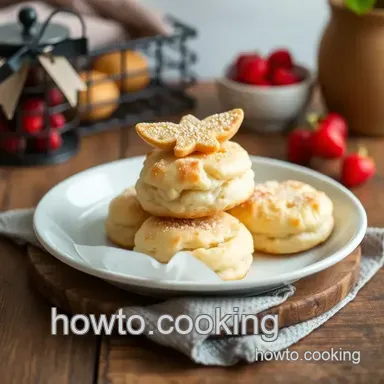
Light Angel Biscuits in 35 Minutes
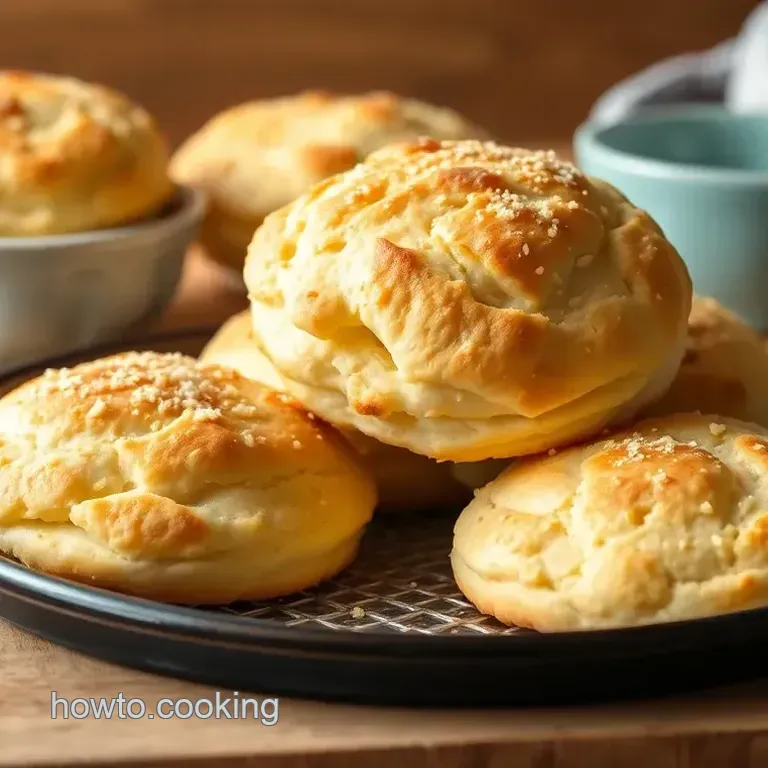
- Time: 20 min active + 15 min baking
- Flavor/Texture Hook: Feather-light crumb with a rich, salted butter finish
- Perfect for: Quick Sunday breakfasts or as a side for hearty stews
The aroma of warm buttermilk and melting butter wafting from the oven is enough to wake the entire household. There is something about that specific scent that feels like a warm embrace. I still remember my first attempt at making a "light" biscuit that ended up with the consistency of a hockey puck.
It was a valuable lesson in trusting the leavening agents and avoiding overworking the dough.
Buttermilk is the true secret here. Beyond adding a signature tang, it reacts with the baking soda to create the delicate air pockets that make each biscuit feel like a cloud. Master the Light Angel Biscuit: Fluffy Southern Delight in just 45 minutes.
You can expect a result that is significantly loftier than a standard buttermilk biscuit, yet less dense than a traditional roll. It is a perfect middle ground that offers the best of both worlds. Since we are using minimal equipment, you won't need a fancy mixer, just a bowl and your hands.
What Makes These Rise
Triple Lift: Using yeast, baking powder, and baking soda together creates a surge of bubbles. The yeast adds depth, while the chemical leaveners provide the immediate vertical push.
Egg White Air: Beating the egg white until frothy incorporates tiny air bubbles. These expand in the heat, stretching the gluten and keeping the crumb open.
Touching Placement: When the biscuits are placed barely touching on the pan, they can't spread outward. This forces the expansion upward, creating those high, steep sides.
| Method | Time | Texture | Best For |
|---|---|---|---|
| Oven Bake | 15 min | High rise, golden top | Traditional batches |
| Stovetop | 12 min | Crispy bottom, softer top | Small batches, no oven |
I've found that the oven is the way to go for that classic mahogany finish. The stovetop method works in a pinch with a heavy lid, but you lose that beautiful browned crust on top.
Basic Tools You'll Need
Minimal equipment is needed for this process. A large mixing bowl is the main centerpiece; I suggest using glass or stainless steel, as they don't retain scents from previous recipes.
While a pastry cutter is useful for the butter, your fingers work perfectly well. Just be sure your hands are cold. If they are too warm, the butter will melt into the flour, and you'll lose those signature flaky layers.
A standard 2.5 inch round biscuit cutter is best for cutting. If you lack one, the rim of a washed glass or a wide PVC pipe is a great alternative. Just make sure the edge is sharp and clean so the dough doesn't get pinched.
The Building Blocks
| Ingredient | What It Does | Best Swap |
|---|---|---|
| All Purpose Flour | Provides structure | Bread flour (makes it chewier) |
| Instant Yeast | Adds flavor and lift | Active Dry (needs blooming in water first) |
| Warm Buttermilk | Reacts with soda for rise | Plain yogurt thinned with milk |
| Egg White | Lightens the crumb | 1 tbsp aquafaba (for vegan ish option) |
The buttermilk needs to be warm, not hot. If it's too hot, it will kill the yeast. I usually aim for about 110°F. If you don't have a thermometer, it should feel like warm bath water on your wrist.
The Full List:
- 3 cups (375g) all purpose flour
- 1 tbsp (12g) granulated sugarWhy this? Feeds the yeast and helps browning
- 1 tbsp (12g) instant yeast
- 1 tsp (5g) baking powder
- 1/2 tsp (3g) baking soda
- 1 tsp (6g) salt
- 1/2 cup (113g) unsalted butter, chilled and cubedWhy this? Creates steam pockets for flakes
- 2 tbsp (28g) vegetable shorteningWhy this? Ensures a tender, soft crumb
- 3/4 cup (180ml) warm buttermilk
- 1 large egg white, beaten until frothyWhy this? Provides the "angel" lightness
- 2 tbsp (28g) melted butter
- 1 pinch flaky sea salt
Quick Recipe Specs
- Prep time: 20 minutes
- Cook time: 15 minutes
- Total time: 35 minutes
- Yield: 24 biscuits
- Oven Temp: 400°F (200°C)
Pro Tip: For those using a cast iron skillet, preheat the pan in the oven for 5 minutes before adding the biscuits to ensure the bottoms brown beautifully.
How to Bake Them
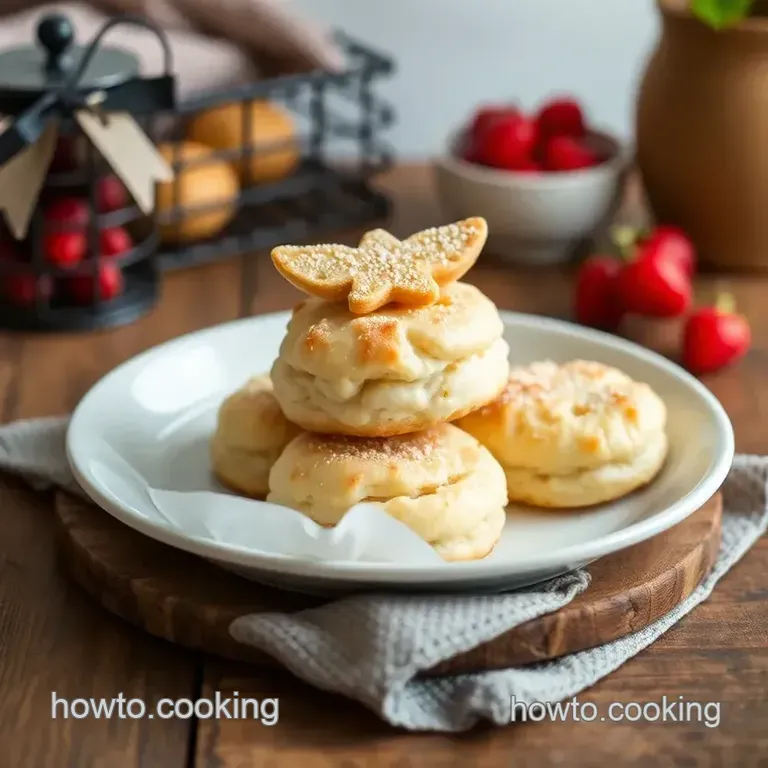
Phase 1: The Rapid Mix
- In a large mixing bowl, whisk together the all purpose flour, granulated sugar, instant yeast, baking powder, baking soda, and salt.
- Use your fingertips or a pastry cutter to incorporate the chilled cubed butter and vegetable shortening until the mixture resembles coarse crumbs. Note: To keep the butter from melting, ensure you have pea sized lumps.
- Stir in the frothy egg white and warm buttermilk until a shaggy dough forms. Stop as soon as the flour is moistened to prevent overmixing.
Phase 2: Shaping the Clouds
- Move the dough onto a surface lightly dusted with flour.
- Using your palms, gently pat the dough to a 1 inch thickness. Note: Avoid using a rolling pin, as it can crush the air bubbles.
- Press a 2.5 inch biscuit cutter straight down without twisting. King Arthur Baking recommends skipping the twist to keep the edges open for a superior rise.
- Place the biscuits on a baking sheet or a prepared cast iron skillet so they are just barely touching.
Phase 3: The Golden Bake
- Bake in a preheated oven at 400°F (200°C) for 12–15 minutes until the tops are pale mahogany gold.
- Immediately after removing from the oven, brush the tops with melted butter and add a pinch of flaky sea salt.
Solving Common Issues
Biscuits Stayed Flat
This usually happens because the leaveners failed. Check your yeast expiration date or make sure your baking powder isn't years old. Another culprit is twisting the cutter, which seals the sides and traps the dough, preventing it from climbing upward.
Dough Feels Too Sticky
If the dough sticks to your hands, you might have added the buttermilk too quickly or your kitchen is very warm. Sprinkle a little extra flour on your work surface and your hands. Work quickly and gently, as over kneading will make the biscuits tough.
Tops Are Too Dark
If the tops brown before the centers are cooked, your oven might be running hot. Slide a baking sheet on the rack above the biscuits to shield them from direct heat. Next time, try lowering the temp to 375°F and extending the time by 2-3 minutes.
Adjusting the Batch Size
Cutting it in half: For a smaller batch, use 1.5 cups of flour and half of everything else. Since you can't easily half an egg white, beat one egg white and use about 1.5 tablespoons of the frothy mixture. Use a smaller baking sheet and reduce the bake time by about 2 minutes.
Doubling the recipe: When making 48 biscuits, work in two separate bowls. Overcrowding a single bowl makes it harder to cut in the butter evenly, and you'll likely overwork the dough trying to incorporate the liquid.
Keep the oven temp at 400°F, but you may need to add 2-3 minutes to the timer if you have two pans in the oven at once.
Keeping Biscuits Fresh
Storage Guidelines Store these in an airtight plastic container on your counter for no more than 2 days. For longer preservation, use a freezer-safe bag and keep them frozen for up to 3 months.
Reheating Skip the microwave to avoid a rubbery consistency. Instead, warm them in a 350°F (175°C) oven for 5 minutes to restore their crispiness and heat the center.
Zero Waste Tips Instead of tossing leftover cutter scraps, gather them and pat them down to bake "rustic" biscuits. They'll be less lofty but equally delicious. Additionally, raw dough rounds can be frozen and baked directly, adding 3-5 minutes to the baking time.
Mix ins and Swaps
Flavor Twists - Honey Butter: Stir a tablespoon of honey into your melted butter before brushing the tops. This pairs great if you use Homemade Brown Sugar in the dough for a deeper caramel note. - Herbed Clouds: Add 1 teaspoon of dried rosemary or thyme to the flour mix for a savory version that goes well with soup.
Dietary Swaps - dairy free: Use a vegan butter substitute and a mix of soy milk and a splash of lemon juice to mimic buttermilk. Note: The rise might be slightly less dramatic. - Whole Wheat: Replace 1 cup of all purpose flour with white whole wheat flour.
This adds a nuttier flavor but makes the biscuit a bit denser.
What to Serve With
These are naturally versatile. For a traditional Southern breakfast, serve them with saw mill gravy and poached eggs. The airy texture is a great vehicle for soaking up thick sauces.
If you're looking for a comforting dinner, these are a great substitute for the dough in Homemade Chicken and Dumplings, though usually, we prefer them on the side of a creamy stew.
For a sweet treat, split them open and add a dollop of strawberry jam and a smear of salted butter. Because they aren't overly sweet, they balance out rich preserves without becoming cloying.
Recipe FAQs
How to make biscuits from scratch?
Whisk flour, sugar, yeast, baking powder, soda, and salt together. Cut in butter and shortening, stir in buttermilk and frothy egg white, then bake at 400°F. See how this quick-mix principle works in our cheesy bread.
Is baking powder or baking soda better for biscuits?
Both are used together in this recipe for the best results. The baking soda reacts with buttermilk for lift, while baking powder provides additional vertical height.
Do they make low calorie biscuits?
These specific biscuits are around 120 calories each. You can reduce calories by omitting the final brush of melted butter, though it affects the flavor.
Why should I place the biscuits barely touching on the pan?
This forces the dough to grow upward rather than outward. It creates those signature tall, fluffy sides instead of wider, flatter biscuits.
Is it true that I must let the dough rise for hours since this recipe uses yeast?
That's a myth. The combination of yeast with baking powder and soda allows these to bake immediately without a long proofing time.
Light Angel Biscuits in 35 Minutes