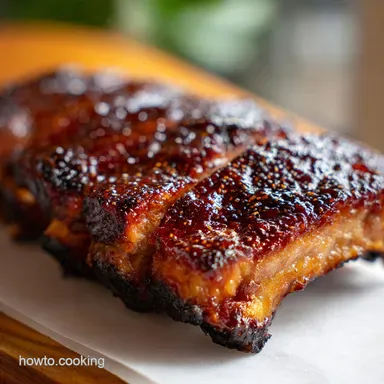
Barbecue Ribs: Failure-Proof and Tender
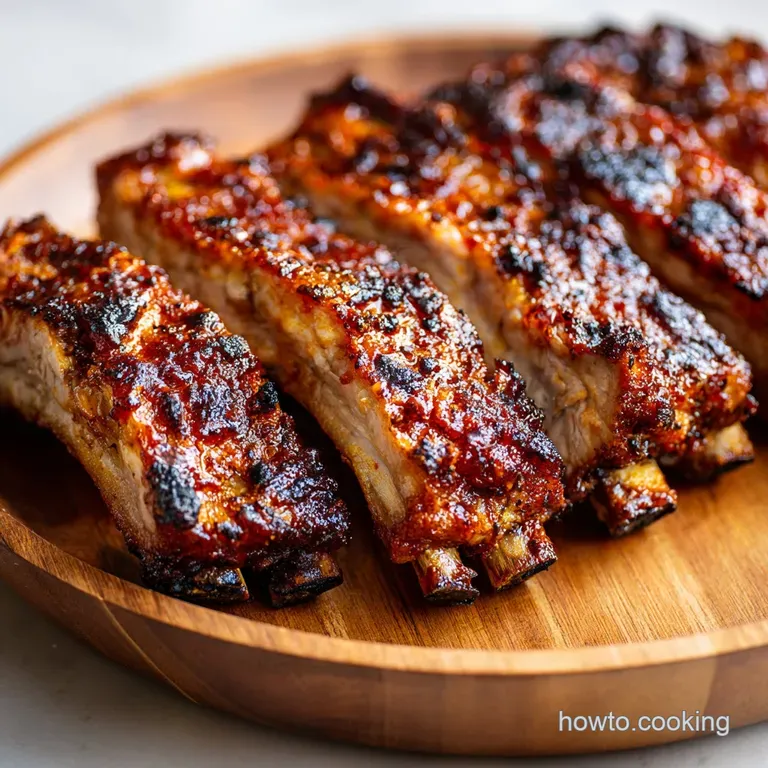
- Time:20 minutes active + 3 hours cooking = Total 3 hours 50 mins
- Flavor/Texture Hook: Sticky, caramelized glaze with meat that slides off the bone
- Perfect for: Family gatherings or a slow Sunday dinner
- Achieving Tender, Sticky Barbecue Ribs Every Time
- Why the Low Heat Method Actually Works
- Choosing Your Preferred Cooking Path
- Breaking Down the Ingredient Components
- Everything You Need for These Ribs
- The Essential Tool Kit
- Step-by-Step Instructions for Success
- Fixing Common Rib Problems
- Adjusting the Portion Size
- Truths About Rib Cooking
- Storage and Zero Waste Guidelines
- The Best Sides for Your Feast
- Critical Sodium Level
- Recipe FAQs
- 📝 Recipe Card
Achieving Tender, Sticky Barbecue Ribs Every Time
The smell of smoked paprika and molasses hitting a hot grill is, for me, the smell of summer. It takes me back to those huge family reunions in the American South, where the pits were always smoking and the ribs were the main event.
There's something about that tradition, this slow, patient way of cooking, that turns a simple piece of pork into a centerpiece. It's not just about the food, it's about the anticipation that builds up over several hours while the meat transforms.
Growing up, I saw how different regions fought over their styles. You had the vinegary tang of the Carolinas and the thick, sweet sauces of Kansas City. I spent a lot of time trying to figure out how to get that professional pit master result in a regular home kitchen.
I realized that you don't need a giant offset smoker to get that result, you just need to respect the temperature and the moisture.
Right then, let's get into it. This approach gives you that same "fall off-the bone" feel without needing a backyard full of hickory logs. We're going to use a slow bake method to tenderize the meat and a over high heat finish to get that charred, sticky crust that makes these ribs so addictive.
Trust me on this, the patience pays off.
Why the Low Heat Method Actually Works
I used to think higher heat meant faster tenderness, but it's actually the opposite. If you rush ribs, they turn into rubber. Here is what's happening inside the oven:
- Collagen Breakdown: Low heat slowly melts the tough connective tissues (collagen) into gelatin, which creates that velvety mouthfeel.
- Moisture Retention: Wrapping the meat in foil creates a steam chamber, preventing the ribs from drying out during the long cook.
- Sugar Fusion: The rub penetrates the meat over time, while the final over high heat glaze caramelizes the sugars for a tacky finish.
- Acid Tenderization: The vinegar in the sauce breaks down protein structures, adding a bright contrast to the heavy fats.
Choosing Your Preferred Cooking Path
Before we dive into the ingredients, you might be wondering if the oven is the only way. Depending on your schedule and gear, you can pivot.
| Method | Time | Texture | Best For |
|---|---|---|---|
| Oven Bake | 3 hours 50 mins | Consistent & tender | Predictable results |
| Slow Cooker | 6-8 hours | Very soft/shreddy | "Set it and forget it" |
| Grill/Smoker | 5-6 hours | Smoky & firm bark | Authentic outdoor flavor |
Since we're focusing on the oven method, it's the most reliable way to ensure you don't dry out the meat while still getting that great crust.
Breaking Down the Ingredient Components
I don't just throw spices together; there's a reason for every gram here. When you understand the role of the ingredient, you can start tweaking the flavors to your own liking.
| Ingredient | Science Role | Pro Secret |
|---|---|---|
| Brown Sugar | Caramelization | Use dark brown sugar for a deeper, molasses like flavor |
| Apple Cider Vinegar | PH Balance | Cuts through the richness of the pork fat |
| Smoked Paprika | Aroma Profile | Provides a "faux smoke" flavor without a smoker |
| Molasses | Viscosity | Gives the sauce its thick, clingy texture |
Everything You Need for These Ribs
For the dry rub, we're keeping it classic and bold. For the sauce, we're building a balance of sweet, tart, and savory.
The Dry Rub
- 100g brown sugarWhy this? Base for caramelization
- 16g smoked paprikaWhy this? Earthy, smoky depth
- 8g garlic powderWhy this? Savory punch
- 8g onion powderWhy this? Natural sweetness
- 6g black pepperWhy this? Subtle heat
- 6g saltWhy this? Flavor enhancer
- 2g cayenne pepperWhy this? Tiny bit of kick
- Substitute: Use coconut sugar instead of brown sugar for a refined-sugar-free option, though it's less "syrupy".
The Homemade Sauce
- 240ml ketchupWhy this? Tomato base
- 60ml apple cider vinegarWhy this? Bright acidity
- 42g molassesWhy this? Deep, dark sweetness
- 30ml Worcestershire sauceWhy this? Umami boost
- 15g honeyWhy this? Glossy finish
- 5g smoked paprikaWhy this? Ties rub and sauce together
- Substitute: Maple syrup can replace honey for a more autumnal, woody flavor.
The Protein - 3 lbs pork baby back ribs - Substitute: St. Louis style ribs work too, but they are meatier and may need an extra 30 minutes of bake time.
If you want a different flavor profile for your rub, you can check out my Holy Cow BBQ Rub for a more intense spice blend.
The Essential Tool Kit
You don't need a professional kitchen, but a few specific tools make this way easier. Honestly, don't even bother with parchment paper here - you need the seal of foil.
- Heavy Duty Aluminum Foil: The cheap stuff tears. Get the thick stuff so your juices don't leak.
- Butter Knife: Perfect for getting under the silverskin.
- Paper Towels: Essential for gripping that slippery membrane.
- Basting Brush: A silicone brush is best for layering the sauce without it dripping everywhere.
- Meat Thermometer: While we use visual cues, a thermometer ensures you've hit that internal sweet spot.
- Baking Sheet: To catch any stray drips during the final broil.
Step-by-step Instructions for Success
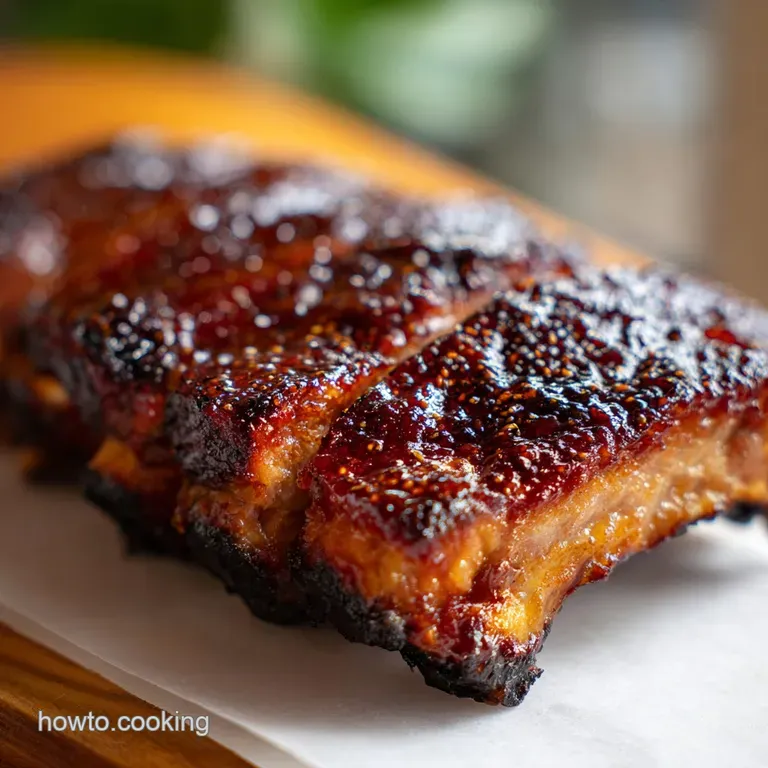
Let's crack on. Follow these steps closely, especially the resting period and the foil wrap.
- Remove the membrane. Slide a butter knife under the silverskin on the back of the ribs. Grip it firmly with a paper towel and peel it off completely. Note: This allows the rub to actually touch the meat instead of sitting on a leather like skin.
- Apply the rub. Coat the ribs generously with the dry rub, massaging it into every crevice on both sides.
- Rest the meat. Let the rubbed ribs sit for 30 minutes at room temperature. Note: This allows the salt to penetrate the muscle fibers, ensuring they are seasoned deep inside.
- Seal the packet. Wrap the ribs tightly in a double layer of aluminum foil. Make sure it's a sealed packet to trap all the steam.
- The slow bake. Place them in a 275°F (135°C) oven for 2.5 to 3 hours. Cook until the meat has retracted from the ends of the bones by about half an inch.
- Unwrap. Carefully remove the ribs from the foil. Be mindful of the hot steam escaping.
- Apply first glaze. Place ribs on a grill over medium high heat or under an oven broiler. Brush a thick layer of barbecue sauce over the top.
- Sear the sauce. Grill or broil for 3-5 minutes per side until the sauce is bubbling and sizzling.
- Layer the flavor. Repeat the glazing process 2-3 times. Continue until a tacky, caramelized crust forms.
Fixing Common Rib Problems
Even the best of us have those moments where the ribs just aren't behaving. Usually, it comes down to temperature or timing.
Why Your Ribs Stay Tough
If the meat is resisting the bone, you simply haven't broken down the collagen. This happens if the oven temperature was too high (causing the meat to tighten) or if you pulled them out too early. The "bone pull" is the only reliable indicator here.
Why Your Sauce is Burnt
Sugar burns fast. If your broiler is too close to the meat, the sauce will turn black before it gets tacky. Move the rack down one level and brush more frequently rather than leaving one thick layer to burn.
| Problem | Root Cause | Solution |
|---|---|---|
| Dry Meat | Overcooked or poor foil seal | Double wrap foil; check temp every 30 mins |
| Sauce Slid Off | Sauce too thin or not reduced | Simmer sauce longer before brushing |
| Rub is Gritty | Sugar didn't melt | Ensure ribs rested 30 mins before baking |
Mistakes to Avoid Checklist
- ✓ Never skip removing the membrane (it makes the ribs chewy).
- ✓ Don't use a thin foil; it will leak and your ribs will steam instead of braise.
- ✓ Avoid using a high oven temp (above 300°F) for the first 3 hours.
- ✓ Don't apply sauce too early; sugar burns before the meat is tender.
- ✓ Let the meat rest for 10 minutes after the final glaze before slicing.
Adjusting the Portion Size
Whether you're feeding a crowd or just yourself, you can scale this. Just remember that meat doesn't scale linearly when it comes to oven space.
Scaling Down (1-2 people) If you're using a half rack, reduce the cook time by about 20%. Use a smaller foil packet to keep the steam concentrated. I'd suggest beating one egg if you were doing a breading, but here, just halve the rub and sauce quantities.
Scaling Up (Large groups) When doing 3-4 racks, don't overcrowd the oven. Leave space between the foil packets for air to circulate. I only increase the salt and spices to 1.5x, not 4x, as the flavors concentrate during the slow bake. Work in batches for the final glazing step so the broiler stays hot.
If you're planning a massive BBQ feast and want a different main, you might consider my Bake Juicy Spare Ribs for a different style of pork.
Truths About Rib Cooking
There are a few things people always say about BBQ that just aren't true. Let's set the record straight.
Searing seals in juices You'll hear this a lot, but it's a myth. Searing the meat at the start doesn't "lock" anything in; moisture loss happens throughout the entire process. The crust is for flavor and texture, not for moisture control.
The "Bend Test" is absolute Some people swear by lifting the ribs with tongs to see if they crack. While helpful, it's not a rule. The bone retraction (meat pulling back) is a much more consistent visual cue for home cooks.
Storage and Zero Waste Guidelines
Don't let a single bit of this go to waste. Ribs are one of those rare dishes that actually taste better the next day.
Storage Store leftover ribs in an airtight container in the fridge for up to 4 days. To reheat, avoid the microwave if you can. Put them in a 300°F (150°C) oven wrapped in foil for 15 minutes, then give them a quick broil to bring back the tackiness of the sauce.
Freezing You can freeze cooked ribs for up to 3 months. Wrap them tightly in foil and then a freezer bag. Thaw in the fridge overnight before reheating in the oven.
Zero Waste Do not throw away the rib bones! After you've eaten, toss the bones into a pot with an onion, a carrot, and some water. Simmer for 4 hours to create a rich, smoky pork stock. This stock is a fantastic base for a hearty stew or a pork based ramen.
The Best Sides for Your Feast
Ribs are heavy, fatty, and sweet, so you need sides that provide a sharp contrast. Think acidity and freshness to cut through the richness.
Tangy Pairings A vinegar based coleslaw is the classic choice for a reason. The raw cabbage provides a crunch that contrasts the velvety meat, and the vinegar cleanses the palate between bites.
Hearty Classics For something more filling, go with a baked mac and cheese or cornbread with honey butter. These complement the sweetness of the barbecue sauce without overpowering it.
Fresh Additions A crisp cucumber salad with red onions and a light vinaigrette works wonders. It keeps the meal from feeling too "heavy" and adds a brightness that makes the smoked paprika in the ribs pop.
Critical Sodium Level
1509 mg 1,509 mg of sodium per serving (66% 66% of daily value)
The American Heart Association recommends a daily sodium limit of no more than 2,300 mg, and an ideal limit of 1,500 mg for most adults to reduce cardiovascular risk.
Tips to Reduce Sodium in Your Ribs
-
Eliminate Added Salt-25%
Remove or halve the 6g of added salt. The other sauces already provide significant sodium, making extra salt unnecessary.
-
Swap Worcestershire Sauce-20%
Replace the Worcestershire sauce with a low-sodium alternative or coconut aminos to maintain the savory depth with less salt.
-
Low-Sodium Ketchup-20%
Substitute the 240ml of ketchup with a no-salt-added version or a homemade blend of tomato paste and apple cider vinegar.
-
Enhance with Spices
Increase the amount of smoked paprika, garlic powder, and black pepper to create a bold flavor profile that reduces the need for salt.
Recipe FAQs
What is the best way to make barbecued ribs?
Rub the meat, wrap tightly in double foil, and bake at 275°F for 2.5 to 3 hours. This process traps steam to tenderize the pork before finishing with a high-heat glaze.
What is the best method for cooking ribs?
Combine low-and-slow oven roasting with a final grill or broil. Baking at a low temperature ensures the meat is tender, while the high-heat finish caramelizes the barbecue sauce into a tacky crust.
Do pork ribs have a lot of collagen?
Yes, they are rich in collagen. This connective tissue breaks down into gelatin during the slow cooking process, which provides the characteristic moist and tender texture.
Should I bake ribs at 275 or 300?
Stick with 275°F. This lower temperature prevents the meat from tightening up too quickly and ensures it reaches the desired tenderness without drying out.
Is it true that removing the membrane is optional?
No, this is a common misconception. Removing the silverskin is critical because it allows the dry rub to penetrate the meat rather than sitting on a tough, leather-like barrier.
How to reheat leftover ribs?
Wrap the ribs in foil and heat in a 300°F oven for 15 minutes. Finish them under the broiler for a minute or two to restore the caramelized texture of the sauce.
What should I serve with barbecue ribs?
Serve them with grilled vegetables or a hearty side. These ribs pair perfectly with smoky lemon vegetable kebabs for a balanced BBQ meal.
Barbecue Ribs for 6 Servings: Slow-Cooked, Tender and Sticky