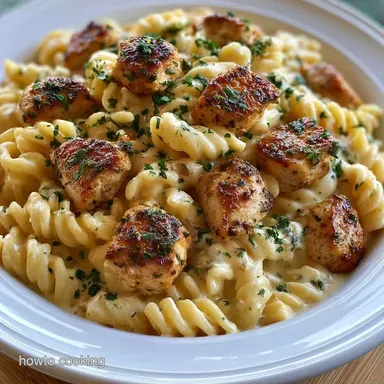
Cream Cheese Chicken Pasta: Rich and Glossy
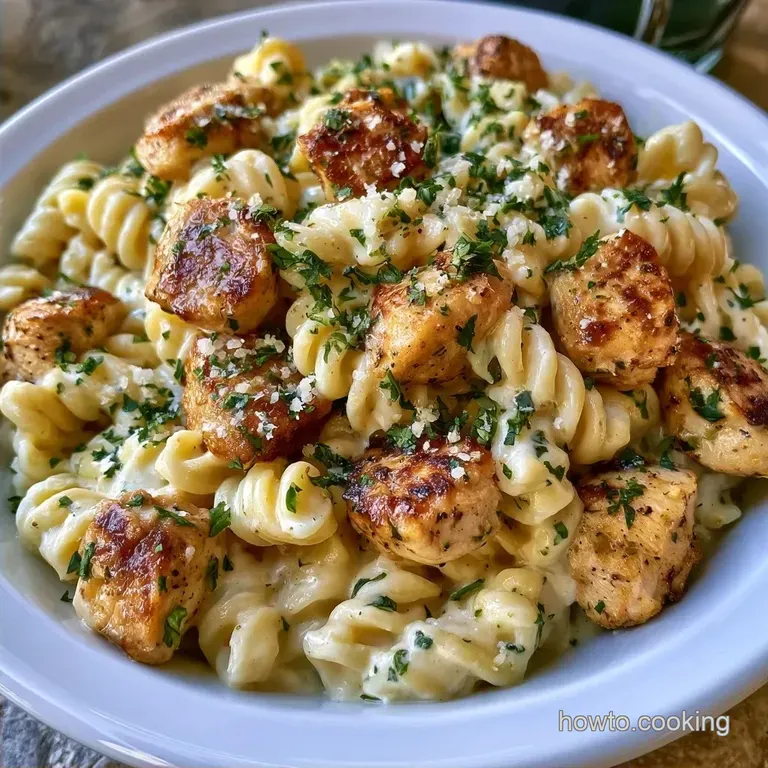
- Time: 10 min active + 20 min cooking
- Flavor/Texture Hook: Rich, tangy, and glossy
- Perfect for: Busy weeknight dinner
Have you noticed how some cream sauces taste bland and heavy, while others have a zesty brightness that makes them irresistible? I once believed that achieving that thick, professional consistency required a complex roux or loads of butter.
However, switching the usual heavy cream for a more robust, punchy ingredient changed everything.
The first time I experimented with this, I worried that mixing cream cheese and chicken would result in a clumpy disaster. Instead, it created the most satisfying bowl of pasta I've enjoyed in ages, all while being far more affordable than delivery.
The secret to this Cream Cheese Chicken Pasta is pairing the creamy richness with the natural starch of the noodles. This ensures a glossy sauce that coats every single piece of penne rather than settling at the bottom.
Cream Cheese Chicken Pasta
Full Fat Cheese: The fat keeps the sauce from splitting, which happens often with low-fat versions. It creates a cohesive, mirror smooth texture.
Searing First: Browning the chicken in butter and oil creates a crust. This adds a savory depth that boiling or poaching just can't match.
Starch Bond: Using the reserved pasta water helps the sauce grip the noodles. It acts as a bridge between the fats and the pasta.
Shopping List Breakdown
You don't need fancy ingredients for this dish; most are basic pantry staples. Just be sure to use full-fat cream cheese, as lower-fat versions tend to become grainy when heated.
I suggest boneless breasts for a quicker cook, though thighs are a great choice if you prefer a juicier result. For another recipe with a similar flavor profile but a crunchy exterior, try my Parmesan Crusted Chicken.
- 1.5 lbs boneless skinless chicken breasts, cubed into 1 inch pieces Pro tip: Consistent sizes cook uniformly
- 2 tbsp unsalted butter Pro tip: Creates richness and better browning
- 1 tbsp olive oil Pro tip: Stops the butter from scorching
- 3 cloves garlic, minced Pro tip: Fresh garlic is far more aromatic than jarred
- 8 oz full fat cream cheese, softened and cubed Pro tip: Ensures a smooth, quick melt
- 1 cup heavy cream Pro tip: Forms the creamy base of the sauce
- 1/2 cup grated Parmesan cheese Pro tip: Adds a savory, nutty finish
- 1/2 cup reserved pasta water Pro tip: Adjusts consistency without losing taste
- 1 tsp paprika Pro tip: Gives the meat a golden color
- 1 tsp salt Pro tip: Essential for basic seasoning
- 1/2 tsp cracked black pepper Pro tip: Adds a touch of warmth
- 2 tbsp fresh parsley, chopped Pro tip: Balances out the richness
- 12 oz penne or rigatoni pasta Pro tip: Ridged shapes grip the sauce better
Smart Swaps
- Heavy Cream: Substitute with whole milk and 1 tbsp cornstarch for a lighter option.
- Parmesan: Pecorino Romano is a good alternative, though it is saltier.
- Penne: Any short pasta, such as fusilli or farfalle, works well.
- Chicken Breasts: Thighs provide more flavor but contain more fat.
Essential Recipe Specs
This is a fast meal. You can realistically have this on the table in 30 minutes. Because we use one pan for the chicken and sauce, the cleanup is minimal.
| Metric | Detail |
|---|---|
| Prep Time | 10 minutes |
| Cook Time | 20 minutes |
| Total Time | 30 minutes |
| Servings | 6 people |
The richness comes from the combination of cream cheese and Parmesan. If you're serving this to kids, the mild tang of the cream cheese usually makes it a hit.
Tools You'll Need
Keep things simple with the equipment. A large skillet is the main tool for this dish. A lid is recommended, though not absolutely necessary.
- Large skillet (12 inch preferred)
- Large pot for boiling pasta
- Colander
- Whisk or wooden spoon
- Chef's knife and cutting board
Chef's Note: Avoid overcrowding the pan, as this causes the chicken to steam instead of sear. If your skillet is too small, work in two batches to achieve that golden brown crust.
Bringing It Together
Let's start preparing the Cream Cheese Chicken Pasta. To ensure the chicken remains juicy, keep it separate from the sauce until the final step.
Phase 1: Searing the Protein
- Season the cubed chicken with paprika, salt, and pepper.
- Using a large skillet on medium-high heat, warm up some olive oil and 1 tbsp of butter.
- Place chicken in a single layer. Sear without moving for 3-4 minutes until well-browned, then flip and cook until no longer pink.
- Transfer the chicken to a plate so it doesn't overcook.
Phase 2: Building the Base
- Reduce the heat to medium. In that same skillet, melt another tablespoon of butter and stir in the minced garlic for 30 seconds until aromatic.
- Mix in the cream cheese cubes, whisking constantly until they melt into a thick consistency.
- Gradually whisk in the heavy cream until the mixture is smooth and begins to simmer gently.
- Stir in the Parmesan cheese until it is completely melted and the sauce looks glossy.
Phase 3: The Final Merge
- Cook the pasta in salted water. Drain, but keep half a cup of the starchy water.
- Combine the seared chicken and cooked pasta into the sauce, stirring in the reserved water as needed to achieve a creamy consistency that coats every noodle.
- Top with fresh chopped parsley and serve.
Avoiding Kitchen Disasters
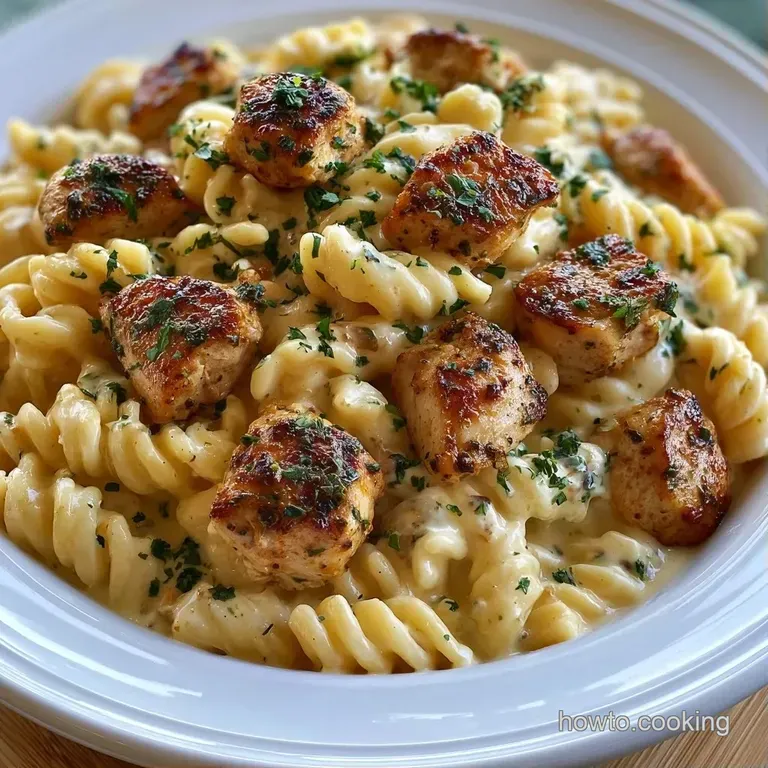
When fixing your Cream Cheese Chicken Pasta, the most common issues involve the texture of the sauce. Since we're working with high fat dairy, temperature control is everything.
Fixing a Grainy Texture
This usually happens if the cream cheese was added to a pan that was too hot or if you used a low-fat substitute. The proteins clump together instead of melting. To fix it, whisk in a tablespoon of warm pasta water or a splash of cream over very low heat.
When the Sauce is Too Thick
Pasta absorbs liquid quickly. If the dish looks more like a paste than a pasta, don't add more cream. Use that reserved pasta water. It thins the sauce while keeping it silky.
Handling Overcooked Chicken
If the chicken feels rubbery, it's because it stayed in the pan too long. Always remove the meat as soon as it's opaque. It will finish cooking in the residual heat of the sauce.
| Problem | Fix |
|---|---|
| Grainy sauce | Whisk in warm pasta water on low heat |
| Too thick | Add reserved pasta water 1 tbsp at a time |
| Rubbery chicken | Remove meat immediately once opaque |
Adjusting the Portion Size
Adjusting the yield of this Cream Cheese Chicken Pasta is easy, though you shouldn't simply multiply every ingredient.
Scaling down the recipe Switch to a smaller skillet (8-10 inch). Because there is less volume to heat, lower the sauce's simmering time by roughly 20%. For the eggless base, divide the cream cheese and cream amounts by two.
Scaling up the recipe Avoid doubling the salt and paprika immediately; start with 1.5x and adjust to taste. Brown the chicken in three separate batches. Crowding the pan with 3 lbs of meat causes it to release too much moisture and boil rather than sear.
The sauce typically reduces slightly when doubled. I recommend decreasing the total heavy cream by about 10% and using pasta water to fix the thickness at the end.
| Goal | What to change |
|---|---|
| Lighter meal | Swap heavy cream for whole milk + cornstarch |
| More punch | Add 1 tsp lemon juice at the end |
| Extra heartiness | Add 1 cup of steamed broccoli or peas |
Store and Keep Fresh
Store any remaining Cream Cheese Chicken Pasta in the fridge for up to 3 days. To keep the noodles from drying out, make sure they are kept in a tightly sealed container.
Don't be alarmed if the sauce has thickened into a solid mass before reheating; this is completely normal. Just stir in a bit of milk or water before microwaving. To keep the sauce from splitting, heat it in 30-second intervals, stirring in between.
This dish should not be frozen. The heavy cream and cream cheese often separate when frozen and thawed, which results in a grainy, oily texture.
To reduce waste, incorporate any chicken scraps or the parsley stems. I like to finely chop the stems and sauté them with the garlic to introduce an extra layer of herbal flavor.
Best Side Pairings
Because your Cream Cheese Chicken Pasta is so rich, you need something acidic or fresh to balance the plate. A simple arugula salad with lemon vinaigrette is the best choice. The bitterness of the greens cuts right through the cream.
Steamed asparagus or roasted Brussels sprouts also work well. If you want something more filling, a piece of toasted garlic sourdough is great for mopping up the remaining sauce.
For those who love this style of sauce, you might enjoy a simpler version. My Sauce in 15 Minutes recipe is a great way to use up the rest of a cream cheese block without needing the chicken.
Tweaks and Swaps
There are plenty of ways to change up variations for Cream Cheese Chicken Pasta depending on what's in your fridge.
The Baked Version Turn this into a Cream Cheese Chicken Pasta Bake by transferring the finished mixture to a baking dish. Top with extra mozzarella and breadcrumbs, then broil for 3-5 minutes until the top is bubbling and brown.
The Slow Cooker Method For a Slow Cooker Cream Cheese Chicken Pasta, place the cubed chicken, garlic, and paprika in the pot. Cook on low for 4 hours. Stir in the cream cheese, cream, and Parmesan during the last 30 minutes.
Boil the pasta separately and fold it in at the end.
The Tomato Twist Add 2 tablespoons of tomato paste when you're sautéing the garlic. This creates a pink, tangy sauce that feels like a hybrid between an Alfredo and a Vodka sauce.
Fresh vs. Shortcut Comparison Using fresh ingredients makes a difference, but shortcuts can save a busy parent's sanity.
| Component | Fresh Method | Shortcut Method |
|---|---|---|
| Garlic | Freshly minced | Garlic powder (1/2 tsp) |
| Parmesan | Freshly grated | Pre shredded (use more) |
| Parsley | Fresh leaves | Dried parsley (1 tsp) |
A Note on Myths
You'll often hear that searing meat "seals in the juices." This isn't true. Moisture loss happens regardless of how you cook the meat. The real reason we sear the chicken is for the flavor, the browning creates a complex taste that makes the dish feel more professional.
High in Sodium
980 mg 980 mg of sodium per serving (43% 43% of daily value)
The American Heart Association recommends a daily limit of no more than 2,300 mg of sodium, with an ideal limit of 1,500 mg for most adults to reduce cardiovascular risk.
Tips to Reduce Sodium
-
Omit Added Salt-25%
Remove the 1 tsp of salt entirely. The Parmesan and cream cheese already contribute significant sodium and savory flavor.
-
Reduce Parmesan-15%
Decrease the grated Parmesan cheese to 1/4 cup or use a reduced-sodium variety to lower the salt content.
-
Low-Sodium Cream Cheese-10%
Substitute the full-fat cream cheese with a low-sodium version or replace half of it with unsalted ricotta cheese.
-
Unsalted Pasta Water-5%
Boil your pasta in unsalted water before reserving the liquid for your sauce to avoid adding hidden sodium.
-
Enhance with Aromatics
Increase the paprika or add a squeeze of fresh lemon juice and more black pepper to brighten the flavor without salt.
Recipe FAQs
How to make creamy chicken pasta with cream cheese?
Melt cubed cream cheese into a garlic-butter base, then whisk in heavy cream and Parmesan.
Tip: Reserve a half-cup of starchy pasta water to emulsify the sauce at the end.
What can I make with chicken and cream cheese?
This combination is ideal for a rich pasta dish or a savory baked casserole.
Tip: For a lighter alternative to this creamy style, try a pesto pasta.
Why use reserved pasta water in the sauce?
Starch in the water binds the fats to the noodles for a glossy finish.
Tip: Stir the water in gradually until the sauce reaches your preferred thickness.
Is it true that low-fat cream cheese creates the same creamy texture?
No, and here's why. low-fat versions often grain up or separate when exposed to high heat.
Tip: Stick to full-fat blocks for a mirror-smooth result.
Which pasta shapes work best for this rich sauce?
Penne or rigatoni are best because their ridges and holes capture the thick sauce.
Tip: Boil your pasta in salted water to ensure the noodles are seasoned throughout.
Does boiling the chicken instead of searing it provide better flavor?
This one's false: searing the meat creates a golden-brown crust that adds essential savory depth.
Tip: Cook the chicken undisturbed for 3-4 minutes to develop that crust.
What's the fix for a sauce that is too thick?
Stir in small amounts of the reserved pasta water until the desired consistency is reached.
Tip: Keep the heat on medium to prevent the sauce from breaking while adjusting.
Cream Cheese Chicken Pasta in 30 Minutes