Velvety Cream Cheese Sugar Cookies
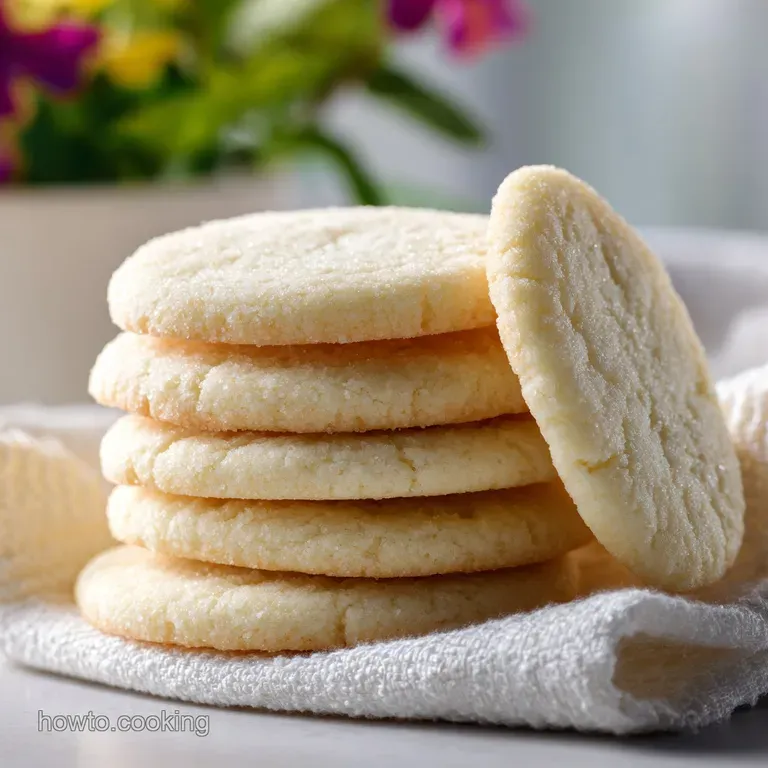
- Time: Active 20 minutes, Passive 1 hour 10 mins, Total 1 hour 30 mins
- Flavor/Texture Hook: Tangy, velvety, and soft baked
- Perfect for: Holiday cookie platters or beginner bakers wanting fail proof results
- Soft and Tangy Cream Cheese Sugar Cookies
- Essential Stats for Your Batch
- Science Behind the Velvety Crumb
- Tools for a Smooth Dough
- Step by Step Baking Guide
- Fixes for Common Baking Mistakes
- Ingredient Swaps and Pantry Alternatives
- Tips for Storing Your Cookies
- Presentation Ideas for Sweet Treats
- Troubleshooting Your Cookie Results
- Recipe FAQs
- 📝 Recipe Card
Soft and Tangy Cream Cheese Sugar Cookies
Have you ever pulled a tray of cookies out of the oven only to have them turn into dry, flavorless hockey pucks twenty minutes later? It is a total heartbreak, especially when you have spent time and money on ingredients.
For years, I struggled with the traditional cutout style because they were either too crunchy or so soft they fell apart. I wanted something that felt substantial but melted away the moment you took a bite.
The solution turned out to be sitting right in my fridge, a simple block of full fat Philadelphia Cream Cheese. By adding just 85g of cream cheese to the batter, we change the entire structural DNA of the cookie.
It adds a subtle tang that balances out the 300g of granulated sugar, making the flavor profile much more complex than your standard sugar heavy treat. It is a wholesome way to get that professional bakery texture without needing fancy additives or expensive emulsions.
If you are looking for a reliable, budget friendly bake that yields a massive batch of 27 cookies, you are in the right place. We are going to use basic pantry staples like King Arthur All Purpose Flour and unsalted butter to create something that looks like it came from a high end boutique.
Trust me, once you try this method, you will never go back to the butter only versions. Ready to get your hands in some dough?
Essential Stats for Your Batch
Before we start mixing, let's look at the logistics. These metrics ensure you aren't guessing your way through the process. Precision is your best friend when it comes to consistent baking, and I want you to feel total confidence when you turn on that oven.
| Metric | Detail |
|---|---|
| Yield | 27 cookies (approx 38g each) |
| Bake Temp | 175°C (350°F) |
| Chilling Time | 1 hour minimum |
| Texture | Soft, velvety, non spreading |
Precision Checkpoints for Success
- Butter and Cheese Temperature: Ensure both your 226g of butter and 85g of cream cheese are between 18-20°C. If they are too warm, the dough will be greasy, if too cold, they won't emulsify.
- Dough Thickness: Roll your dough to exactly 6mm (1/4 inch). This thickness is the sweet spot for that pillowy interior.
- The "Set" Look: Take them out the second the edges look matte. If they turn brown, you've gone too far and lost that signature softness.
Science Behind the Velvety Crumb
Understanding the "why" behind your ingredients makes you a better cook. It isn't just about following a list, it is about managing a chemical reaction. When we mix these specific fats, we are creating a stable environment for the flour to shine.
- Acidic Stabilization: The lactic acid in the cream cheese weakens gluten bonds, ensuring the cookies stay tender rather than chewy or tough.
- Fat Emulsification: Combining butter and cream cheese creates a denser fat structure that prevents the 300g of sugar from causing the cookies to spread too thin.
- Moisture Retention: The proteins in the 85g of cream cheese bind to water molecules, which keeps the cookies moist for days after baking.
- Leavening Control: Using 1 tsp of baking powder instead of soda provides a gentle lift without the metallic aftertaste, keeping the flavor clean.
Component Analysis and Pro Secrets
| Ingredient | Science Role | Pro Secret |
|---|---|---|
| Unsalted Butter | Provides flavor and fat for the Maillard reaction | Use cool butter to keep air pockets small for a dense, velvety crumb. |
| Cream Cheese | Acts as an emulsifier and adds structural moisture | Block cheese is essential, the tub variety has too much air and water. |
| All Purpose Flour | Provides the protein framework (gluten) | Spoon and level your 435g of flour to avoid a dry, crumbly dough. |
| Light Corn Syrup | Prevents sugar crystallization in the glaze | This is the secret to a high shine finish that doesn't crack. |
The science here is similar to what I discuss in my Classic Cream Wafer recipe, where fat ratios dictate the final "snap" or "softness" of the biscuit. By mastering this emulsion, you gain the confidence to tackle any dough.
Tools for a Smooth Dough
You don't need a thousand dollar kitchen to make superb Cream Cheese Sugar Cookies, but a few specific tools make the job much easier. I always reach for my KitchenAid Stand Mixer because it handles the thick dough without straining the motor.
- KitchenAid Stand Mixer: Using the paddle attachment is the most efficient way to cream the fats without incorporating too much air.
- Silpat Silicone Mat: This prevents the bottoms from browning too quickly, which is vital for keeping that wholesome, pale look.
- Adjustable Rolling Pin: One with 6mm rings ensures every single cookie is the exact same height for even baking.
- Lodge Cast Iron Pan (Optional): If you aren't doing cutouts, you can press this dough into a seasoned skillet for a "giant cookie" effect.
- Fine Mesh Sieve: Essential for sifting your 240g of powdered sugar to ensure the glaze is silky and free of lumps.
step-by-step Baking Guide
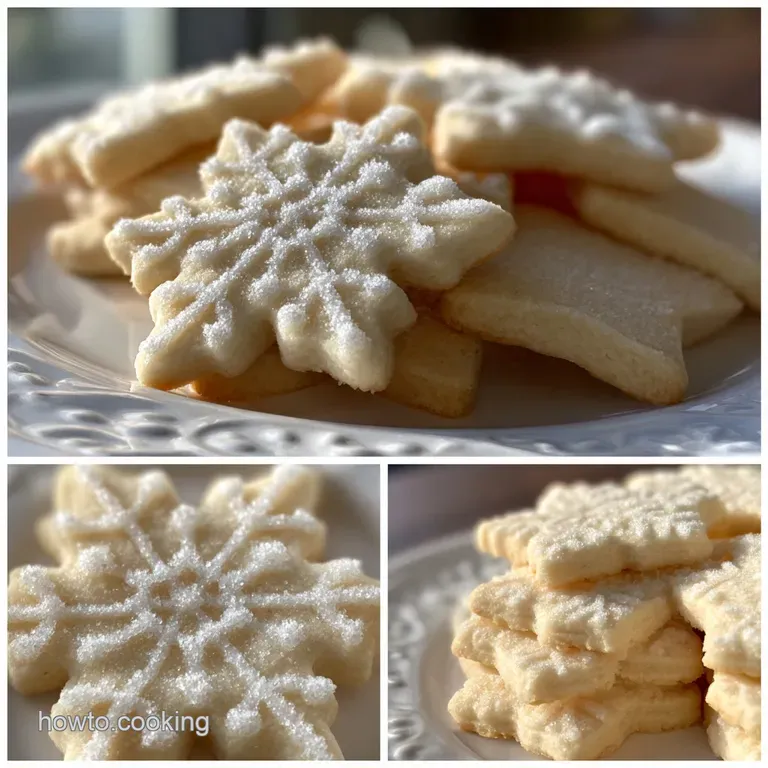
Right then, let's get to the fun part. Follow these steps closely, especially the chilling part. Don't try to rush it, the dough needs time to hydrate.
- Cream the fats. Beat 226g unsalted butter and 85g cream cheese together in your KitchenAid. Note: Continue for 2 minutes until the mixture looks like pale frosting.
- Add sugar. Pour in 300g granulated sugar and beat on medium high. Note: You want the sugar to partially dissolve into the fats.
- Incorporate liquids. Add 1 large egg, 1.5 tsp vanilla, and 0.5 tsp almond extract. Note: Scrape the sides of the bowl to ensure total integration.
- Whisk dry ingredients. In a separate bowl, stir 435g all purpose flour, 1 tsp baking powder, and 0.5 tsp sea salt. Note: This prevents clumps of salt or leavener in your cookies.
- Combine slowly. Add the flour mixture to the wet ingredients in three stages. Stop mixing the moment the last white streak disappears to avoid toughening the dough.
- Chill the dough. Wrap the dough in plastic and flatten into a disk. Refrigerate for at least 1 hour until it feels firm to the touch.
- Roll and cut. Dust your surface with a little flour and roll the dough to 6mm thickness. Cut shapes quickly while the dough is still cold to keep the edges sharp.
- Bake the batch. Place cookies on a Silpat and bake at 175°C for 9-10 minutes. Remove when the tops look matte but the edges haven't browned.
- Cool completely. Let them rest on the baking sheet for 5 minutes before moving to a wire rack. Note: They are very fragile while hot.
- Glaze and set. Whisk 240g powdered sugar, 2.5 tbsp milk, and 1 tbsp corn syrup. Drizzle over cooled cookies until it flows smoothly to the edges.
Fixes for Common Baking Mistakes
Even the best of us hit a snag sometimes. I remember once forgetting to chill the dough and ended up with one giant, rectangular cookie covering the entire tray. It was still flavorful, but definitely not the elegant look I was going for.
Why Your Cookies Spread
If your cookies look like puddles, your butter was likely too warm or you over creamed the mixture. When you beat butter and sugar for too long, you incorporate air. That air expands in the oven and then collapses, causing the spread. Keep your creaming time to under 3 minutes.
Why the Bottoms Burn
This usually happens if you are using a thin, dark metal cookie sheet. These absorb heat too quickly. Switch to a heavy duty aluminum pan or use a silicone mat to create a heat barrier.
Troubleshooting Your Cookie Results
| Problem | Cause | Fix | Pro Tip |
|---|---|---|---|
| Grainy Glaze | Powdered sugar wasn't sifted | Sieve the sugar before adding milk | Add a tiny pinch of salt to the glaze to cut the sweetness. |
| Tough Texture | Over mixing the flour | Mix only until combined | Use the "pulse" setting on your mixer for the final stage. |
| Cracked Surface | Oven temperature too high | Calibrate oven with a thermometer | A lower temp (170°C) for longer can result in a smoother top. |
Chef's Note: If you find your dough getting too soft while you are cutting out shapes, pop it back in the freezer for 5 minutes. Cold dough equals sharp, clean edges every single time.
Ingredient Swaps and Pantry Alternatives
Being budget smart means using what you have without sacrificing the quality of your Cream Cheese Sugar Cookies. You don't always need the most expensive brand of extract to get a flavorful result.
| Original Ingredient | Substitute | Why It Works |
|---|---|---|
| Unsalted Butter | Salted Butter | Works fine, just omit the extra 0.5 tsp of sea salt. |
| Almond Extract | Lemon Zest | Provides a bright, nutritious feeling citrus note. |
| Full Fat Cream Cheese | Neufchâtel Cheese | Lower fat but similar moisture. Note: Cookies may spread slightly more. |
| Light Corn Syrup | Honey or Agave | Adds shine and prevents crystals. Note: Will add a slight floral flavor. |
If you are out of cream cheese entirely, you might want to try a different base, like the one used in my Homemade Cinnamon Rolls Recipe. That dough is also incredibly forgiving and soft, though much more bread like!
Tips for Storing Your Cookies
Because of the high fat and moisture content from the 85g of cream cheese, these stay fresh much longer than standard sugar cookies. However, you still need to protect them from the air to keep that velvety bite.
- Fridge Storage: Place them in an airtight container with parchment paper between layers. They will stay fresh for up to 7 days.
- Freezing Dough: You can freeze the unbaked dough for up to 3 months. Just thaw it in the fridge overnight before rolling.
- Freezing Baked: If they are already glazed, ensure the glaze is fully set before freezing. They last about 2 months in the freezer.
- Zero Waste: If you have leftover scraps of dough that are too small for cutouts, roll them into small balls, toss them in cinnamon sugar, and bake them as "snickerdoodle" bites. No dough left behind!
Presentation Ideas for Sweet Treats
These cookies are a blank canvas. While the simple glaze is superb, you can change the vibe entirely with just a few small tweaks. This is where you can show off your flair and confidence as a home cook.
The Citrus Twist
Add the zest of one lemon to the dough and swap the milk in the glaze for fresh lemon juice. This creates a bright, flavorful treat that is perfect for spring. The acidity of the lemon complements the tang of the cream cheese beautifully.
The "Drop Style" Alternative
If you are in a rush and don't want to roll and cut, just scoop 2 tablespoon portions of dough, roll them in granulated sugar, and press them flat with the bottom of a glass. They won't be as uniform, but they will have a lovely crinkled edge and a soft center.
Serving with Style
I love serving these on a wooden board alongside some fresh berries. The wholesome look of the pale cookies against vibrant raspberries is stunning. If you're feeling fancy, a light dusting of freeze dried strawberry powder over the wet glaze adds a pop of color and a concentrated fruity punch.
Troubleshooting Your Cookie Results
Why is my dough crumbly?
This usually means there is too much flour. If you used measuring cups instead of a scale for the 435g of flour, you might have packed it too tightly. You can try kneading in a teaspoon of milk to bring it back together, but be careful not to overwork it.
Why did the glaze run off?
Your cookies were likely still warm. Even a little bit of residual heat will melt the powdered sugar and corn syrup. Wait at least 30 minutes before glazing. If the glaze is naturally too thin, add more powdered sugar one tablespoon at a time until it coats the back of a spoon.
Why are the edges brown?
Your oven might have a hot spot, or you left them in for 11-12 minutes instead of 9-10. These cookies don't behave like chocolate chip cookies they shouldn't be golden. They should look almost underbaked when you pull them out.
Stovetop vs Oven Comparison
| Feature | Oven Baked (Standard) | Stovetop (Skillet Style) |
|---|---|---|
| Texture | Uniform, soft, velvety | Crispy edges, gooey center |
| Effort | Rolling and cutting required | Press into pan and cook |
| Best For | Holiday platters and gifts | Immediate warm dessert |
- Decision Shortcut
- If you want X, do Y
- For Crispy Edges
- Use a dark metal baking sheet and bake for 12 minutes.
- For Ultra Soft Cookies
- Use a Silpat and pull them out at 8 minutes.
- For High Shine Glaze
- Don't skip the 1 tbsp of light corn syrup.
Debunking Kitchen Myths
One common myth is that you must use room temperature cream cheese. Actually, for this recipe, "slightly softened" (about 18°C) is better. If the cream cheese is too warm and mushy, it won't hold the air bubbles created during the creaming process, leading to a heavy, dense cookie.
Another myth is that all purpose flour needs to be sifted. Unless your flour is visibly clumpy or has been sitting in a damp pantry, whisking it with the baking powder and salt is more than enough to aerate it and remove lumps. Save yourself the ten minutes and just use a whisk!
By following these practical steps and understanding the science of the emulsion, you will produce a batch of cookies that people will swear came from a professional kitchen. Happy baking!

Recipe FAQs
how to make cream cheese sugar cookies?
Cream the fats first. Beat softened butter and cream cheese until light, then incorporate the sugar, followed by the egg and vanilla. Gradually add the dry ingredients (flour, leavener, salt) until just combined to maintain a tender crumb.
how to make cream cheese frosting for sugar cookies?
Yes, it is simple and uses powdered sugar. Beat room temperature cream cheese, softened butter, powdered sugar, and a splash of milk until smooth. A small amount of light corn syrup is the secret ingredient to ensure a high shine, crack free finish, much like the glaze we use on Grandma's Classic cinnamon bread recipe: A Warm & Easy Swirl.
how long do cream cheese sugar cookies last?
They last up to 7 days in the refrigerator. The high moisture content from the cream cheese helps keep them soft, but air is the enemy of texture. Store them airtight with parchment paper layers between the cookies.
how to make sugar cookies without eggs or cream cheese?
No, this recipe specifically requires both for texture. Cream cheese provides acid for tenderness, and the egg acts as a primary binder. You would need a complete recipe overhaul, perhaps looking at a purely vegan dough base if you must omit eggs.
how to make cake pops with sugar cookies and cream cheese?
Absolutely, this makes excellent cake pop material. Once the cookies are baked and cooled, crumble them finely and mix with enough cream cheese frosting (about 1 part frosting to 3 parts cookie crumbs) until a firm dough forms. Roll into balls and proceed with dipping and decorating.
how to make cream cheese cookies?
This recipe is essentially a cream cheese sugar cookie base. For a true "cream cheese cookie" that is softer and less dense than a cutout, chill the dough less, roll it thicker, and press it down with a glass instead of using cutters. Mastering the fat ratio is key to controlling the final texture, a principle I also use when balancing the dough for How to Make Homemade Cinnamon Rolls: A Family Favorite Recipe.
can you freeze cream cheese sugar cookies?
Yes, both the dough and the baked cookies are freezable. For the dough, wrap tightly and thaw overnight in the fridge before rolling out. Baked, un-iced cookies freeze well for two months in an airtight container; glaze them after thawing to prevent any freezer burn marks on the icing.
Cream Cheese Sugar Cookies
Ingredients:
Instructions:
Nutrition Facts:
| Calories | 214 calories |
|---|---|
| Protein | 2.1g |
| Fat | 8.2g |
| Carbs | 33.1g |
| Fiber | 0.4g |
| Sugar | 20.6g |
| Sodium | 68mg |
