Creamy Crack Chicken Penne
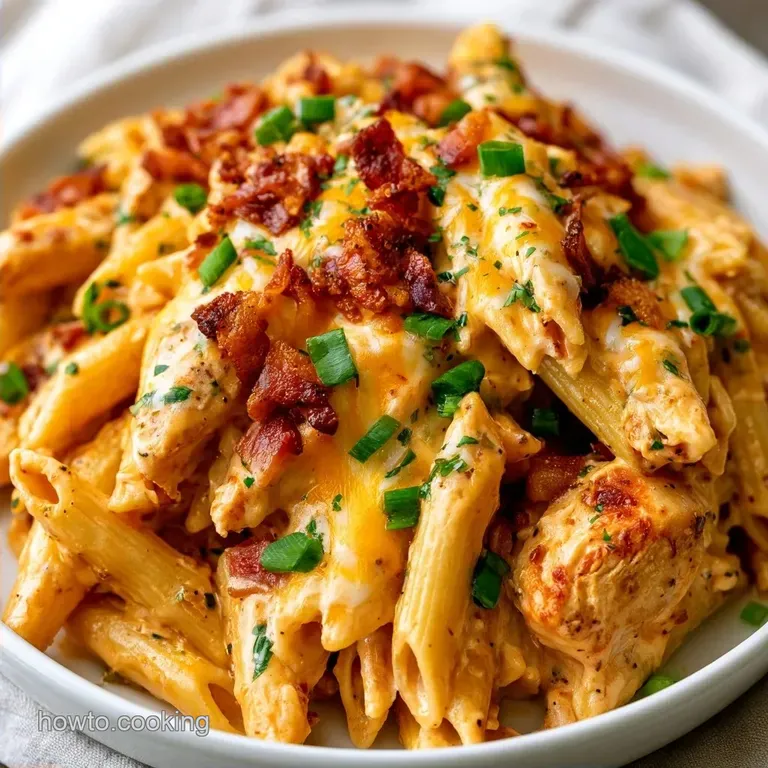
- Time: 10 min prep + 25 min cooking
- Flavor/Texture Hook: Smoky bacon mixed with a rich, glossy cheese sauce
- Perfect for: Busy weeknights or feeding a crowd of picky eaters
Easy One Pan Crack Chicken Penne
The smell of bacon hitting a hot skillet always reminds me of Friday nights at my place. It’s that specific sizzle that tells everyone dinner is finally happening. I used to make this as a slow cooker meal, but that felt like waiting forever when the kids are already hangry.
This version keeps the bold flavors but gets everything done in one pan. It's the kind of meal you serve straight from the skillet, leaning into the comfort of melted cheese and tender chicken.
You can expect a dish that's rich and satisfying. The crack chicken penne doesn't get mushy if you follow the timing, resulting in pasta that holds its shape while being drenched in a creamy ranch inspired sauce.
Quick Recipe Specs
Here is the general workflow. I treat this process as a three part sequence: preparation, simmering, and the finishing touch.
- 1. Prep (10 mins)
- Chop the chicken and bacon, then cube the cream cheese.
- 2. Sauté & Simmer (20 mins)
- Brown the proteins and let the penne cook in the broth.
- 3. Finish (5 mins)
- Stir in the bacon and cheeses to achieve a glossy glaze.
Precision Checkpoints
- Chicken Temp: Confirm the chicken reaches 165°F. Refer to the USDA safe temperature chart for different meat cuts.
- Pasta Timer: Simmer for exactly 12-15 minutes.
- Prep Time: Finish all chopping before adding the bacon to the pan.
Decision Shortcut
- For extra tang → stir in 1 tsp lemon zest.
- For more heat → mix 1/2 tsp red pepper flakes into the chicken.
- For a thicker sauce → simmer for 2 more mins before adding the cream cheese.
The Essential Ingredients
I've found that using full fat cream cheese is non negotiable here. low-fat versions tend to grain up when they hit the heat, and nobody wants a gritty pasta.
| Ingredient | Role | If You Don't Have It |
|---|---|---|
| Bacon | Smoky base | Smoked paprika + extra butter |
| Cream Cheese | Thickener | Mascarpone or heavy cream |
| Ranch Seasoning | Flavor profile | Dried dill, onion powder, and garlic powder |
| Penne Pasta | Structure | Rigatoni or Ziti |
The Grocery List
- 6 strips thick cut baconWhy this? Provides the essential smoky fat for searing
- 1 lb chicken breast, cubedWhy this? Lean protein that absorbs the ranch flavor
- 3 cups chicken brothWhy this? Cooks the pasta and adds depth
- 2 tbsp ranch seasoningWhy this? The signature "crack" flavor
- 8 oz penne pastaWhy this? Ridges hold onto the heavy sauce
- 4 oz cream cheese, cubed and softenedWhy this? Creates the creamy body
- 1 cup shredded Colby Jack cheeseWhy this? Melts smoothly with a mild tang
- Fresh parsley, chopped
Quick Swaps
- Chicken Broth → Vegetable broth: Works fine, slightly sweeter.
- Colby Jack → Sharp Cheddar: Stronger flavor, slightly oilier.
- Penne → gluten-free penne: Use cautiously, as they release less starch.
Tools You'll Need
Minimal equipment is required for this dish. The only essential tool is a heavy bottomed skillet.
- 12 inch deep skillet (cast iron or stainless steel)
- Slotted spoon (for removing bacon)
- Wooden spoon or silicone spatula
- Measuring cups and spoons
Steps to Cook It
1. The Searing Phase
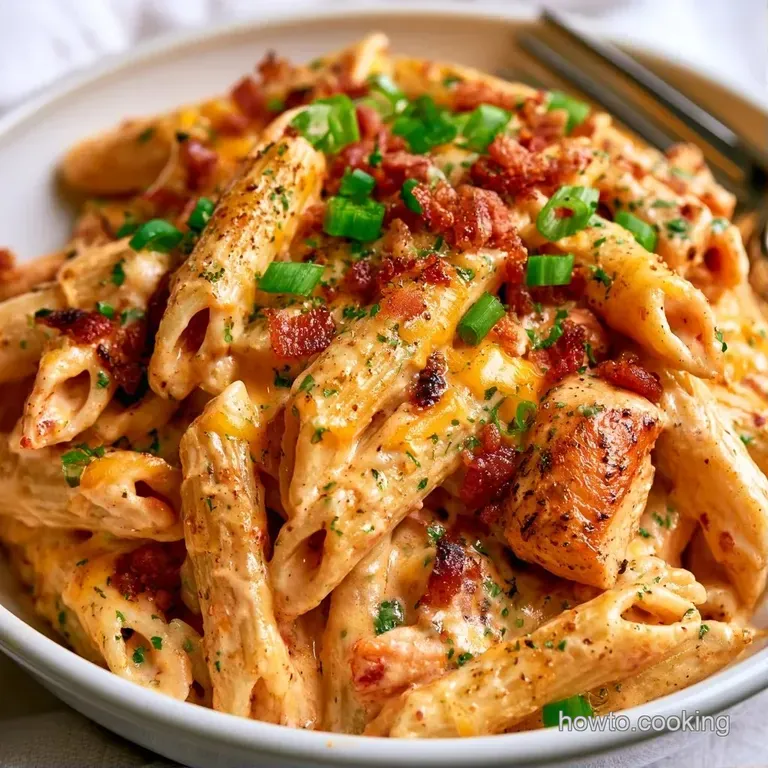
Fry the diced bacon over medium heat . Use a slotted spoon to transfer the bacon to a paper towel, but keep the rendered fat in the pan. Add the cubed chicken breast. Season with a dash of garlic powder and pepper. Sauté for 5-7 mins .
2. The Simmering Phase
Pour in the chicken broth and mix in the ranch seasoning. Use your spatula to scrape the browned bits from the bottom. Stir in the penne. Bring the liquid to a boil, then lower the heat. Cover with a lid and simmer for 12-15 mins. Stir occasionally to keep the pasta from sticking to the pan.
3. The Creamy Integration
Remove the lid once the pasta is tender and the broth has mostly reduced. Stir in the cream cheese cubes one by one. Continue stirring . Fold in the Colby Jack and the crispy bacon. Remove from heat the moment the cheese melts. Top with fresh parsley.
Why This Recipe Works
The logic here is all about the starch. Since we cook the penne in broth, the starch stays in the pan, creating a naturally thick base.
- Starch Binding: The pasta water acts as a glue for the cheese.
- Fat Emulsion: Adding softened cheese cubes slowly prevents the sauce from splitting.
If you like this style of one pan cooking, you might enjoy my Beef and Rotini recipe, which uses a similar starch binding technique.
Method Comparison
| Feature | Stovetop (This Way) | Oven Baked |
|---|---|---|
| Time | 35 mins total | 60 mins total |
| Texture | Silky and cohesive | Crusty top, denser pasta |
| Effort | Constant stirring | Set and forget |
Fixing Common Issues
The biggest hurdle is usually the sauce texture. If it looks broken or too thin, it's usually a temperature issue.
Sauce Looks Grainy
This happens if the cream cheese is too cold or added too fast. The fats separate instead of blending.
Pasta is Too Mushy
Overcooking the penne during the simmer phase leads to a porridge like consistency. Pull it off the heat the moment the pasta is al dente.
Sauce is Too Thin
If there's too much broth left when you add the cheese, the sauce won't cling to the noodles. Simmer uncovered for 2 more minutes before adding the dairy.
| Problem | Fix |
|---|---|
| Grainy Sauce | Whisk in a splash of warm broth |
| Mushy Pasta | Reduce simmer time by 2 mins |
| Too Thin | Simmer uncovered before adding cheese |
Storage and Leftovers
Store in a sealed plastic tub and refrigerate for 3 days. It is normal for the sauce to become thicker as it chills.
Reheating Tips When warming this up, stir in a tablespoon of milk or water. This loosens the cheese and restores a velvety texture without overcooking the protein.
Zero Waste Don't discard any bacon grease left in the pan. Instead, keep it in a jar to use for roasting potatoes later in the week.
Simple Recipe Twists
You can easily pivot this dish depending on what's in your fridge.
2 Diet Swaps
- Lighter Version: Use Greek yogurt instead of cream cheese and swap penne for chickpea pasta. It's a bit tangier but still hearty.
- dairy free: Use cashew cream and nutritional yeast. Note: The texture will be less stretchy than with Colby Jack.
If you want something even lighter, my Homemade Pesto Pasta is a great alternative for those nights when heavy cream feels like too much.
Plating Your Meal
This is a "rustic" dish, so don't overthink it. I usually serve it family style right out of the skillet to keep the cheese warm.
Plating for Impact
- Use wide shallow bowls to show off the pasta.
- Add a heavy sprinkle of fresh parsley or sliced green onions for color.
- A crack of fresh black pepper on top cuts through the richness of the ranch and cheese.
This Skillet Crack Chicken Penne is a reliable win for any night of the week. It's fast, filling, and hits that craving for something indulgent. Enjoy!
Recipe FAQs
What should I serve with crack chicken penne?
Roasted broccoli or a crisp Caesar salad. These acidic and fresh sides cut through the richness of the heavy cheese sauce.
How to prepare this in a skillet?
Sauté the protein and aromatics first. Stir in the pasta and sauce components, simmering until the cheese is fully melted and glossy.
Is it true this dish requires a slow cooker to be authentic?
No, this is a common misconception. The skillet method provides a superior sear on the protein and is significantly faster without sacrificing creaminess.
Why does the sauce thicken when cooled?
The cheese and starches bind together. This is a natural reaction for creamy pasta dishes as they reach room temperature or chill.
Can I substitute the pasta shape?
Yes, rotini or bow-tie work perfectly. These shapes have more surface area to trap the thick sauce compared to smooth noodles.
Which liquid restores the creaminess during reheating?
Milk or water. Adding a single tablespoon loosens the cheese and restores the velvety texture without overcooking the protein.
Could the sauce become grainy?
Yes, if the heat is too high. Keep the temperature low when adding cheese to prevent the fats from separating. If you enjoyed mastering temperature precision here, see how it works for the crust in our traditional crispy pie.
