Soft and Fluffy Cinnamon Rolls with Glaze
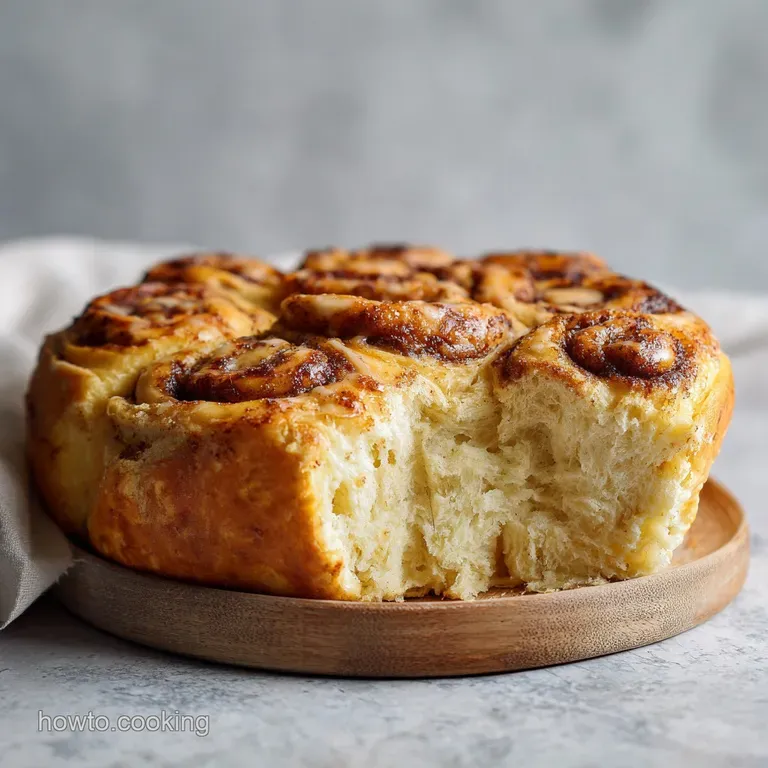
- Time: Active 20 minutes, Passive 1 hours 25 mins, Total 1 hours 45 mins
- Flavor/Texture Hook: Velvety, buttery crumb with a gooey cinnamon center
- Perfect for: Weekend family brunch or holiday morning celebrations
- Soft and Fluffy Cinnamon Roll with Glaze in 4 Simple Steps
- The Science of Yeast Structures
- Essential Components for Perfect Results
- Selecting Ingredients and Smart Alternatives
- Baking Rolls to Golden Success
- Solving Common Baking Issues
- Scaling and Flavor Variations
- Debunking Common Baking Myths
- Storing and Reheating Your Goods
- Perfect Pairings for Morning Treats
- Recipe FAQs
- 📝 Recipe Card
Soft and Fluffy Cinnamon Roll with Glaze in 4 Simple Steps
The first time I pulled these from the oven, the aroma of spicy cinnamon and warm yeast filled every corner of my kitchen. I remember watching that thick, velvety glaze slowly melt into the warm spirals, disappearing into the cracks and making the whole tray look like something from a high end bakery.
There is something truly special about the way the dough yields under a fork, revealing those tender, buttery layers.
This recipe guides you through baking a supremely soft and fluffy cinnamon roll with glaze in just 4 simple steps. We are focusing on a method that maximizes the rise while keeping the actual work time to a minimum.
You don't need a massive array of tools or a professional kitchen to get these right; you just need a bit of patience and a warm spot for your dough to grow.
We have all had those rolls that turn out dry or bready, but we're avoiding that today. By following this specific sequence, you'll ensure a gooey center and a soft exterior every single time.
It is about working smarter with your ingredients to create a wholesome treat that your family will ask for every single weekend.
The Science of Yeast Structures
The Physics of the Rise. The high protein content in bread flour creates a strong gluten network that traps carbon dioxide from the yeast. This structure allows the dough to expand significantly without collapsing, resulting in that cloud like texture.
- Gluten Development: Bread flour contains more protein, creating a sturdy web that catches air bubbles.
- Yeast Fermentation: Instant yeast reacts with milk sugars to produce gas, causing the dough to swell.
- Fat Enrichment: Butter and eggs coat flour proteins, shortening gluten strands for a tender, velvety crumb.
- Sugar Osmosis: The sugar in the dough provides food for the yeast while also drawing moisture to the crumb.
If you are deciding which way to bake these today, consider your schedule and how much time you have to watch the oven. While the traditional oven method is my favorite for that golden crust, other methods can work in a pinch if you are short on time or space.
| Method | Time | Texture | Best For |
|---|---|---|---|
| Standard Oven | 25 minutes | Golden and slightly crisp | Classic bakery results |
| Air Fryer | 15 minutes | Very crusty exterior | Small batches for two |
| Slow Cooker | 2 hours | Extremely soft/gooey | Making ahead for crowds |
Each of these methods has its place in a busy kitchen, but the standard oven remains the gold standard for that specific "shatter" on the very top edge of the roll. Just make sure your oven is properly preheated before the pan goes in.
Essential Components for Perfect Results
Using the right ingredients is the difference between a dense bun and a light, airy roll. I prefer using vanilla bean paste over extract because those tiny black flecks in the glaze look stunning and the flavor is much deeper. It is a small choice that makes a big impact on the final presentation.
| Ingredient | Science Role | Pro Secret |
|---|---|---|
| Bread Flour | Structural Integrity | Provides the chew and height needed for giant rolls. |
| Whole Milk | Moisture and Fat | The fats in whole milk tenderize the crumb more than water. |
| Instant Yeast | Rapid Leavening | Eliminates the need for "blooming" in water first. |
| Cream Cheese | Acidic Balance | Tangy notes cut through the heavy sugar of the glaze. |
The interaction between the yeast and the warm milk is where the magic starts. You want the milk to be warm like bath water, not hot, or you will kill the yeast before it has a chance to work. If you have a thermometer, aim for about 105°F to 110°F.
Selecting Ingredients and Smart Alternatives
When we look at our Homemade Cinnamon Rolls Recipe, we see how high-quality fats change everything. For this version, stick to these specific quantities for the best results.
- 1 cup warm whole milk (240ml): Why this? Provides the liquid base and essential fats for a soft dough.
- 1 packet instant yeast (7g): Why this? Allows for a faster rise compared to active dry yeast.
- 0.5 cup granulated sugar (100g): Why this? Sweetens the dough and feeds the yeast for a better rise.
- 0.33 cup melted unsalted butter (75g): Why this? Adds richness and creates that characteristic tender texture.
- 1 large egg (50g): Why this? Acts as a binder and adds structure to the enriched dough.
- 4 cups bread flour (500g): Why this? High protein content is mandatory for a fluffy, high rise.
- 1 tsp fine sea salt: Why this? Sharpens all the other flavors and controls the yeast growth.
- 0.5 cup softened unsalted butter (115g): Why this? Used for the filling to hold the cinnamon and sugar.
- 1 cup packed brown sugar (200g): Why this? Creates a molasses like caramel inside the rolls.
- 2.5 tbsp ground cinnamon: Why this? The star flavor that provides warmth and spice.
- 4 oz softened cream cheese (115g): Why this? The base for a silky, tangy bakery style glaze.
- 1.5 cups powdered sugar (180g): Why this? Provides the sweetness and structure for the topping.
- 3 tbsp heavy cream: Why this? Thins the glaze to a pourable, velvety consistency.
- 1 tsp vanilla bean paste: Why this? Adds intense vanilla flavor and beautiful visual specks.
| Original Ingredient | Substitute | Why It Works |
|---|---|---|
| Bread Flour | All Purpose Flour | Lower protein means the rolls will be slightly shorter/softer. |
| Whole Milk | Oat Milk (Full Fat) | Similar creamy consistency. Note: Adds a slight toasted grain flavor. |
| Brown Sugar | Coconut Sugar | Similar caramel notes but less moisture; filling may be drier. |
Chef Tip: Freeze your butter for 10 minutes before the recipe, then grate it into the filling sugar. This ensures even distribution and prevents the butter from leaking out the bottom of the pan during the bake.
Baking Rolls to Golden Success
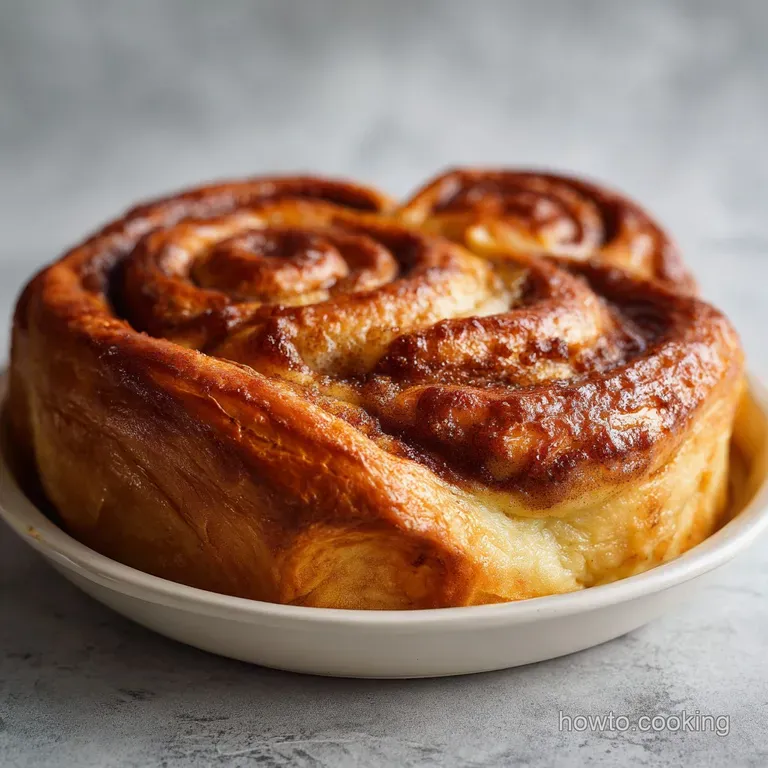
Step 1: Mix and Knead the "Cloud" Dough
Whisk the 1 cup warm milk, 1 packet yeast, 0.5 cup granulated sugar, 0.33 cup melted butter, and 1 egg in a large bowl. Gradually add 4 cups bread flour and 1 tsp salt, stirring until a shaggy dough forms.
Knead by hand or with a mixer for 8 minutes until the dough is silky and elastic. Note: This develops the gluten needed for the rise.
Step 2: The Warm Proof Rise
Place the dough in a lightly greased bowl and cover it with a warm, damp cloth. Let it sit in a draft free spot for 1 hour until it has doubled in size. Note: A warm environment speeds up the yeast activity significantly.
Step 3: Fill, Roll, and "Floss Cut"
Roll the dough into a large rectangle and spread with 0.5 cup softened butter, then sprinkle with 1 cup brown sugar and 2.5 tbsp cinnamon. Roll it up tightly and use unscented dental floss to slice into 12 even pieces until you have clean, un squashed spirals.
Note: Floss prevents the dough from pinching shut while cutting.
Step 4: The Golden Bake and Velvet Finish
Place rolls in a greased pan and bake at 350°F (180°C) for 25 minutes until the tops are golden and fragrant.
While warm, whisk 4 oz cream cheese, 1.5 cups powdered sugar, 3 tbsp cream, and 1 tsp vanilla paste, then pour over the rolls until the glaze melts into the centers.
Solving Common Baking Issues
Why Your Dough Didn't Rise
If your dough is sitting there like a brick, it usually comes down to the temperature of your liquid or the age of your yeast. Yeast is a living organism, and it needs a specific environment to wake up.
If you find that your rolls are looking a bit pale or the texture is more like a biscuit than a cloud, you might have added too much flour during the kneading process. It is a mistake I once made frequently. You want the dough to be slightly tacky, not dry.
| Problem | Root Cause | Solution |
|---|---|---|
| Rolls are dry/tough | Over baked or too much flour | Reduce flour by 1/4 cup next time; check oven temp. |
| Filling leaked out | Butter was too melted | Ensure filling butter is "softened," not liquid, or use the grating trick. |
| Rolls are doughy inside | Under baked or crowded pan | Bake 5 mins longer; ensure a 1/2 inch gap between rolls. |
- ✓ Use a kitchen scale for the flour to avoid over packing the measuring cup.
- ✓ Ensure your egg is at room temperature so it doesn't chill the warm milk.
- ✓ Don't skip the second rise in the pan; it's vital for the "fluffy" factor.
- ✓ Use a thermometer to check the milk temperature (105-110°F is the sweet spot).
- ✓ Apply the glaze while the rolls are still warm to let it seep into the layers.
Scaling and Flavor Variations
If you are cooking for a larger crowd, doubling the recipe is fairly straightforward, but you should be careful with the liquids. For a smaller batch, similar to our Small Batch Cinnamon Rolls recipe, you can simply halve everything.
Scaling Down (1/2 Batch): Use 2 cups of flour and half of the other ingredients. For the egg, beat one egg in a small bowl and use exactly half of the liquid. You will want a smaller 8x8 inch baking pan.
Scaling Up (2x Batch): You can double the ingredients exactly, but I suggest keeping the yeast to 1.5 packets instead of 2 to avoid a "yeasty" aftertaste. Work in two separate pans rather than one giant one to ensure even heat distribution.
| Servings | Flour Amount | Pan Size | Bake Time |
|---|---|---|---|
| 6 rolls | 2 cups | 8x8 inch | 22 minutes |
| 12 rolls | 4 cups | 9x13 inch | 25 minutes |
| 24 rolls | 8 cups | Two 9x13 inch | 28 minutes |
If you want to change the flavor profile, try adding a tablespoon of orange zest to the filling. It brightens the whole dish and pairs beautifully with the cream cheese glaze. Or, for a deeper flavor, add a teaspoon of espresso powder to the cinnamon sugar mix.
Debunking Common Baking Myths
One common myth is that you must "bloom" instant yeast in water before adding it to flour. This is simply not true; instant yeast is designed to be mixed directly with dry ingredients. This saves time and results in a more consistent rise.
Another misconception is that salt kills yeast instantly. While concentrated salt can inhibit yeast, in a dough environment, it actually regulates the fermentation. Without salt, your dough would rise too fast and then collapse, leaving you with a flat, flavorless roll. Trust me on this never skip the salt.
Finally, many people think kneading longer always means better bread. In an enriched dough like this, over kneading can actually make the rolls tough rather than soft. You want to stop as soon as the dough passes the "windowpane test," where you can stretch a small piece thin enough to see light through it without it tearing.
Storing and Reheating Your Goods
These rolls are best enjoyed immediately, but they do keep well if stored properly. To keep them soft, place them in an airtight container as soon as they reach room temperature. They will stay fresh on the counter for about 2 days or in the fridge for up to 5 days.
When reheating, avoid the microwave if possible as it can make the dough rubbery. Instead, place a roll in a 300°F (150°C) oven for about 10 minutes with a small splash of water in the bottom of the oven to create steam.
This restores that "just baked" texture perfectly.
For zero waste, don't throw away any leftover glaze. It makes an incredible topping for pancakes or a dip for apple slices. If you have leftover rolls that have gone a bit stale, they make the most incredible French toast bake or bread pudding you have ever tasted.
Simply cube them up, soak in a custard of milk and eggs, and bake until golden.
Perfect Pairings for Morning Treats
To really round out the experience, pair these rolls with something savory to balance the sweetness. A side of crispy bacon or a simple soft scramble with chives works beautifully. The saltiness of the protein highlights the richness of the butter in the dough.
If you are a coffee lover, a dark roast or a bold espresso is the way to go. The bitterness of the coffee cuts right through the heavy cream cheese glaze. For a caffeine free option, a warm cup of chai tea with its own spice profile complements the cinnamon and vanilla bean paste perfectly.
If you are looking for a different style of roll, perhaps one with a secret family history, check out Grandma's Homemade Cinnamon Rolls recipe. It uses a slightly different proofing method that yields an even gooier result for those who like their rolls nearly molten in the center. Regardless of how you serve them, these rolls are about creating a moment of comfort in your kitchen.

Recipe FAQs
Can I substitute bread flour with all-purpose flour for this recipe?
Yes, but expect a different texture. All-purpose flour has lower protein, resulting in rolls that are slightly shorter and less intensely fluffy than those made with bread flour.
If you enjoyed mastering the strong gluten development here, you'll find the same structural principles apply when working with the higher protein content required for this specific height.
How to achieve the softest, fluffiest dough texture?
Knead for exactly 8 minutes until silky smooth. This develops the gluten network strong enough to trap gases, which creates height during the rise. Stopping kneading too soon leaves the dough dense, but over kneading can result in overly chewy rolls.
Why are my cinnamon rolls leaking butter and sugar out the bottom while baking?
The filling butter was likely too warm or liquid. Ensure the butter spread inside the rolled dough is only softened, not melted. If you are looking for alternative ways to incorporate fats evenly, see how we achieve perfect distribution when making a Classic Gingerbread Cookies Recipe where grating cold butter is key.
How do I know if my yeast is still active before mixing the dough?
Check for immediate foaming when mixed with warm milk and sugar. Instant yeast should begin activating within 5 minutes if the milk temperature is between 105°F and 110°F. If nothing happens, discard it and use a fresh packet; dead yeast is the number one cause of flat dough.
How to slice the dough rolls cleanly without squashing the shape?
Use un-waxed, un-flavored dental floss to cut through the dough. Wrap the floss around the log, cross the ends over the top, and pull down firmly and quickly. This "floss cut" cleanly separates the spirals without compressing the airy interior structure you worked to build.
Is it true I should let the rolls proof in the pan for a second time?
Yes, the second proofing in the pan is mandatory for maximum fluffiness. Allow the rolls to rise again in their baking dish for about 30 minutes before baking; this allows them to puff up slightly and fuse together during the bake, preventing them from drying out, similar to the technique used for a perfect Truly Classic Fry recipe.
What is the best way to reheat leftover rolls to restore softness?
Reheat in a 300°F oven for 10 minutes with added steam. Place a small, oven safe cup of water on the bottom rack to reintroduce moisture to the environment. This method avoids the rubbery texture microwaves create and restores the tender crumb.
Fluffy Cinnamon Rolls In 4 Steps
Ingredients:
Instructions:
Nutrition Facts:
| Calories | 488 kcal |
|---|---|
| Protein | 7.3 g |
| Fat | 18.9 g |
| Carbs | 73.7 g |
| Fiber | 1.8 g |
| Sugar | 42.5 g |
| Sodium | 228 mg |
