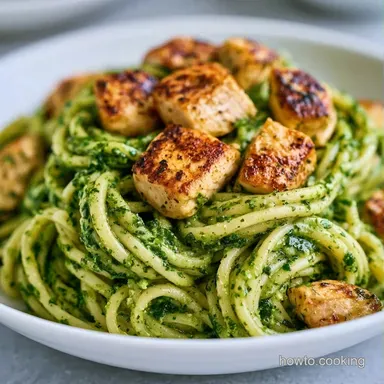
One Pan Garlic Chicken Pesto Pasta
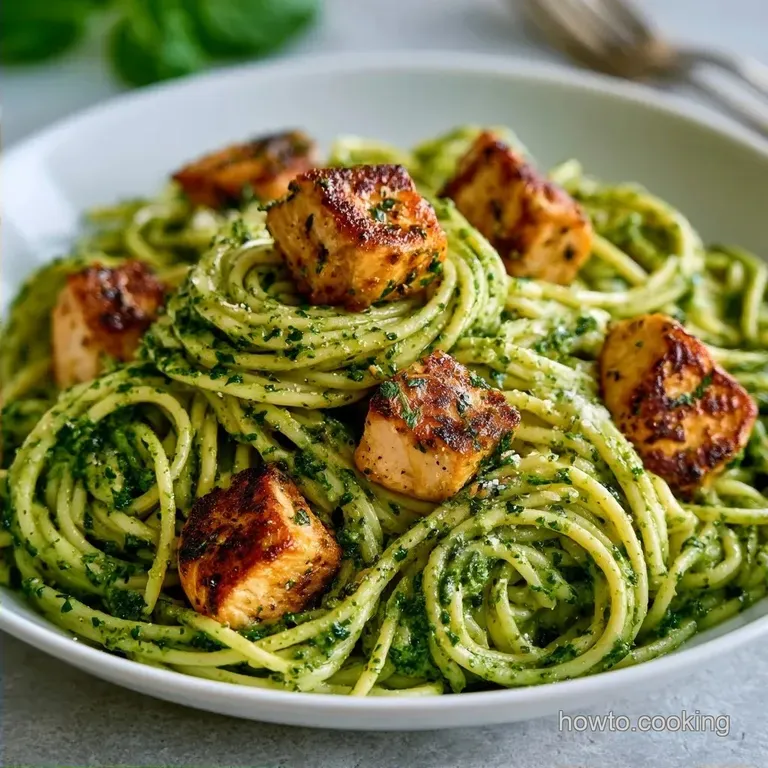
- Time: 10 min active + 20 min cooking
- Flavor/Texture Hook: Zesty, creamy, and savory with seared chicken
- Perfect for: Busy weeknight dinners or family meal prep
- Garlic Chicken Pesto Pasta Basics
- The Logic Behind Ingredients
- Gathering Your Essentials
- Equipment You'll Need
- The Cooking Process
- Avoiding Kitchen Disasters
- Troubleshooting Common Issues
- Adjusting the Portion Size
- Pesto Pasta Myths
- Storage and Reheating
- Serving Suggestions
- Customizing Your Meal
- High in Sodium
- Recipe FAQs
- 📝 Recipe Card
Ever wonder why some home cooked pesto dishes feel a bit oily or thin? I used to just dump the jar of pesto into the pan and hope for the best, but the sauce never quite clung to the noodles. It usually just pooled at the bottom of the bowl.
I realized that the gap between a decent meal and a great one is often just a few tablespoons of pasta water and a proper sear on the meat. This Garlic Chicken Pesto Pasta uses a quick cream reduction to bridge the gap between the oily pesto and the pasta.
You can expect a meal that tastes like it took hours but actually comes together in 30 minutes. It's the kind of dish that makes your kitchen smell like a bistro and leaves everyone asking for seconds.
Garlic Chicken Pesto Pasta Basics
The goal here is to balance the punchy garlic and basil with a touch of cream. If you want a lighter version, you can check out a traditional pesto pasta approach, but the addition of chicken and cream makes this one much more filling for a main course.
Searing the meat: Browning the chicken first creates a crust that holds onto the sauce. This keeps the meat from tasting boiled.
The emulsification: Mixing the heavy cream with starchy water creates a stable sauce. It prevents the pesto oil from breaking away from the other ingredients.
Fresh greens: Adding spinach at the very end preserves the color and adds a hit of nutrition without changing the flavor profile.
| Component | Fresh Pesto | Jarred Pesto | Impact |
|---|---|---|---|
| Flavor | Bright, grassy | Salty, concentrated | Fresh is more vibrant |
| Prep Time | 10 mins extra | 0 mins | Jarred is faster |
| Stability | Breaks easier | More stable | Jarred has emulsifiers |
The Logic Behind Ingredients
Every part of this dish serves a purpose. If you remove the lemon juice, for example, the cream and cheese can make the dish feel too "heavy." The acid cuts through the fat and wakes up the basil.
| Ingredient | What It Does | Best Swap |
|---|---|---|
| Chicken Breast | Provides lean protein | Chicken thighs (juicier) |
| Basil Pesto | Main flavor driver | Walnut pesto (nuttier) |
| Heavy Cream | Adds body and richness | Half and half (lighter) |
| Pasta Water | Binds the sauce | None (essential) |
Gathering Your Essentials
Right then, let's look at what you need. I recommend getting your chicken cubed into even 1 inch pieces so they all brown at the same rate.
- 1.5 lbs boneless, skinless chicken breasts, cubed Why this? Lean and absorbs the garlic well
- 2 tbsp olive oil
- 4 cloves garlic, minced
- 1 tsp salt
- 1/2 tsp black pepper
- 1/2 tsp dried oregano
- 12 oz penne or fusilli pasta Why this? Ridges hold the creamy sauce
- 3/4 cup basil pesto
- 1/2 cup heavy cream
- 1/2 cup grated Parmesan cheese
- 1/4 cup reserved pasta water
- 2 cups fresh baby spinach
- 1 tbsp lemon juice
Chef's Note: For the best results, grate your own Parmesan. Pre shredded cheese is coated in cornstarch to prevent clumping, which can make your sauce feel grainy rather than silky.
Equipment You'll Need
You don't need a fancy kitchen for this. A few basic tools will do the job perfectly.
- Large skillet (12 inch is best)
- Large pot for boiling pasta
- Tongs or a pasta fork
- Colander
- Measuring cups and spoons
The Cooking Process
Let's crack on with the actual cooking. Keep your pasta water simmering while you handle the chicken to save time.
- Pat the chicken cubes dry with a paper towel. Season with salt, pepper, and oregano. Note: Dry meat sears better
- Heat olive oil in the skillet over medium high heat until shimmering.
- Add chicken in a single layer. Cook without stirring for 3-4 minutes until a golden brown crust forms, then flip and cook for another 3 minutes until cooked through.
- Remove chicken from the pan and set aside on a plate.
- Boil a large pot of salted water. Cook pasta until al dente (usually 1-2 minutes less than the package directions).
- Scoop out 1/2 cup of the starchy pasta water before draining. Drain the remaining pasta.
- In the same skillet used for the chicken, turn heat to medium. Add minced garlic and sauté for 60 seconds until fragrant.
- Stir in the heavy cream and bring to a gentle simmer for 2 minutes.
- Lower heat to low. Fold in the pesto and Parmesan cheese, stirring until the sauce is cohesive.
- Toss the cooked pasta and seared chicken into the sauce. Add reserved pasta water and lemon juice to reach your preferred consistency. Stir in baby spinach until wilted.
Avoiding Kitchen Disasters
Even with a simple Garlic Chicken Pesto Pasta, things can go sideways. Usually, it's a matter of temperature or timing.
Troubleshooting Common Issues
| Issue | Solution |
|---|---|
| Why Your Sauce Separates | If the heat is too high when you add the pesto, the oil can separate from the basil and cheese. This leaves you with a greasy mess. |
| Why Your Chicken is Dry | Overcooking the chicken is the most common issue. Use a meat thermometer to ensure the chicken hits 165°F (74°C) as suggested by USDA safety guidelines. |
| Why the Pesto Turns Brown | Pesto is sensitive to heat. If you boil the pesto, the basil oxidizes and loses its bright green color. Always add it at the end on low heat. |
Adjusting the Portion Size
If you're cooking for just yourself or a crowd, you can't just multiply everything blindly. Some things don't scale linearly.
Scaling Down (Half Recipe): Use a smaller 8 inch skillet. Reduce the cooking time for the cream reduction by about 30 seconds. If using one egg for a different variation, beat it first and use half.
Scaling Up (Double Recipe): Work in batches for the chicken. If you crowd the pan, the meat will steam instead of sear. Increase salt and oregano to only 1.5x the original amount to avoid over seasoning. Reduce total liquid by about 10% since less evaporates in a full pan.
For those who want an even richer version, my creamy pesto pasta sauce offers a few more tweaks to the dairy ratio.
Pesto Pasta Myths
There are a few things people believe about this dish that just aren't true.
Myth 1: Searing "seals in" the juices. Searing doesn't create a waterproof barrier. Moisture still escapes. However, it creates flavor through browning, which makes the Garlic Chicken Pesto Pasta taste much deeper.
Myth 2: You must use a food processor for pesto. While fast, a mortar and pestle actually bruises the basil less, which can keep the color brighter. But for a weeknight meal, the processor or a store-bought jar is just fine.
Storage and Reheating
Pasta tends to absorb sauce as it sits, which means your leftovers might look dry the next day.
Fridge Storage: Store in an airtight container for up to 4 days. To keep the pesto green, press a piece of plastic wrap directly onto the surface of the pasta before closing the lid.
Freezing: I don't recommend freezing this dish. The heavy cream can break and the spinach becomes mushy. If you must freeze it, undercook the pasta by 3 minutes so it doesn't turn to paste upon reheating.
Reheating: Avoid the microwave if you can. Heat the pasta in a skillet over medium heat and add a splash of water or milk. This loosens the sauce and brings back that smooth texture.
Zero Waste Tip: Don't throw away the basil stems if you make your own pesto. Simmer them in your next batch of vegetable stock for a subtle herbal note.
Serving Suggestions
This dish is rich, so you want sides that provide a crisp contrast.
- Fresh Arugula Salad: A simple lemon vinaigrette and arugula balance the creaminess of the pasta.
- Garlic Bread: Toasted sourdough with a rub of raw garlic and olive oil.
- Roasted Asparagus: The bitterness of charred asparagus cuts through the Parmesan.
Customizing Your Meal
Depending on what's in your fridge, you can tweak this recipe to fit your mood.
- The Zesty Twist: Add a pinch of red pepper flakes during the garlic sauté for a subtle heat.
- The Veggie Boost: Fold in sun dried tomatoes or sautéed mushrooms along with the chicken.
- The Protein Swap: Use shrimp instead of chicken. Just sear them for 2 minutes per side and add them at the very end so they don't overcook.
Right then, you've got everything you need to get this Garlic Chicken Pesto Pasta on the table. It's a reliable, filling meal that doesn't require a professional kitchen. Just remember to save that pasta water, keep your heat low for the pesto, and you're set. Trust me, your family will love it.
High in Sodium
810 mg 810 mg of sodium per serving (35% 35% of daily value)
The American Heart Association recommends a daily sodium limit of no more than 2,300 mg for most adults to maintain heart health.
Tips to Reduce Sodium
-
Eliminate Added Salt-25%
Remove the 1 tsp of salt entirely; the Parmesan and pesto already provide ample sodium for seasoning.
-
Swap the Pesto-20%
Use homemade pesto or a certified low-sodium variety to avoid the high salt content found in commercial jars.
-
Reduce Parmesan Cheese-15%
Use half the amount of grated Parmesan cheese or substitute with a small amount of nutritional yeast for a salty flavor.
-
Enhance with Aromatics
Increase the lemon juice or add more fresh garlic and black pepper to brighten the flavor without adding salt.
Recipe FAQs
What kind of pasta goes well with pesto chicken?
Penne or fusilli are the best choices. Their ridges and spirals capture the creamy pesto sauce more effectively than smooth pasta shapes.
How to make garlic chicken pesto pasta?
Sear seasoned chicken cubes in olive oil over medium high heat. Remove the chicken, sauté garlic, simmer heavy cream, and fold in pesto and Parmesan before tossing everything with cooked pasta and spinach.
Do garlic and pesto go well together?
Yes, they complement each other perfectly. The pungent aroma of sautéed garlic enhances the herbal notes of the basil in the pesto.
What are some ways to use leftover homemade pesto?
Toss it with fresh vegetables or use it as a sandwich spread. If you want to refine your base, try this homemade pesto sauce for a more balanced flavor profile.
What are some good side dishes for pesto chicken?
Roasted vegetables or a light arugula salad work best. These options provide a fresh, acidic contrast to the richness of the heavy cream and Parmesan.
Is it true that boiling pesto keeps the sauce bright green?
No, this is a common misconception. Boiling pesto causes the basil to oxidize and turn brown, so always fold it in over low heat.
How to store and reheat this pasta?
Keep it in an airtight container in the fridge for up to 4 days. Reheat the pasta in a skillet rather than a microwave to prevent the cream from breaking.
Garlic Chicken Pesto Pasta