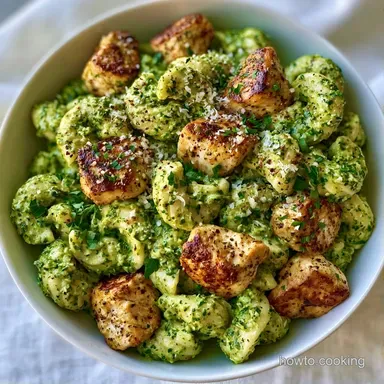
Creamy Cheesy Chicken Pesto Pasta
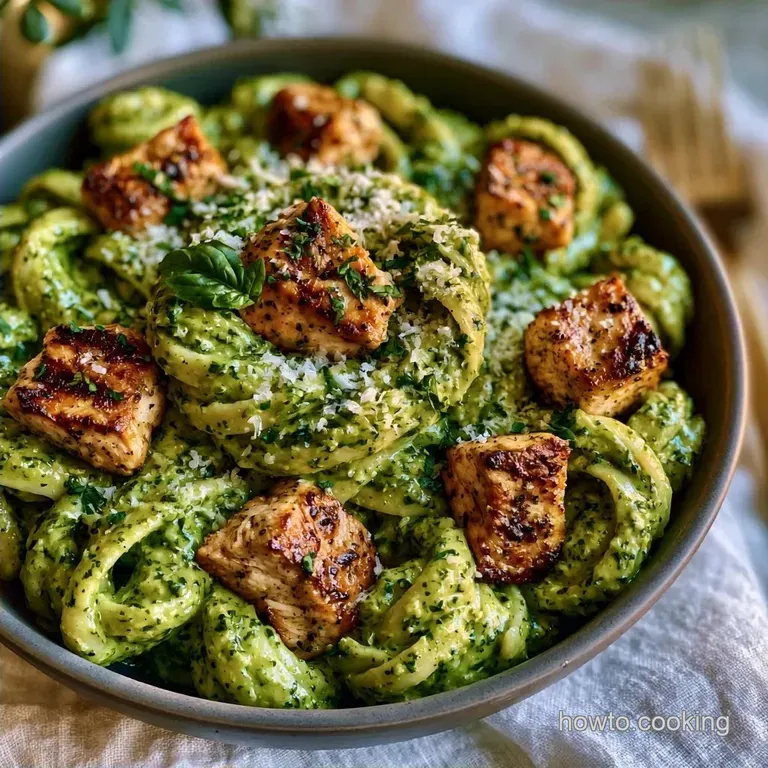
- Time: 10 min active + 25 min cooking
- Flavor/Texture Hook: Rich, cheesy, and bright with a golden chicken crust
- Perfect for: Weeknight dinner or beginner friendly family meal
The smell of garlic hitting hot butter is enough to make anyone hungry. But let's be real, a lot of people struggle with this dish. The sauce often separates into an oily mess, or the chicken ends up rubbery and bland.
It usually happens because the chicken is crowded in the pan or the heat is too high when the cheese goes in.
I used to deal with that same oily separation. The fix was actually simple: saving a bit of the pasta water. That salty, starchy liquid acts like a bridge between the fats in the cheese and the moisture in the cream. It keeps everything bound together.
You can expect a meal that feels indulgent but comes together in under an hour. This Cheesy Chicken Pesto Pasta gives you that deep, herbal flavor from the basil, balanced by the pull of melted mozzarella. It's a heavy hitter for comfort food that doesn't require professional skills.
Cheesy Chicken Pesto Pasta
Starchy Pasta Water: Adding reserved water binds the cream and fats, preventing the sauce from breaking.
Over High heat Searing: Cooking the chicken without stirring for 3-4 minutes creates a brown crust that adds depth.
Over Low heat Finishing: Adding cheese on low heat stops the proteins from clumping, keeping the sauce smooth.
| Pesto Type | Texture | Flavor Profile | Best For |
|---|---|---|---|
| Fresh Basil | Light & Bright | Sharp, herbal | Fresh summer dinners |
| Jarred/Store | Thick & Salty | Mellow, consistent | Quick weeknights |
What Each Ingredient Does
| Ingredient | What It Does | Best Swap |
|---|---|---|
| Heavy Cream | Stabilizes the sauce | Full fat coconut milk (nutty flavor) |
| Pasta Water | Emulsifies the fats | None (essential for texture) |
| Butter/Oil | Creates the sear | Ghee or Avocado oil |
| Mozzarella | Adds the "pull" | Provolone (sharper taste) |
Ingredients and Swaps
- 1 lb (450g) boneless, skinless chicken breast, cubed Why this? Lean and cooks fast in small cubes
- 12 oz (340g) penne or bow tie pasta Why this? Ridges hold the sauce better
- 2 tbsp (28g) unsalted butter Why this? Adds richness to the sear
- 1 tbsp (15ml) olive oil Why this? Prevents butter from burning
- ½ tsp (3g) salt Why this? Basic seasoning for the protein
- ¼ tsp (1g) black pepper Why this? Adds a subtle bite
- ½ cup (125g) basil pesto Why this? Primary flavor driver
- ½ cup (120ml) heavy cream Why this? Creates a creamy base
- 1 cup (115g) shredded mozzarella cheese Why this? For the gooey melt
- ¼ cup (30g) freshly grated Parmesan cheese Why this? Adds salty, umami depth
- 2 cloves (6g) garlic, minced Why this? Aromatic base
Essential Kitchen Gear
You don't need much here. A large pot for the pasta and a wide skillet are the basics. Using a skillet with a lid helps if you need to trap a little steam to melt the cheese faster. I suggest a stainless steel or cast iron pan for the chicken, as they hold heat better than non stick, giving you a better crust.
Step by step Flow
Phase 1: The Pasta Base
- Bring a large pot of heavily salted water to a boil.
- Add the pasta and cook until al dente (usually 1-2 minutes less than the package directions).
- Before draining, reserve ½ cup (120ml) of the starchy pasta water, then drain the remaining pasta. Note: This water is the glue for your sauce.
Phase 2: Searing the Protein
- Pat the cubed chicken dry with paper towels and season with salt and pepper. Note: Wet chicken steams instead of searing.
- Heat olive oil and butter in a large skillet over medium high heat until the butter foams.
- Add chicken in a single layer; cook without stirring for 3-4 minutes until a golden brown crust forms, then flip and cook for another 3 minutes until cooked through.
- Stir in the minced garlic and cook for 30 seconds until fragrant, then remove chicken from the pan and set aside.
Phase 3: The Finish
- Reduce the skillet heat to low. Pour in the heavy cream and bring to a very gentle simmer.
- Stir in the basil pesto and Parmesan cheese until the sauce is smooth and emerald colored.
- Fold in the cooked pasta and seared chicken.
- Gradually add the shredded mozzarella and a splash of the reserved pasta water, tossing gently until the cheese is completely melted and the sauce is velvety.
Troubleshooting the Sauce
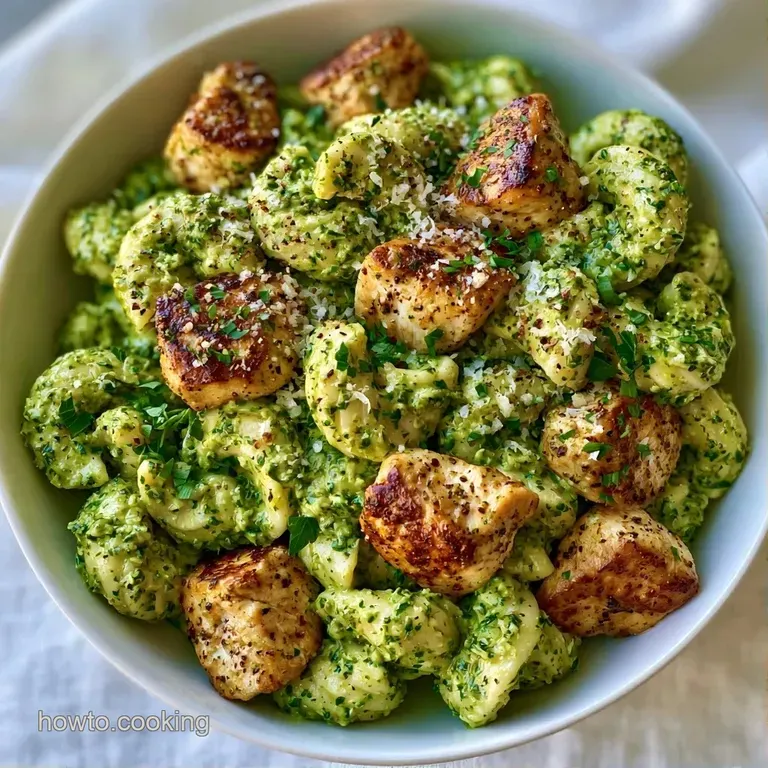
If you've ever had your sauce turn into a puddle of oil with clumps of cheese, you're not alone. It usually means the heat was too high or you skipped the pasta water.
| Issue | Solution |
|---|---|
| Why Your Sauce Separates | This happens when the emulsion breaks. The fat in the pesto and cream detaches from the liquid. To fix this, whisk in a tablespoon of pasta water over low heat. |
| Why Your Chicken Is Rubbery | Overcooking cubed chicken happens fast. If you crowd the pan, the temperature drops, the chicken releases moisture, and it boils instead of searing. Cook in batches if your pan is small. |
| Why Your Cheese Clumps | Adding mozzarella to boiling sauce causes the proteins to tighten and seize. Always drop the heat to low or even turn the burner off before folding in the cheese. |
Customizing the Flavor
You can easily tweak this to fit your mood. If you want something more hearty, a Cheesy Chicken Pesto Pasta Bake is a great move. Just transfer the finished pasta to a baking dish, top with extra mozzarella, and broil for 3-5 minutes until bubbly.
For those looking for a healthier chicken pesto pasta recipe, try swapping the heavy cream for a protein cottage cheese pasta sauce. It keeps the creaminess but bumps up the protein significantly.
If you're feeling fancy, you can make your own sauce from scratch. I highly recommend my homemade pesto recipe for a brighter, more punchy taste. You could also add sun dried tomatoes or baby spinach at the very end for more color and nutrients.
Scaling the Recipe
When you're cooking for a crowd, don't just double everything in one pan.
- Cutting it in half: Use a smaller skillet to keep the sauce from evaporating too quickly. Reduce the cooking time for the sauce by about 20%.
- Doubling it: Sear the chicken in two batches. If you put 2 lbs of chicken in one pan, it will steam and you'll lose that golden crust.
- Liquid adjustments: When doubling, only increase the salt and spices by 1.5x. Liquids can be adjusted by taste at the end using more pasta water.
Common Kitchen Myths
A lot of people think adding oil to the pasta water stops the noodles from sticking. It doesn't. It actually just makes the pasta slippery, which means the pesto sauce won't cling to the noodles as well. Just stir the pasta occasionally in plenty of water.
Another myth is that you have to use a specific "pasta fork" to get the right texture. Honestly, a pair of tongs or even a large spoon works just fine. The texture comes from the starch and the timing, not the tool.
Storage and Leftovers
This Cheesy Chicken Pesto Pasta keeps well in the fridge for about 3 days. Store it in an airtight container. When you reheat it, the sauce will likely have thickened or tightened up. Add a splash of milk or water before microwaving to loosen it back up.
For the freezer, it's a bit trickier. Cream based sauces can sometimes split when frozen. I'd suggest freezing it for no more than 2 months. Thaw it in the fridge overnight before reheating on the stove over low heat.
To avoid waste, use any leftover chicken trim or veggie scraps from your prep to make a quick stock. If you have extra pesto, freeze it in ice cube trays for a quick flavor boost in future soups or pastas.
Best Side Pairings
Since this dish is quite rich, you want sides that cut through the fat. A crisp arugula salad with a lemon vinaigrette is the go to choice. The bitterness of the greens and the acidity of the lemon balance the heavy cheese.
Roasted asparagus or steamed broccoli also work well. Just toss them in olive oil, salt, and pepper, then roast at 400°F (200°C) for about 12 minutes. The snap of the vegetables provides a nice contrast to the soft pasta.
If you're serving this for a big family dinner, a piece of toasted sourdough with a garlic rub is always a hit. It's great for mopping up the last bits of that emerald sauce from the plate.
Recipe FAQs
How to make this pasta creamy?
Simmer heavy cream on low heat before stirring in the basil pesto and Parmesan cheese. Fold in shredded mozzarella and a splash of reserved pasta water at the end for a velvety finish.
Why is my pesto sauce separating?
The emulsion has broken. This occurs when the fat in the pesto and cream detaches from the liquid; fix it by whisking in a tablespoon of reserved pasta water over low heat.
How to prevent the chicken from becoming rubbery?
Avoid crowding the pan. Cook the chicken in a single layer without stirring for 3-4 minutes to ensure a golden crust and prevent the meat from boiling in its own juices.
Can I use a different pasta shape?
Yes, most short pasta works. While penne or bow tie are recommended, any shape that holds sauce well will work perfectly.
What are some good side dishes for pesto chicken?
Serve it with a crisp green salad or garlic bread. This pairs perfectly with cheesy baked bread to round out the meal.
What can I use leftover homemade pesto for?
Spread it on sandwiches or toss it with roasted vegetables. It also works great as a marinade for grilled fish or shrimp.
How to reheat pesto pasta?
Add a splash of water or milk before microwaving to loosen the sauce. For best results, reheat slowly on the stove over low heat.
Cheesy Chicken Pesto Pasta