Creamy Cheese Pesto Pasta in 15 Minutes
- Time: 5 min active + 10 min cook
- Flavor/Texture Hook: Glossy, rich, and punchy
- Perfect for: Weeknight dinner, meal prep, beginner friendly
Creamy Cheese Pesto Pasta
That sharp, herbal smell of basil hitting hot garlic is the best part of this whole process. I remember the first time I tried adding cream cheese to a pesto sauce. I was tired of my pasta turning into a dry, clumped mess the second it hit the plate, and this changed everything.
The hero here is the cream cheese. While many people reach for heavy cream, cream cheese adds a slight tang and a structural thickness that holds onto the noodles. According to USDA FoodData, the fat and protein balance in cream cheese helps it melt into a cohesive sauce that doesn't separate as easily as butter based alternatives.
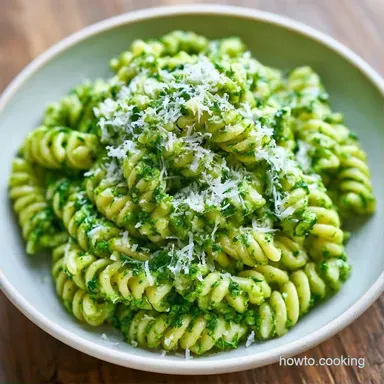
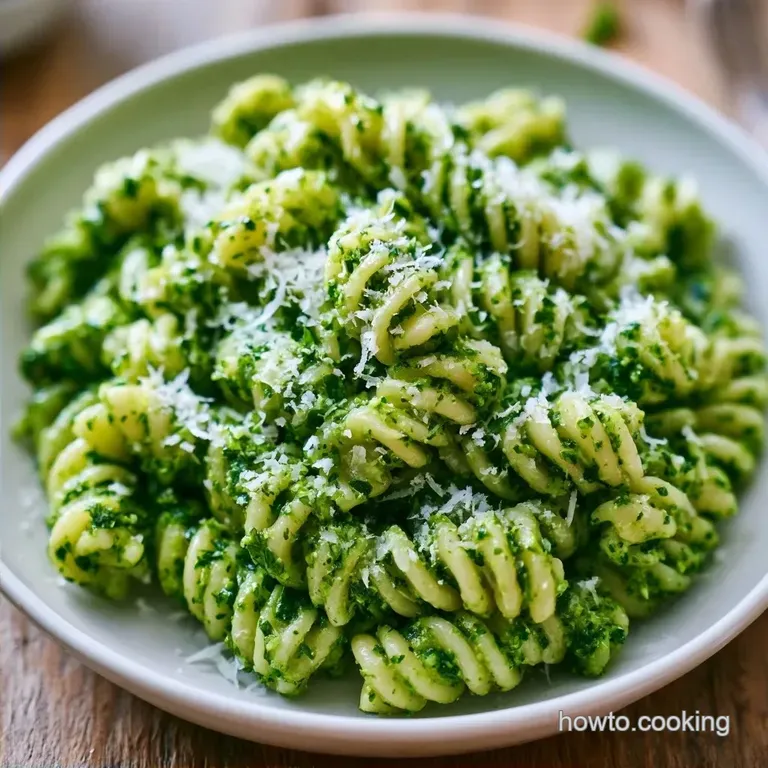
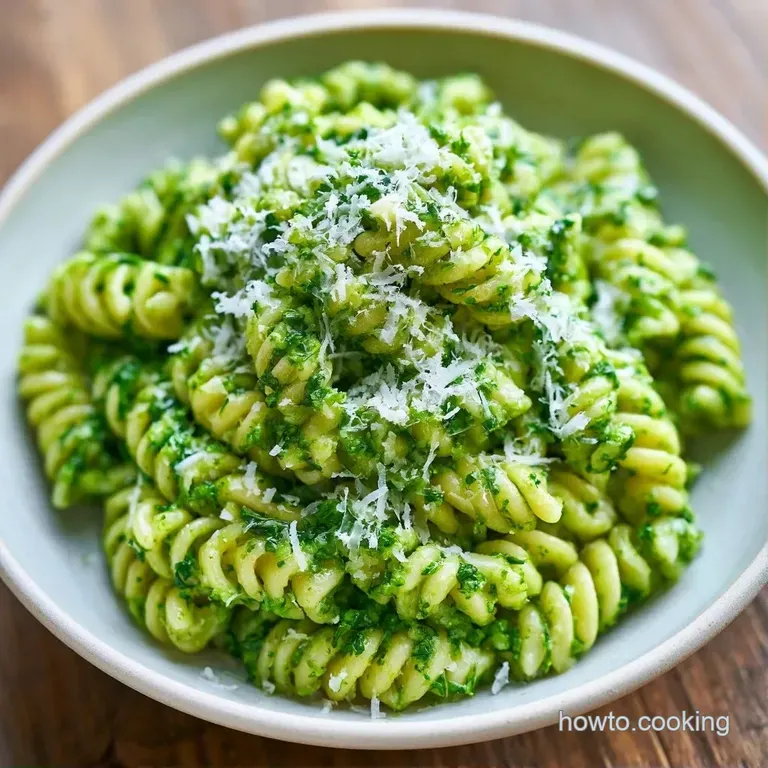
You can expect a dish that feels indulgent but comes together in a flash. We're talking about a rich, pale green sauce that coats every ridge of the pasta. It's a straightforward meal that tastes like you spent an hour over the stove.
Why You'll Love This
- Stability: The cream cheese prevents the pesto from breaking, so you don't get oil puddles on your plate.
- Speed: Most of the work happens while the pasta boils, keeping your active time under 10 minutes.
- Versatility: It works with almost any short pasta shape and takes well to added proteins or greens.
| Method | Time | Texture | Best For |
|---|---|---|---|
| Stovetop | 15 min | Glossy & Fluid | Quick weeknights |
| Oven Bake | 35 min | Thick & Crusted | Meal prep/Crowds |
Ingredient Deep Dive
- The Glue
- Cream cheese acts as the emulsifier, binding the oil from the pesto with the starchy water.
- The Punch
- Basil pesto provides the primary flavor, but the cheese mellows out the raw garlic bite.
- The Binder
- Parmesan adds a salty, crystalline finish that tightens the sauce.
| Ingredient | What It Does | Best Swap |
|---|---|---|
| Cream Cheese | Thickens and stabilizes | Mascarpone (richer, less tangy) |
| Basil Pesto | Core flavor profile | Sun dried tomato pesto (zesty/sweet) |
| Penne/Fusilli | Holds the sauce in ridges | Rotini or Bowtie |
Essential Kitchen Gear
You only need a few basics for this. A large pot for the pasta and a wide skillet are the main requirements. I prefer a stainless steel or non stick skillet so the cream cheese doesn't stick to the bottom during the melting phase.
A whisk is helpful for getting the sauce smooth, but a sturdy wooden spoon works fine too.
The Cooking Process
Phase 1: The Pasta Foundation
Bring a large pot of salted water to a rolling boil. Add 1 lb of penne or fusilli and cook until al dente. Trust me on this, don't overcook it, as the pasta will cook a bit more in the sauce. According to Serious Eats, al dente pasta maintains a better structure and a slight bite. Reserve 1 cup of the cloudy pasta water before draining.
Phase 2: Building the Emulsion
Heat 1 tbsp olive oil in a large skillet over medium heat. Sauté 2 cloves of minced garlic for 30-60 seconds until it smells fragrant but hasn't browned. Lower the heat and stir in 1/2 cup softened cream cheese and 1/2 cup basil pesto.
Whisk constantly until the cheese melts into a smooth, pale green paste.
Phase 3: The Final Fusion
Slowly whisk in 1/2 cup of the reserved pasta water. Stir until the sauce reaches a velvety, pourable consistency. Fold in the cooked pasta and 1/4 cup grated Parmesan. Toss in 2 cups of baby spinach and 1 lb of seared chicken breast, stirring until the leaves wilt and every noodle is glossy.
Sprinkle with 1/2 tsp red pepper flakes for a bit of heat.
Tips and Pitfalls
Chef's Note: To avoid a grainy sauce, make sure your cream cheese is truly softened at room temperature before it hits the pan. If it's ice cold, it can clump rather than melt.
Avoid Grainy Cheese
If the sauce looks curdled, it usually means the heat was too high. Lower the flame and add a splash more pasta water. Stir gently; the starch in the water helps pull the fats back together.
Prevent Brown Pesto
High heat kills the bright green color of basil. Always add the pesto after the garlic is sautéed and keep the heat medium low. If you're making a homemade pesto pasta, the color is even more sensitive.
Fix Thick Sauce
Pasta absorbs liquid quickly. If the dish looks dry, stir in an extra tablespoon of pasta water or a teaspoon of olive oil. This restores the glide without thinning the flavor.
| Problem | Root Cause | Solution |
|---|---|---|
| Sauce is too thick | Too much pasta absorbed water | Add 1-2 tbsp pasta water |
| Pesto tastes bitter | Overcooked basil/garlic | Balance with a squeeze of lemon |
| Sauce separates | Heat was too high | Whisk in a splash of warm water |
Tasty Flavor Variations
If you want to change the vibe, you can swap the proteins. Shrimp or scallops work beautifully with the cream cheese base. For a more earthy twist, try adding sautéed mushrooms or artichoke hearts.
If you're feeling fancy, you can use a creamy pesto pasta sauce as a base for a baked casserole. Just top it with mozzarella and broil for 3 minutes until the cheese bubbles. For those who prefer a lighter version, replace half the cream cheese with Greek yogurt, though it will be tangier.
- If you want it zesty
- Add a squeeze of fresh lemon juice at the end.
- If you want it spicy
- Double the red pepper flakes.
- If you want more greens
- Add chopped kale or peas during the final toss.
Scaling Guidelines
Cutting the recipe in half: Use a smaller skillet to prevent the sauce from evaporating too quickly. Use 1/4 cup cream cheese and 1/4 cup pesto. I recommend beating one egg and using half if you're adding a binder for a baked version, but for this stovetop version, just halve the liquids.
Doubling the recipe: Don't double the salt or red pepper flakes immediately. Start with 1.5x the amount and taste it. Use a very large pot for the pasta, as 2 lbs of noodles can easily boil over. Work in batches if your skillet isn't wide enough to toss everything without spilling.
Debunking Pasta Myths
Searing the chicken separately does not "lock in juices," but it does provide a brown crust that adds depth to this Creamy Cheese Pesto Pasta. If you cook the chicken in the sauce, it will be tender but lack that savory punch.
Also, you don't need to rinse your pasta. Rinsing removes the surface starch that helps the cream cheese and pesto stick to the noodles. Keep that starch for a better grip.
Storage and Reheating
Keep leftovers in an airtight container in the fridge for up to 4 days. The sauce will thicken significantly as it cools because the pasta continues to drink the moisture.
For freezing, this dish is okay for about 2 months, but the pesto color may fade. I suggest freezing the pasta and sauce together in portions.
The Best Reheating Method
Avoid the microwave if you can, as it often splits the cream cheese. Instead, put the pasta back in a skillet over low heat. Add a splash of milk or water to loosen the sauce. Stir gently until it's hot and glossy again.
Zero Waste Tips
Don't throw away the stems of your basil if you're making the pesto from scratch. Blend them into the sauce for extra flavor. Any leftover pasta water that didn't make it into the pan can be used to thin out other sauces or even added to a soup for a bit of body.
Perfect Pairing Ideas
The Fresh Contrast
Since this is a rich, heavy dish, you need something acidic to cut through the fat. A simple arugula salad with lemon vinaigrette and shaved radishes works best. The bitterness of the greens balances the creaminess of the cheese.
The Classic Comfort
If you're going full comfort mode, serve this with a side of toasted garlic bread. Rub a raw garlic clove on the bread after toasting it for an extra layer of flavor that complements the pesto.
Recipe FAQs
Can I mix cream cheese with pesto for pasta?
Yes, it creates a rich, velvety texture. Whisking softened cream cheese into pesto helps the sauce cling better to the noodles.
What cheeses go well with pesto pasta?
Parmesan and light cream cheese are the best choices. The Parmesan adds a salty punch while the cream cheese provides a smooth, creamy base.
What should I add to pesto pasta to make it a complete meal?
Stir in pan-seared chicken breast and fresh baby spinach. These additions provide lean protein and nutrients, making the dish more filling.
How to make this creamy pesto pasta?
Boil pasta until al dente and reserve a cup of pasta water. Sauté garlic in olive oil, stir in softened cream cheese and pesto, then whisk in the reserved water before folding in the pasta and Parmesan.
How to use jarred pesto in this recipe?
Lower the heat before stirring the pesto into your sauce. Overheating jarred pesto can dull the bright green color; if you enjoyed mastering the creamy emulsion here, see how the same principle works in our Basil Pesto Cream Sauce.
How to keep the sauce from becoming grainy?
Ensure your cream cheese is softened to room temperature. Adding ice-cold cheese to a warm pan causes it to clump rather than melt smoothly.
Is it true that any pasta shape works for this sauce?
No, this is a common misconception. Shapes like Penne or Fusilli are ideal because their ridges and spirals hold onto the thick sauce much better than flat noodles.
Creamy Cheese Pesto Pasta