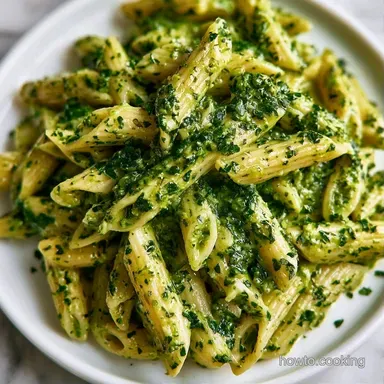
Quick Creamy Pesto Pasta in 15 Minutes
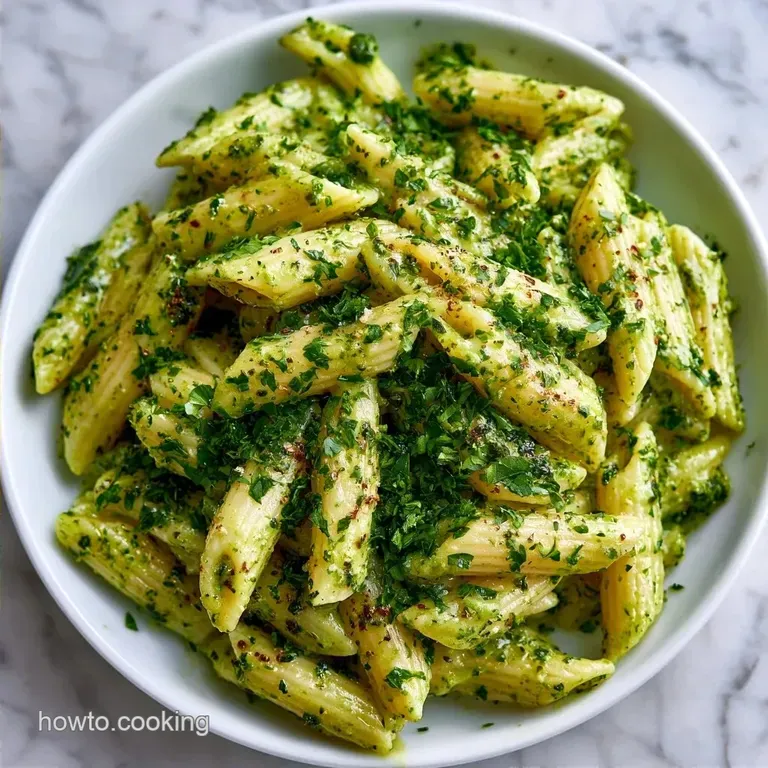
- Time: 5 min active + 10 min cook
- Flavor/Texture Hook: Rich, creamy, and herby
- Perfect for: Weeknight dinner, beginner friendly
- Quick Creamy Pesto Pasta for Busy Nights
- Why This Combination Works
- What Each Ingredient Does
- Budget-Friendly Shopping Guide
- Essential Kitchen Tools
- Step by Step Method
- Fixing Common Sauce Issues
- Ways to Change Flavors
- Adjusting Portion Sizes
- Common Kitchen Myths
- Keeping and Reheating Leftovers
- Serving and Pairing Ideas
- Recipe FAQs
- 📝 Recipe Card
Ever wondered why some restaurant pesto pasta tastes creamy but doesn't feel heavy or greasy? I used to think it was some fancy technique, but it actually comes down to how the fats in the cream and the oil in the pesto interact with the pasta starch.
Most people just dump pesto on hot noodles. That's fine, but it doesn't give you that glossy, clingy sauce that makes a dish feel like a meal. When you add a bit of heavy cream and a splash of pasta water, you create a stable emulsion.
This Quick Creamy Pesto Pasta is the best way to get those results without spending an hour in the kitchen. It's a budget smart approach that uses simple store-bought staples to create something that tastes like it took way more effort.
Quick Creamy Pesto Pasta for Busy Nights
The goal here is efficiency. We aren't making the pesto from scratch today because the store-bought stuff is usually consistent and saves us 10 minutes of cleaning the food processor. By searing the chicken first, we build a base of flavor in the pan that the sauce then picks up.
I've found that using a wide skillet is better than a deep pot for the final toss. It gives the pasta more room to move and ensures every piece of penne is coated. If you're craving something more traditional, try my traditional pesto pasta instead.
But for tonight, we want that rich, comforting feel. The cream cuts through the sharpness of the garlic and the saltiness of the Parmesan, making the whole dish feel more balanced.
Why This Combination Works
Pasta Water: The cloudy water contains starch that acts as a bridge between the fat in the cream and the pasta.
Low Heat Finish: Basil loses its bright color and flavor if it boils, so we stir it in at the end.
Butter Foam: Melting butter until it foams helps the garlic release its aroma without burning.
| Method | Time | Texture | Best For |
|---|---|---|---|
| Stovetop | 15 mins | Glossy/Coated | Fresh dinners |
| Oven Bake | 35 mins | Crusty/Cheesy | Meal prep |
What Each Ingredient Does
| Ingredient | What It Does | Best Swap |
|---|---|---|
| Heavy Cream | Adds richness and stability | Whole milk + 1 tbsp flour |
| Basil Pesto | Provides the core herby flavor | Spinach pesto |
| Pasta Water | Emulsifies the sauce | A splash of chicken broth |
| Parmesan | Thickens and adds salt | Pecorino Romano |
Budget Friendly Shopping Guide
For the pasta, penne or fusilli are your best bets. These shapes have ridges and holes that trap the sauce, which means you can actually use less sauce to get the same flavor. If you're on a tight budget, look for store brand pasta, as the difference in taste is negligible once the pesto is added.
When buying pesto, check the label for "olive oil" rather than "sunflower oil" for a better taste. The chicken breast is the leanest option, but chicken thighs work if you want a juicier result. Just keep in mind that thighs will add more fat to the pan.
For the dairy, heavy cream is the standard, but you can use half and half. You'll just notice the sauce is slightly thinner. Don't skip the butter, as it helps the garlic sauté properly without sticking to the pan.
- 1 lb (450g) Penne or Fusilli pasta Why this? Ridges hold the creamy sauce better
- 4 cups (950ml) Water
- 1 tbsp (15g) Salt
- 1/2 cup (125g) Basil pesto Why this? Quick flavor base
- 1/2 cup (120ml) Heavy cream Why this? Creates the creamy texture
- 1/2 cup (120ml) Reserved pasta water Why this? Prevents the sauce from breaking
- 2 tbsp (30g) Unsalted butter
- 2 cloves (6g) Garlic, minced
- 1/4 cup (25g) Grated Parmesan cheese
- 1 lb (450g) Chicken breast, cut into bite sized cubes Why this? Lean protein that cooks fast
- 1 tbsp (15ml) Olive oil
Essential Kitchen Tools
You don't need much for this recipe. A large pot for the pasta and a wide skillet for the sauce are the only essentials. Using a skillet instead of a saucepan is a pro move because it allows the liquid to reduce faster.
A slotted spoon or tongs will make it easier to move the pasta from the pot to the pan. If you have a whisk, use it to stir the cream and pesto together for a smoother consistency. Otherwise, a wooden spoon works just fine.
Step by step Method
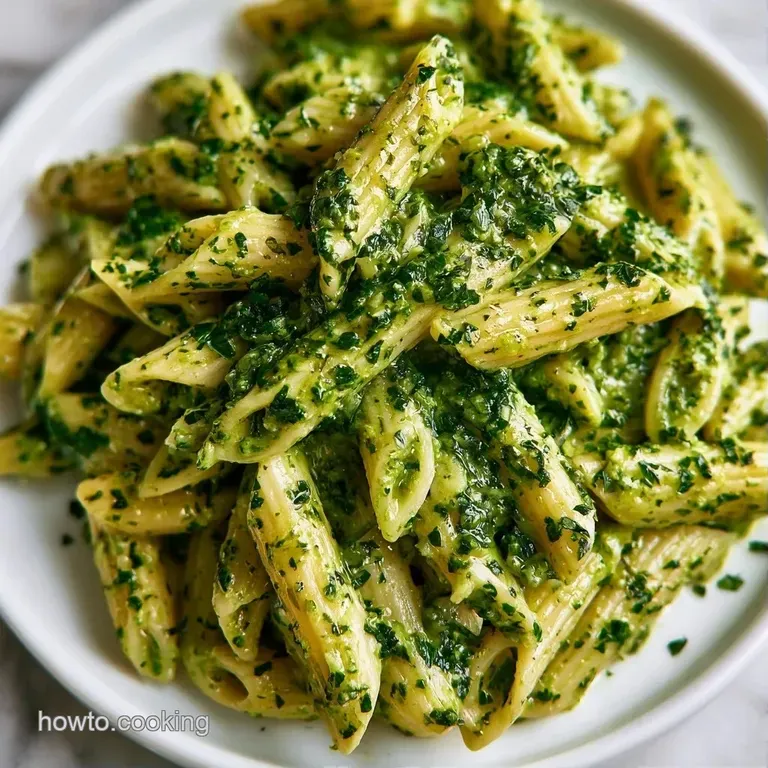
This Quick Creamy Pesto Pasta comes together in a flash if you time the pasta and the chicken correctly.
Phase 1: The Perfect Boil
- Bring a large pot of salted water to a rolling boil.
- Add the pasta and cook according to package instructions until al dente (usually 1-2 minutes less than the box says). Note: This prevents the pasta from overcooking in the sauce
- Before draining, scoop out about 1 cup of the cloudy pasta water and set it aside. Drain the rest.
Phase 2: Searing the Protein
- Heat olive oil in a large skillet over medium high heat, add chicken breast cubes and cook until golden brown and cooked through (about 5-7 minutes), then remove chicken from the pan and set aside.
Phase 3: Building the Emulsion
- In the same skillet, melt the butter over medium heat until it begins to foam.
- Stir in minced garlic and sauté for 30-60 seconds until fragrant.
- Lower the heat to medium low and pour in the heavy cream. Let it simmer gently for 2 minutes until slightly thickened.
- Stir the pesto into the cream until the sauce is a uniform, velvety green.
Phase 4: The Final Toss
- Add the cooked pasta and cooked chicken to the skillet.
- Pour in 1/4 to 1/2 cup of the reserved pasta water and toss everything together until well coated.
Fixing Common Sauce Issues
If your Quick Creamy Pesto Pasta isn't looking right, it's usually a temperature or liquid issue. Most mistakes happen in the final two minutes of cooking.
The Sauce Separated or Looks Oily
This usually happens if the heat was too high when the pesto was added. The oil in the pesto separates from the cream. To fix it, whisk in a tablespoon of pasta water over low heat.
The Pasta is Too Dry
If the sauce doesn't cling or looks "clumpy," you didn't add enough pasta water. The starch in that water is what makes the sauce smooth. Add more reserved water one tablespoon at a time until it glazes the noodles.
The Sauce is Too Bland
Store-bought pesto varies in saltiness. If the dish tastes flat, add a squeeze of fresh lemon juice or an extra pinch of Parmesan. The acidity of lemon wakes up the basil flavor.
| Problem | Root Cause | Solution |
|---|---|---|
| Grainy Sauce | Cream boiled too hard | Stir in 1 tbsp butter on low heat |
| Dull Color | Overcooked basil | Add a teaspoon of fresh chopped basil |
| Chicken Dry | Overcooked in pan | Reduce sear time by 1 minute |
Ways to Change Flavors
Since this is a versatile base, you can easily tweak the Quick Creamy Pesto Pasta to fit whatever is in your fridge. If you're feeling adventurous, try these swaps.
For a Lighter, Cream Free Version
You can replace the heavy cream with a dollop of Greek yogurt or cream cheese. If you use yogurt, stir it in at the very end off the heat to prevent it from curdling. This gives a tangy, lush finish without the heavy fat.
For a Veggie Packed Meal
Sauté some baby spinach or frozen peas in the pan right after the garlic. They only need 2 minutes to cook. Adding sun dried tomatoes also provides a sweet tart contrast to the creamy sauce.
For a Zesty Twist
Add a teaspoon of lemon zest and a pinch of red pepper flakes during the garlic stage. The heat from the pepper and the brightness of the lemon make the pesto pop.
Adjusting Portion Sizes
Scaling a Quick Creamy Pesto Pasta is straightforward, but don't just double everything blindly.
Scaling Down (Half Recipe): Use a smaller skillet to prevent the cream from evaporating too quickly. Reduce the garlic to one large clove and use 1/4 cup of pesto and cream. Your cook time for the chicken will remain the same, but the sauce will thicken in about 1 minute instead of 2.
Scaling Up (Double Recipe): Do not double the salt in the pasta water; 1.5 tablespoons is enough for 2 lbs of pasta. Work in batches when searing the chicken. If you crowd the pan, the chicken will steam instead of brown, and you'll lose that golden crust.
Reduce the total liquid by about 10% to avoid a soupy consistency.
Common Kitchen Myths
Searing chicken "locks in the juices." This is a myth. Searing creates flavor through browning, but moisture loss happens regardless of the heat. The goal of the sear is taste, not moisture retention.
Adding oil to pasta water prevents sticking. In reality, oil just floats on top and prevents the sauce from clinging to the pasta. Salt is for flavor, and a rolling boil is what prevents sticking.
Keeping and Reheating Leftovers
This Quick Creamy Pesto Pasta stays good in the fridge for up to 3 days. Store it in an airtight container. You'll notice the pasta absorbs the sauce as it sits, making it look a bit dry when you first open the container.
For freezing, I don't recommend it. The cream can break, and the basil loses its vibrancy, leaving you with a greyish sauce. If you must freeze it, do so for no more than a month.
To reheat, avoid the microwave if possible. Put the pasta back in a skillet over medium low heat and add a splash of water or milk. This loosens the sauce and brings back that glossy texture.
To reduce waste, save any leftover pesto in a jar topped with a thin layer of olive oil. This prevents oxidation and keeps it fresh for another week. Use the leftover pasta water for your houseplants (once cooled!) as the starch can be beneficial.
Serving and Pairing Ideas
For a complete balanced meal, serve this with a crisp arugula salad tossed in lemon and olive oil. The bitterness of the greens cuts through the richness of the cream. A side of garlic bread is great, but a simple sliced tomato salad with balsamic glaze is a lighter choice.
This creamy vibe is similar to my creamy chicken lasagna, but way faster. If you're serving this for a crowd, garnish with fresh basil leaves and extra shaved Parmesan.
For a comfort food feast, pair it with roasted broccoli or asparagus. The charred edges of the vegetables complement the herby notes of the pesto. Serve in warmed bowls to keep the sauce from thickening too quickly while you eat.
Recipe FAQs
What to put in pesto pasta to make it creamy?
Heavy cream and butter. Simmering these together before adding the pesto creates a rich, velvety base.
How to make a simple creamy pesto sauce?
Melt butter over medium heat and sauté minced garlic. Pour in heavy cream, simmer for 10 minutes, then stir in the pesto until the sauce is uniform.
How to make quick easy pesto pasta?
Boil pasta until al dente while browning cubed chicken in olive oil. Combine the cooked pasta and chicken with a simmered mixture of butter, garlic, heavy cream, and pesto.
Is it true that pesto is safe for people with GERD?
No, this is a common misconception. The garlic and oil used in the sauce are frequent triggers for acid reflux.
How can I use pesto from a jar with pasta?
Stir the jarred pesto into the cream and butter mixture. This incorporates the flavors more evenly than tossing it with dry pasta.
What should I put in my pesto pasta to make a good meal?
Add golden brown chicken breast and grated Parmesan cheese. For another high protein variation, you can try a protein cottage cheese pasta sauce.
How to prevent the sauce from being too thick?
Stir in reserved pasta water. Adding 1/4 to 1/2 cup of the starchy water thins the sauce and helps it coat the pasta evenly.
Quick Creamy Pesto Pasta