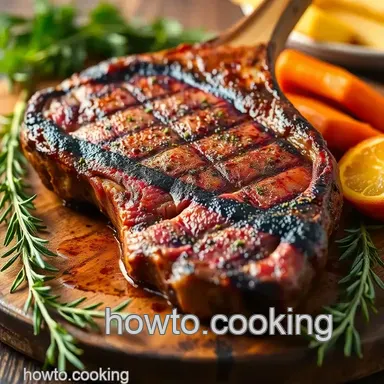
Grilled Tomahawk Steak with Herb Infusion

- Time: 15 min active + 30 min cook + 10 min resting
- Flavor/Texture Hook: A crisp, charred exterior paired with decadent, herb-infused butter
- Perfect for: Celebration meals or a protein-packed family dinner
There is nothing quite like the loud sizzle of meat hitting a blistering hot grill. When I first tackled a Tomahawk, I made the mistake of treating it like a standard cut. By searing it immediately, I ended up with a charred outside and a center that was practically frozen. It was a complete disaster.
I soon learned that these massive cuts require a specialized strategy. You can't simply blast them with heat; patience with the temperature is key.
Everything changed once I adopted the reverse sear. This Grilled Tomahawk Steak with Herb Infusion delivers a professional steakhouse experience right in your own kitchen. The secret is a gradual rise in internal temperature finished with a brief, intense sear.
Grilled Tomahawk Steak with Herb Infusion
The beauty of this approach is how it handles the thickness of the meat. If you go over high heat immediately, the outside overcooks before the middle even gets warm. By starting low, the meat dries out slightly on the surface, which actually helps the final crust form faster.
If you're interested in how different cuts behave, checking out tips for grilling ribeye steak can help you understand the fat distribution in these types of beef.
Reverse Sear: Heating the meat slowly prevents the edges from overcooking, leaving the interior a consistent pink from edge to edge.
Fat Soluble Aromatics: Garlic and herbs release their oils into the butter when melted, which carries the flavor deeper into the meat than a dry rub alone.
Carry over Cooking: The internal temperature continues to rise about 5-10°F after you pull it off the grill.
| Goal | What to change |
|---|---|
| Rare Center | Pull at 120°F (49°C) |
| Medium Center | Pull at 135°F (57°C) |
| Leaner Cut | Reduce sear time by 1 min |
Gear For The Grill
While you can keep things simple, the right gear makes this process much smoother. A digital meat thermometer is non-negotiable; guessing the doneness of a 3 lb steak is a risk you shouldn't take.
For the sear, a cast iron skillet is an excellent option if your grill lacks a sufficiently hot spot. I also suggest using a carving board with a moat to capture the juices, keeping your counters from becoming a mess of beef fat.
What's Needed for the Steak?
Long tongs are essential for safety so you aren't hovering over a 225°F grill. If you're using a gas grill, ensure your burners are operating evenly to maintain a proper indirect heat zone.
The Ingredient Breakdown
I keep the seasoning simple because the beef is the star. Coarse salt is better than table salt here; it creates little pockets of flavor rather than just soaking in.
| Ingredient | What It Does | Best Swap |
|---|---|---|
| Tomahawk Steak | Main protein and visual wow | Thick cut Ribeye |
| Unsalted Butter | Carries the herb flavors | Ghee (for higher smoke point) |
| Fresh Rosemary | Adds piney, earthy notes | Fresh Sage |
| Lemon Zest | Cuts through the heavy fat | Small squeeze of lemon juice |
What Goes Into the Herb Infusion?
The mix of thyme and rosemary creates a classic profile. The garlic provides a sharp punch that mellows out as the butter melts over the hot meat. I use softened butter rather than melted butter to make the mixing process faster.
Quick Cooking Stats
Before you start, get your timing right. This isn't a "throw it on and go" meal. You need to account for the resting time, or all those juices will run out the second you slice into it.
| Original Ingredient | Substitute | Why It Works |
|---|---|---|
| Fresh Thyme | Dried Thyme | Works, but lacks the bright, citrusy punch of fresh |
| Neutral Oil | Avocado Oil | High smoke point, keeps the crust from burning |
| Kosher Salt | Sea Salt | Similar grain size and saltiness |
And just a quick heads up: using fresh herbs is a huge win here. Dried herbs can sometimes taste like hay when they hit high heat, whereas fresh ones just bloom.
Step by step Cooking

Now, let's begin the preparation. Ensure your steak has tempered for a while so it isn't chilled in the center.
- Use paper towels to thoroughly dry the surface of the meat. Note: Excess moisture creates steam, which hinders the development of a crust.
- Apply a coating of neutral oil and season generously with salt and pepper.
- In a small bowl, blend the softened butter, garlic, chopped rosemary, chopped thyme, and lemon zest until smooth.
- Prepare the grill for indirect heat (around 225°F / 107°C).
- Position the steak on the cool side of the grill and close the lid.
- Cook until the internal temperature reaches 115°F (46°C) for medium rare.
- Turn the grill up to its highest heat or bring a cast iron skillet to a smoking point.
- Sear each side for 2–3 minutes, including the fat cap, until a mahogany colored crust forms.
- Take the meat off the heat when the internal temperature hits 130°F (54°C).
- Move the steak to a carving board and let it rest for 10 minutes before slicing.
The Finishing Touch
Immediately after transferring the meat to the board, add a dollop of the herb butter on top. The heat will melt the butter, ensuring a velvety, tender center as the flavors soak in while it rests.
Fixing Common Steak Issues
Even with a plan, grilling a Tomahawk steak can be tricky. The biggest issue I see is people pulling the meat too late. Remember, it keeps cooking after it hits the board.
Grey Meat Fix
If you see a thick grey band around the edges, your sear was too long or your indirect heat was too high. According to Serious Eats, keeping a strict eye on the internal temp is the only way to avoid this. Next time, pull the meat 5 degrees earlier.
Butter Melting Fast
If your herb butter disappears instantly, you might be applying it while the steak is still on the grill. Apply it only during the resting phase. This keeps the butter from burning and allows it to baste the meat gently.
Grill Flare Ups
Large ribeyes have a lot of fat. When that fat hits the coals, it can cause flames to jump up. Move the steak to a different spot on the grill immediately to avoid soot and charred bitterness.
Storage And Waste Tips
If you have leftovers, let them cool before putting them in a plastic container. Seal it tight and keep it in the fridge for 3 days.
To reheat, don't use a microwave. It'll turn the steak into rubber. Instead, slice the meat and flash fry it in a pan with a bit of butter for 2 minutes per side.
Don't throw away that massive bone. You can toss it into a stock pot with some carrots, celery, and onions to make a rich beef broth. It's a waste of flavor to bin it.
Flavor Twists And Swaps
Feel free to customize the flavor profile. For a Mediterranean style, swap the rosemary for oregano and add a touch of minced parsley.
For an even more indulgent version, drizzle the slices with a homemade herb brown butter sauce. Its nuttiness complements the charred beef perfectly.
Make This dairy-free
Replace the butter with a high-quality vegan substitute or a combination of olive oil and minced garlic. You'll lose some of the creamy texture, but the herb-infused flavor remains.
Spicy Infusion
Incorporate a pinch of cayenne or one teaspoon of red pepper flakes into the butter. The heat helps cut through the ribeye's rich fat.
Best Sides For Beef
Because a Grilled Tomahawk Steak with Herb Infusion is quite rich, you'll want sides that provide a bright contrast. I typically opt for something fresh or acidic.
A side of charred asparagus or a zesty arugula salad with lemon vinaigrette works perfectly. If you prefer something more filling, garlic and chive smashed potatoes are a timeless pairing.
For more comprehensive nutritional data on beef and complementary sides, you can visit the USDA FoodData Central here. Pairing the dense protein with greens helps balance the meal.
Debunking the Sear Myth
Searing doesn't actually "seal in" the juices; this is a frequent misunderstanding. Moisture loss happens no matter your starting method. The purpose of the sear is to enhance flavor and texture, not to keep the steak moist.
The Importance of Resting
Slicing into a steak immediately forces the muscle fibers to release their liquids. Letting the meat rest for 10 minutes allows the fibers to relax and reabsorb those juices. Believe me, the patience is rewarding.
Recipe FAQs
How to achieve a professional crust?
Use paper towels to remove all surface moisture from the steak.
Tip: For better heat transfer, apply a layer of neutral oil before seasoning.
Is it true that searing first is better?
Surprisingly, no. Indirect heat at 225°F first ensures a more even internal temperature.
Tip: Save the high-heat sear for the final step to lock in the mahogany crust.
What temperature signals medium-rare?
Remove the steak from heat when the internal temperature hits 130°F (54°C).
Tip: Use a digital thermometer to avoid overcooking this expensive cut.
Which sides complement the herb infusion?
This rich cut pairs perfectly with some garlic bread crostini.
Tip: Serve with a fresh green salad to balance the heavy butter infusion.
Does the large bone need to be thrown away?
No, and here's why. The bone contains marrow and collagen that add depth to stocks.
Tip: Simmer it with carrots and celery for a rich beef broth.
Grilled Tomahawk Steak for 2 Servings