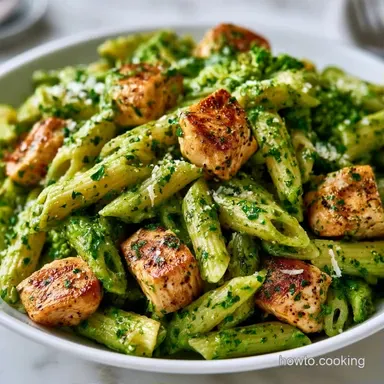
Creamy One Pot Chicken Pesto Pasta
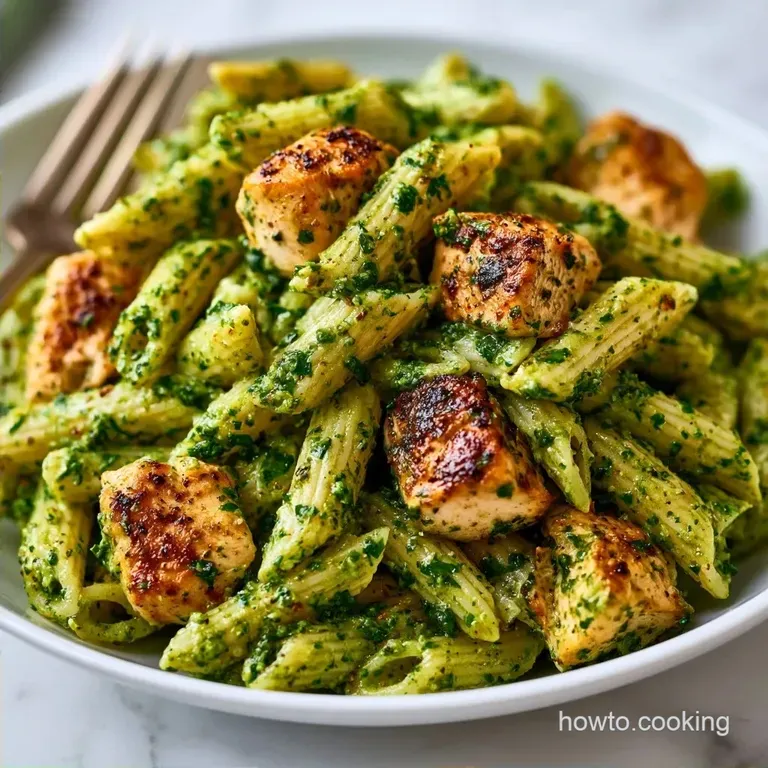
- Time: 10 min active + 20 min cook
- Flavor/Texture Hook: Creamy, savory, and velvety
- Perfect for: Busy weeknight dinners or beginner cooks
Making One Pot Chicken Pesto Pasta
That smell of burnt garlic is a scent I know too well. A few years ago, I tried to rush a pasta dish by throwing everything in at once, and I ended up with grey, rubbery chicken and pasta that had the texture of wet cardboard. It was a disaster that left me ordering pizza at 8 PM.
The problem with most one pot recipes is the timing. If you boil the meat with the noodles, the chicken gets tough, and the pasta releases too much starch, making the whole thing gummy. You need a specific order of operations to get that restaurant style coat on the noodles.
This version fixes those issues by searing the chicken first. We build a base of flavor in the pan and then use the starch from the pasta to bind the cream and pesto together. It's a straightforward process that doesn't leave you with a mountain of dishes.
Key Techniques That Work
The Fond Build: Browning the chicken first leaves brown bits on the bottom of the pan. When you pour in the broth, those bits dissolve and add a deep, savory layer to the sauce.
Starch Retention: Since we don't drain the water, the pasta starch stays in the pot. This acts as a binder, helping the heavy cream and pesto cling to every piece of penne.
Off Heat Finishing: Adding pesto and cream while the pan is still screaming hot can cause the sauce to break or the basil to turn brown. Removing the pan from the heat keeps the colors bright.
| Fresh Pesto | Shortcut Pesto | Result |
|---|---|---|
| Bright, grassy, punchy | Mellow, oily, consistent | Fresh is sharper, shortcut is more stable |
| Higher cost, short shelf life | Budget friendly, lasts months | Shortcut is better for bulk meal prep |
| Requires food processor | Ready to pour | Shortcut saves 10 minutes of prep |
Quick Recipe Specs
This meal is designed for a family of four. It's a hearty dish, so you don't need a lot of sides. The total time from chopping to eating is 30 minutes, making it a reliable go to when you're exhausted after work.
The nutrition is balanced with lean protein and greens, though it is rich due to the cream and cheese. If you're watching calories, you can easily swap the heavy cream for a splash of pasta water and a bit more Parmesan.
Ingredients and Smart Swaps
| Ingredient | What It Does | Best Swap |
|---|---|---|
| Chicken Breast | Main protein and bulk | Boneless thighs (more juice, slightly more fat) |
| Chicken Broth | Cooks pasta and adds salt | Vegetable broth (keeps it lighter) |
| Basil Pesto | Core flavor and fat | Sun dried tomato pesto (tangier profile) |
| Heavy Cream | Adds richness and body | Full fat coconut milk (nutty, dairy-free) |
The Full List:
- 1 lb boneless skinless chicken breast, cut into 1 inch cubesWhy this? Lean protein that cooks quickly in small cubes
- 2 tbsp olive oilWhy this? High smoke point for searing
- 1/2 tsp salt
- 1/4 tsp black pepper
- 12 oz penne or rotini pastaWhy this? Ridges hold onto the thick sauce
- 3 cups low sodium chicken brothWhy this? Controls salt levels since pesto is salty
- 2 cloves garlic, minced
- 1/2 cup prepared basil pesto
- 1/2 cup heavy cream
- 1/2 cup grated Parmesan cheese
- 2 tbsp fresh basil, torn for garnish
- 1 cup asparagus tips or frozen peasWhy this? Adds color and a fresh snap
Tools for the Job
You don't need a fancy kitchen for this. A large deep skillet or a Dutch oven is the only essential piece of gear. You need something with high sides so the pasta has room to move without splashing broth all over your stove.
A sturdy wooden spoon or silicone spatula is helpful for stirring. You'll want to scrape those brown bits off the bottom of the pan during the simmering phase. A lid that fits tightly is also necessary to keep the steam in and cook the pasta evenly.
The Cooking Process
Phase 1: Searing for Depth
Heat the olive oil in your skillet over medium high heat. Season the chicken cubes with salt and pepper. Add them to the pan and cook for 5-7 minutes until they are golden brown on all sides.
Stir in the minced garlic during the last 30 seconds of searing until it smells fragrant but hasn't turned brown.
Phase 2: The One Pot Simmer
Pour in the chicken broth and bring the liquid to a boil. Stir in the penne or rotini. Turn the heat down to a simmer and put the lid on. Cook for 10-12 minutes, stirring every few minutes until the pasta is al dente and the liquid has thickened into a glaze.
Stir in your asparagus or peas during the last 3 minutes of this simmer.
Phase 3: The Creamy Finish
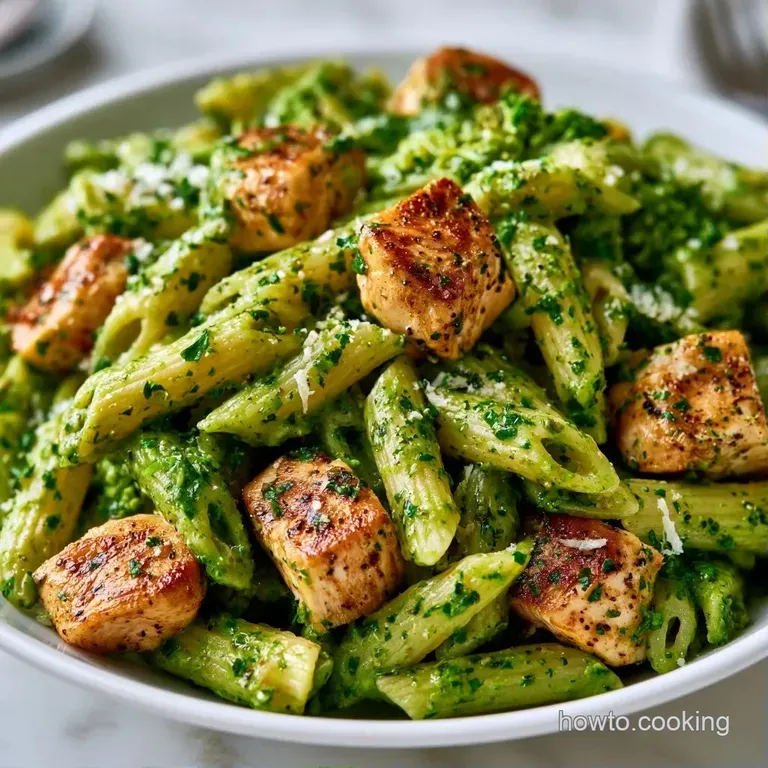
Take the pan completely off the heat. Stir in the heavy cream, prepared pesto, and Parmesan cheese. Toss everything gently until the sauce is and coats the chicken. Let the pasta sit for 2 minutes. This allows the sauce to tighten up and stick to the noodles.
Garnish with the torn basil.
Chef Note: If you find the sauce is too thick after the 2 minute rest, stir in a tablespoon of warm water or extra broth to loosen it up.
Fixing Common Disasters
It's easy to mess up the liquid ratio in one pot meals. Most people either end up with a soup or a burnt pan. The key is the stirring; pasta releases starch that can settle at the bottom and scorch if left alone for too long.
Sauce Too Thin
If your sauce looks like a soup, you likely didn't simmer long enough or used too much broth. You can fix this by simmering for another 2 minutes without the lid. Alternatively, stir in an extra tablespoon of Parmesan cheese to thicken it instantly.
Pasta Stuck to Bottom
This usually happens if the heat is too high or you didn't stir. If you see sticking, don't panic. Add a splash of broth and scrape the bottom of the pan with a wooden spoon to release the stuck bits.
Chicken Overcooked
Rubber chicken happens when you sear it for too long or boil it too aggressively. Stick to the 5-7 minute sear and ensure you're at a simmer, not a rolling boil, during the pasta phase.
| Problem | Root Cause | Solution |
|---|---|---|
| Gummy Noodles | Overcooking | Reduce simmer time by 1-2 mins |
| Bland Flavor | Low quality broth | Add 1/2 tsp lemon juice at the end |
| Broken Sauce | Heat too high | Remove pan from heat before adding cream |
Customizing Your Pasta
You can easily pivot this recipe to fit what's in your fridge. If you want a Healthy One Pot Chicken Pesto Pasta, swap the heavy cream for a dollop of Greek yogurt or ricotta. It gives you that same creaminess but a bit more tang and protein.
For a different vegetable profile, try a One Pot Chicken Pesto Pasta with Asparagus. The earthiness of the asparagus pairs perfectly with the basil. You could also add sun dried tomatoes or baby spinach at the very end.
If you have an afternoon free, you can make your own sauce. An Easy Homemade Pesto Pasta uses fresh basil and toasted pine nuts, which gives the dish a much punchier flavor than store-bought jars.
Decision Shortcut:
- Want it lighter? Skip the cream and add a squeeze of lemon.
- Want more heat? Stir in 1 tsp of red pepper flakes with the garlic.
- Want more veg? Add sliced zucchini along with the pasta.
Storage and Leftover Tips
Store leftovers in an airtight container in the fridge for up to 4 days. Because the pasta absorbs liquid as it sits, you'll notice the dish becomes much thicker and drier by the next morning.
When reheating, don't use the microwave on high. Heat the pasta in a pan over medium heat and add a splash of water, milk, or broth. This re emulsifies the sauce and brings back that creamy texture. If you're looking for a lighter meal, you might prefer a Traditional Pesto Pasta which doesn't use cream and reheats a bit more cleanly.
To avoid waste, use any leftover pesto as a spread for sandwiches or a dip for raw carrots. If you have leftover chicken broth, freeze it in ice cube trays to use for deglazing pans in future meals.
Best Side Pairings
Since this One Pot Chicken Pesto Pasta is quite rich, you want sides that cut through the fat. A crisp green salad with a sharp lemon vinaigrette is the best choice. The acidity cleanses the palate between bites of creamy pasta.
Roasted cherry tomatoes or sautéed broccolini also work well. Avoid serving this with other heavy starches like garlic bread, as the pasta is already filling enough. A simple piece of toasted sourdough rubbed with a raw garlic clove is plenty.
High in Sodium
910 mg 910 mg of sodium per serving (40% 40% of daily value)
The American Heart Association recommends a daily sodium limit of 2,300 mg for most adults to maintain heart health.
Tips to Reduce Sodium
-
Switch to No-Salt Broth-30%
Replace the low-sodium chicken broth with no-salt added chicken broth to eliminate hidden sodium from the liquid base.
-
Omit Added Salt-25%
Remove the 1/2 tsp of salt entirely; the Parmesan and pesto already contribute significant saltiness to the dish.
-
Homemade Basil Pesto-20%
Use a homemade pesto instead of prepared pesto to control the amount of salt and processed cheese added.
-
Limit Parmesan Cheese-15%
Reduce the grated Parmesan cheese by half and stir it in at the very end to maintain the flavor profile with less sodium.
-
Enhance with Fresh Aromatics
Increase the minced garlic or add a squeeze of fresh lemon juice to brighten the flavor without adding salt.
Recipe FAQs
Why does the pesto turn brown when I cook it?
Overheating causes oxidation. Pesto contains fresh basil, which loses its vibrant color when exposed to high heat. To keep it green, stir the pesto in only after removing the pan from the heat.
My pasta absorbed all the broth before it finished cooking. What went wrong?
The heat was likely too high or the lid was loose. This causes the liquid to evaporate faster than the pasta can hydrate. Ensure the pan is covered tightly and maintained at a gentle simmer.
Can I make this dish vegetarian?
Yes, replace the chicken with chickpeas or mushrooms. You will also need to substitute the chicken broth with vegetable broth to keep the recipe meat free.
Can I use fresh pasta instead of dried?
No, stick with dried pasta. Fresh pasta cooks much faster and releases more starch, which would disrupt the broth ratio and timing essential for this one-pot method.
How much pesto should I use if I want a stronger flavor?
Add an additional 2 to 4 tablespoons. Taste the sauce after the initial 1/2 cup is incorporated and add more incrementally to avoid overpowering the dish.
How to make this pesto pasta?
Brown the chicken, simmer the pasta in broth, and stir in the pesto and cream at the end. This specific order ensures the chicken is seared and the sauce remains velvety without breaking.
What are some recipes that use leftover homemade pesto?
Blend it into cream sauces or use it as a sandwich spread. If you enjoyed the flavor balance here, you can apply the same logic to create a creamy basil pesto sauce for fish or vegetables.
One Pot Chicken Pesto Pasta