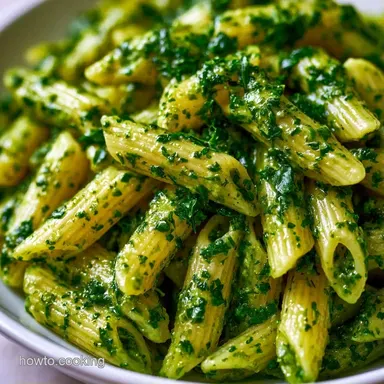
One Pot Creamy Pesto Pasta in 20 Minutes
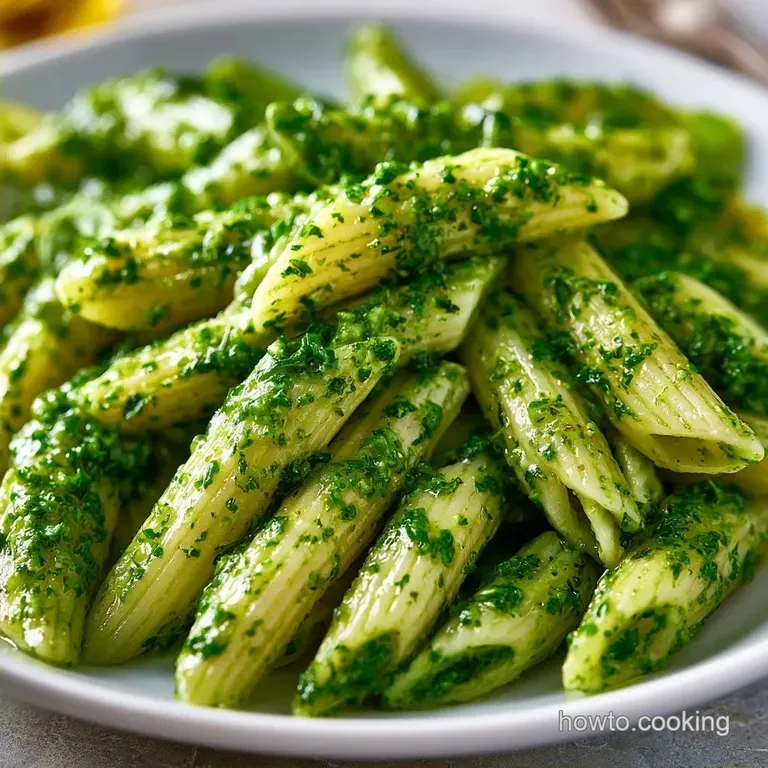
- Time: 5 min active + 15 min cook
- Flavor/Texture Hook: Rich and glossy sauce with tender chicken
- Perfect for: Hectic weeknights or beginner cooks
Hear that hiss? That's the sound of chicken breast hitting a hot skillet, and it's the best part of my Tuesday nights. I used to be the person who had a pot for pasta, a pan for meat, and a bowl for the sauce, only to end up with a mountain of dishes that made me hate the meal I just cooked.
I stopped doing that three years ago. I realized that if you cook the pasta right in the broth and cream, you get a sauce that clings to every noodle without needing a fancy reduction. This One Pot Creamy Pesto Pasta is my go to when I have exactly 20 minutes before the kids start asking "is it done ?"
You can expect a meal that tastes like you spent an hour in the kitchen, but you'll actually be leaning against the counter watching the pasta bubble. It's hearty, comforting, and doesn't leave you with a sink full of grime.
One Pot Creamy Pesto Pasta
- Starch Retention
- Cooking the pasta in the liquid keeps the starches in the pan, which acts as a natural thickener for the sauce.
- Fat Balance
- The combination of heavy cream and olive oil prevents the pesto from breaking, keeping the sauce smooth.
- One Pan Searing
- Searing the chicken first creates a brown crust that adds a deeper flavor to the broth.
| Method | Time | Texture | Best For |
|---|---|---|---|
| One Pot | 20 mins | Glossy & Cohesive | Busy weeknights |
| Classic | 35 mins | Lighter & Distinct | Traditional dinners |
What the Ingredients Do
| Ingredient | What It Does | Best Swap |
|---|---|---|
| Chicken Broth | Hydrates pasta & adds salt | Vegetable broth |
| Heavy Cream | Provides richness & body | Full fat coconut milk |
| Basil Pesto | Primary flavor & color | Sun dried tomato pesto |
| Parmesan | Adds umami & thickness | Pecorino Romano |
Quick Cooking Details
- - Pasta
- 12 oz (340g) penne or fusilli
- - Liquid
- 2 cups (480ml) chicken broth + 1 cup (240ml) heavy cream
- - Protein
- 1 lb (450g) chicken breast, bite sized
- - Flavor
- 1/2 cup (125g) basil pesto, 1/2 cup (50g) Parmesan, 1 tbsp lemon juice
- - Aromatics
- 2 tbsp olive oil, 3 minced garlic cloves, 1/2 tsp salt, 1/4 tsp black pepper
Chef's Note: Freeze your butter or cream for 10 minutes before adding if you want a slightly thicker bind, though it's not mandatory for this recipe.
The Only Tools Needed
You only need a 12 inch deep skillet or a wide Dutch oven. A wide pan is better because it lets the liquid evaporate evenly. If you use a narrow pot, the pasta on the bottom might overcook before the top is done. Use a silicone spatula or wooden spoon to stir, as these won't scratch your pan.
Step by step Method
Searing the Chicken
Heat 2 tbsp olive oil in your pan over medium heat. Add the chicken pieces and cook 5-7 mins until they are golden brown on all sides. Toss in the minced garlic and sauté for 60 seconds until you can smell it throughout the kitchen.
The Simmer Stage
Stir in the dry pasta, 2 cups chicken broth, 1 cup heavy cream, salt, and pepper. Bring the liquid to a gentle boil. Once it bubbles, turn the heat down to low medium. Simmer uncovered for 10-12 minutes, stirring often so the pasta doesn't stick to the bottom.
The Glossy Finish
Remove the pan from the heat immediately once the pasta is al dente. Stir in the basil pesto, Parmesan cheese, and lemon juice. Fold these in gently until the sauce looks silky and uniforms. The residual heat will melt the cheese without cooking out the fresh basil flavor.
Fixing Common Issues
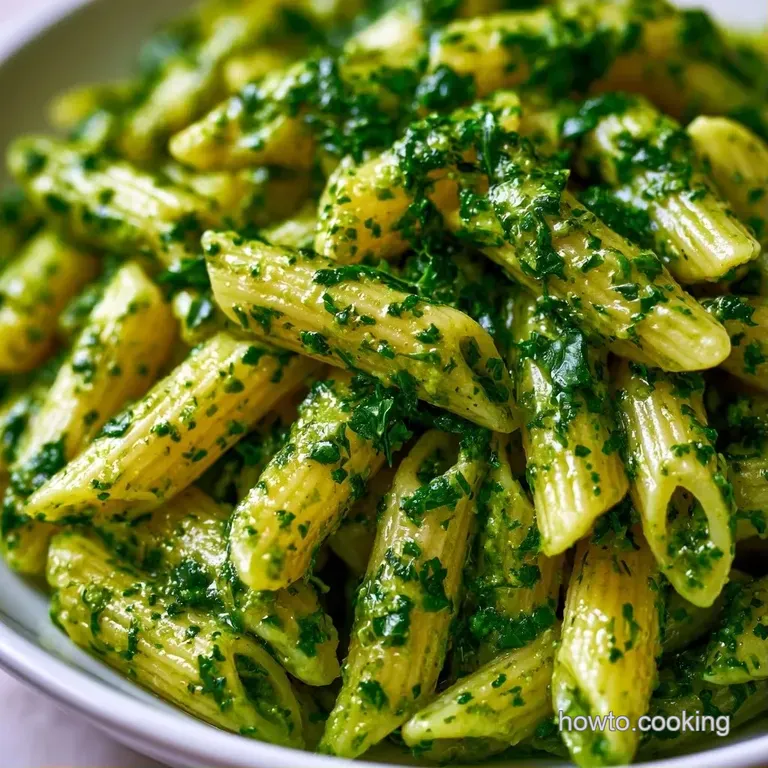
If your sauce feels a bit off, it's usually a heat or liquid issue. Too much heat can cause the cream to split, while too little liquid leaves the pasta hard.
Sauce Too Thin
This happens if the broth didn't reduce enough or you used too much liquid. Let the pan sit off the heat for 5 minutes, as the pasta will continue to absorb moisture. If it's still runny, stir in an extra tablespoon of Parmesan.
Pasta Still Hard
You might have had the heat too low or the pan was too crowded. Add 1/4 cup of warm broth and simmer for another 2-3 minutes.
Pesto Lost Color
Basil turns brown if it boils. This is why we add the pesto at the very end. If you cook it, the flavor becomes dull.
| Problem | Root Cause | Solution |
|---|---|---|
| Grainy Sauce | Cheese overheated | Remove from heat before stirring in Parmesan |
| Sticking Pasta | Not enough stirring | Stir every 2-3 mins during the simmer |
| Bland Flavor | Lack of acid | Add an extra squeeze of fresh lemon juice |
Adjusting Your Portion Size
When you need to feed a crowd or just yourself, don't just double everything blindly.
Cutting it in half: Use a smaller 8 inch skillet. Reduce the simmer time by about 20% since the liquid will reach a boil faster.
Doubling the recipe: Use a very large Dutch oven. Only increase the salt and pepper to 1.5x instead of 2x, as the broth's sodium concentrates as it reduces. Reduce the total liquid by about 10% (use 3.5 cups broth instead of 4) to prevent the sauce from becoming too soupy.
Pasta Logic Myths
Some people think you need to salt the water heavily for one pot meals. In this Easy One Pot Pesto Pasta, the chicken broth already provides a significant amount of sodium. If you over salt the start, the final reduced sauce will be too salty to eat.
Another myth is that you should boil the pesto. According to Serious Eats, high heat destroys the volatile oils in basil. Always stir in your pesto at the end to keep that bright, punchy taste.
Storage and Leftovers
Keep leftovers in an airtight container in the fridge for up to 4 days. The pasta will absorb more sauce as it sits, so it will be thicker when you eat it the next day.
To reheat, add a splash of water or milk to the bowl before microwaving. This loosens the sauce back up. I don't recommend freezing this dish because the heavy cream can separate, leaving you with a grainy texture.
For zero waste, save your Parmesan rind. Toss it into your next pot of soup or stock to add a deep, salty richness. If you have leftover pesto, freeze it in ice cube trays for a quick flavor boost in future meals.
The Best Sides
Since this is a rich dish, you need something acidic or crisp to balance it. A simple arugula salad with a lemon vinaigrette works wonders. If you want something heartier, a side of roasted asparagus or sautéed zucchini provides a nice snap.
For a full meal, serve this with a piece of toasted ciabatta rubbed with a raw garlic clove. The crunch of the bread against the creamy pasta is a great contrast.
Other Tasty Twists
If you want to change things up, try adding 1/2 cup of halved cherry tomatoes during the last 3 minutes of simmering. They burst and add a sweet acidity that cuts through the cream.
For a One Pot Pesto Pasta Vegetarian version, swap the chicken for chickpeas or sautéed mushrooms. Use vegetable broth instead of chicken broth. If you prefer something a bit more traditional, you can check out my traditional pesto pasta for a lighter approach.
If you're craving something even more decadent, try adding a handful of spinach at the very end. The heat from the pasta will wilt the leaves in seconds. For those who love a bit of a kick, a pinch of red pepper flakes added with the garlic makes this One Pot Creamy Pesto Pasta feel much more spirited. You could even try a homemade basil pesto pasta if you have a bunch of fresh basil in the garden.
Recipe FAQs
What makes the pesto pasta creamy?
Heavy cream and grated Parmesan cheese. These ingredients emulsify with the starchy pasta water and chicken broth to create a rich, glossy sauce.
Can you just add jarred pesto to pasta?
Yes, but for the best flavor, stir it in at the end. Adding pesto after removing the pan from the heat prevents the basil from darkening and losing its fresh taste.
How to make one pot creamy pasta?
Sauté chicken and garlic, then stir in dry pasta, broth, and cream. Simmer uncovered for 10 12 minutes until the liquid reduces into a thick sauce.
How to turn pesto into a creamy sauce?
Fold basil pesto and Parmesan into a reduced cream based sauce. If you enjoyed mastering the cream reduction here, see how the same principle works in our basil pesto cream sauce.
How to use jarred pesto for the best results?
Stir it in off the heat. Folding the pesto into the cooked pasta and cream at the final step ensures a vibrant green color and uniform consistency.
Is it true you must boil the pasta separately before adding the sauce?
No, this is a common misconception. Cooking the pasta directly in the broth and cream allows the starches to thicken the sauce naturally without extra steps.
What is the secret to balancing the richness of this pesto pasta?
Fresh lemon juice. A tablespoon of lemon juice added at the end cuts through the heavy cream and Parmesan, brightening the entire dish.
One Pot Creamy Pesto Pasta