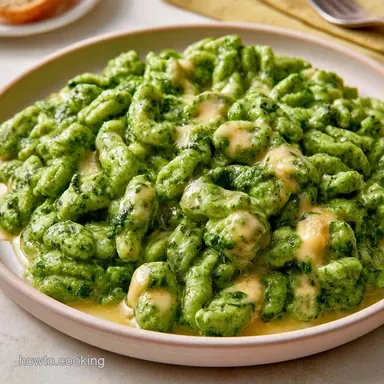
Spinach Spaetzle Side Dish in 20 Minutes
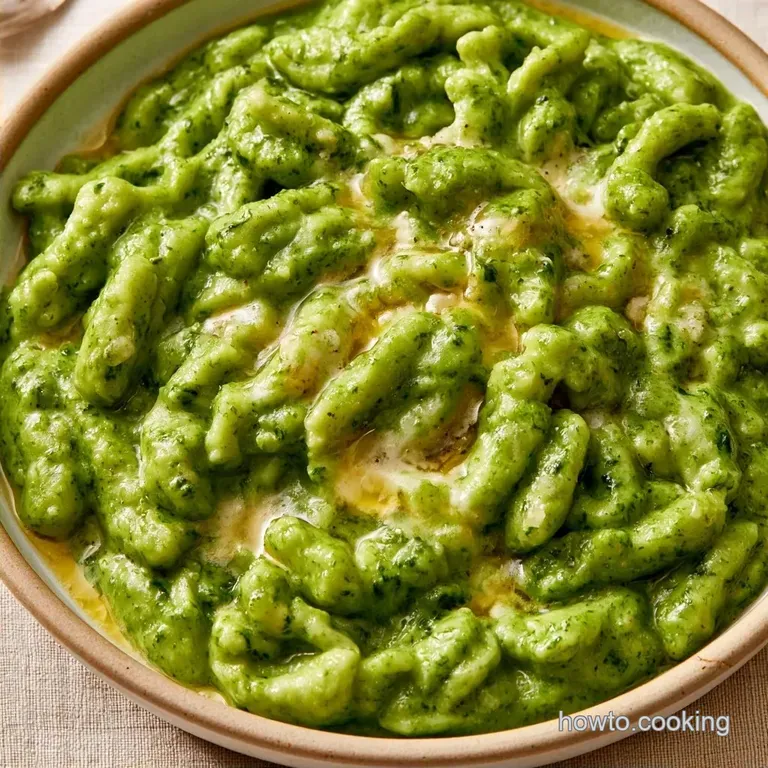
- Duration: 10 min active + 10 min cook
- Taste & Feel: Chewy noodles with mahogany browned edges
- Best as: A nutrient-dense weeknight side
Easy Spinach Spaetzle Side Dish
For me, the scent of bubbling butter in a pan means dinner is finally underway. Since my children tend to view anything green as an enemy, I wanted a shortcut that avoided an hour of chopping spinach or kneading dough, so I simply used a blender.
It was a success. The vivid green shade looks intriguing rather than intimidating, and the butter-sautéed touch tastes like a cozy meal at an alpine lodge. You get the same satisfying, bouncy chew characteristic of traditional German noodles, but with far less labor.
The goal here is maximum efficiency. We're swapping out the usual board and knife for a high-speed blitz. This creates a glossy batter that cooks in minutes, letting you spend less time prepping and more time eating.
Why This Method Works
Blender Base: Blending spinach with eggs creates a stable, uniform green base. This keeps the color vivid and ensures the spinach flavor is in every single bite.
Egg Ratio: The high egg to flour ratio creates the signature "bounce." It provides the structure needed to keep the noodles from falling apart in the boiling water.
The Sauté: Searing the boiled noodles in butter creates a crust. This adds a nutty depth that balances the earthy taste of the spinach.
The Main Ingredients
Baby spinach gives the batter its vibrant hue and nutritional value. Fresh leaves are preferred over frozen, as the latter often contain too much moisture, which can make the batter too thin. Eggs act as the binder, while flour provides the structure.
A pinch of nutmeg is an essential addition; it enhances the richness of the greens without adding any sweetness.
The whole milk smooths the texture, ensuring the batter moves easily through the ricer. Finally, the unsalted butter elevates these from simple boiled noodles to a restaurant-quality side dish.
| Original Ingredient | Substitute | Why It Works |
|---|---|---|
| All purpose flour (125g) | Spelt flour (125g) | Similar protein content. Note: Adds a nuttier, more rustic flavor |
| Whole milk (30ml) | Unsweetened almond milk (30ml) | Similar liquid consistency. Note: Very slight nutty undertone |
| Unsalted butter (57g) | Ghee (57g) | Higher smoke point. Note: Deeper, toasted flavor profile |
Tools You'll Need
No professional equipment is required; a few basic tools will do. You'll want a blender to ensure the green batter is perfectly smooth, plus a mixing bowl and whisk for the flour.
For the actual cooking, use a deep pot to boil the water and a wide skillet for the sauté. The most specialized tool is a spaetzle press or potato ricer, but a colander with large holes and a sturdy spoon can serve as a great substitute.
Step-by-step Cooking
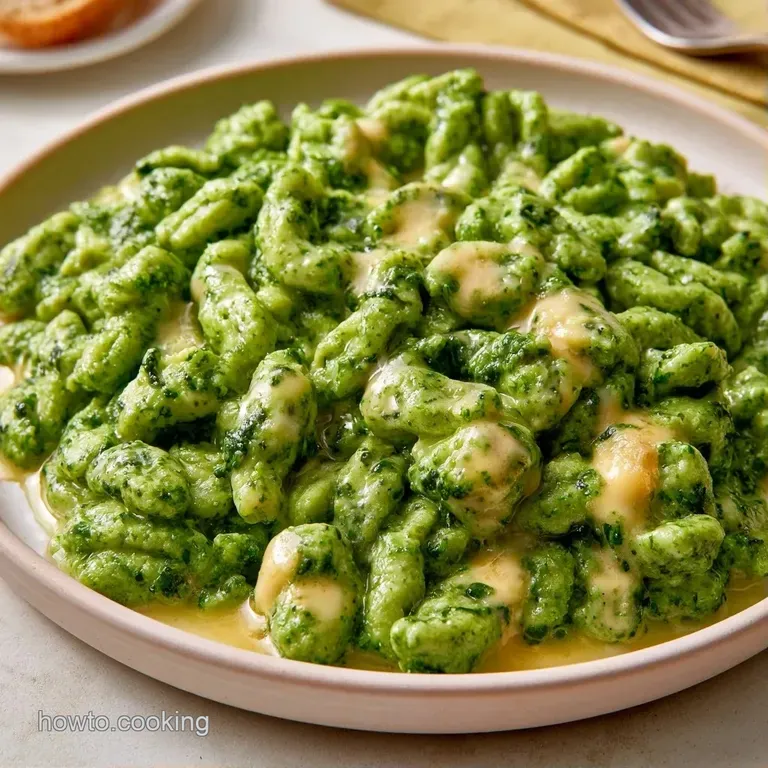
Phase 1: Creating the Green Base
- Put the fresh baby spinach, eggs, salt, and nutmeg into the blender.
- Process on high until the mixture is a vivid, uniform green. Note: Ensure there are no leftover leafy chunks.
- Transfer the liquid to a mixing bowl.
- Stir in the flour until just combined. Stop when the batter is thick and glossy. Note: Over-mixing leads to gummy noodles.
Phase 2: The Boil and Drop
- Set a large pot of salted water on the stove and let it reach a rolling boil.
- Load the batter into your spaetzle press or ricer.
- Carefully press the dough into the boiling water in small increments.
- Cook for 2-3 mins until the noodles rise to the surface.
- Use a slotted spoon to lift the noodles and drain them.
Phase 3: The Golden Sauté
- Over medium high heat, melt the butter in a skillet until it foams and smells nutty.
- Add the boiled noodles in a single layer.
- Let them sear without stirring for 2 mins.
- Toss lightly and remove from the heat once the edges are mahogany colored.
Chef's Note: To maintain that specific "bouncy" texture, avoid letting the noodles linger in the pot after they float. Remove them immediately to prevent them from overcooking and turning mushy.
Fixing Common Issues
Batter Too Thick to Press
If the dough won't flow through the press, whisk in one tablespoon of milk. Do this slowly. Too much liquid will make the noodles dissolve in the water, so add just enough to get it moving.
Noodles Sticking Together
Sticking usually happens if the pot is too crowded. Work in small batches. If they still cling, a quick rinse in cold water after boiling can remove excess surface starch before they hit the butter. For a smoother finish, you might find that pairing them with a cream cheese sauce helps separate the noodles on the plate.
Dull Color
The green fades if the water boils too violently or if the noodles overcook. Keep the heat at a steady simmer once you start dropping the dough. This preserves the chlorophyll in the spinach.
Ways to Change It
For a savory touch, try Spinach Spaetzle with Bacon. Start by frying diced bacon in a pan, then use the rendered fat and butter to sauté the noodles. This adds a smoky dimension that pairs beautifully with the nutmeg.
To give the dish an Alpine character, fold in shredded Emmental or Gruyère cheese while the noodles are still hot. The cheese will melt into the folds, creating a rich, gooey coating.
If you are skipping gluten, substitute the flour with a 1:1 gluten-free alternative. Be mindful that the texture will be slightly softer and less "springy" than the original. To make it a hearty meal, serve it with a classic mushroom sauce.
- For a firmer bite
- Add 1 extra egg yolk.
- For a brighter green
- Blanch spinach for 30 seconds first.
- For more chew
- Let the batter rest 10 minutes.
Storage and Reheating
Store any remaining noodles in an airtight container in the refrigerator for as long as 4 days. While the shape remains intact, they might lose some of their crunch.
For the best results when reheating, try to skip the microwave. Instead, heat them in a pan with a small knob of butter over medium heat for 3-5 minutes to restore that mahogany crust. If you're short on time, a microwave is an option, though the texture will be softer, resembling a standard dumpling.
To freeze, first flash freeze the boiled (not sautéed) noodles on a baking tray. Once they are solid, transfer them into a freezer-safe bag for up to 3 months. This step keeps them from clumping together.
Zero Waste Tip: If you used whole leaves, keep the spinach stems. Simply blend them along with the baby spinach for extra fiber without altering the taste.
How to Serve
These noodles are a side, so they need a partner. They are heavy and rich, which means they pair well with something acidic or very savory. I usually serve them alongside a roast chicken or a piece of seared salmon.
For the plating, keep it simple. Pile the noodles high and garnish with a sprinkle of fresh chives or a grating of fresh nutmeg. If you're serving them as a main, a dollop of sour cream or a side of braised red cabbage provides a great color contrast.
The key to a great presentation is the color. The contrast between the bright green noodles and the golden brown edges is what makes this Spinach Spaetzle Side Dish stand out. Serve them while they're still steaming to ensure that buttery aroma hits the table first.
Recipe FAQs
What exactly is spaetzle?
They are traditional German egg noodles or dumplings with a soft, chewy texture. This version uses blended spinach for a vibrant green color and earthy flavor.
Which meats pair best with these noodles?
Roast pork, veal, and chicken all work beautifully. The spinach notes cut through the richness of these heavy proteins.
How to serve these alongside beef stew?
Scoop the sautéed noodles into a bowl and ladle the stew over the top. This allows the noodles to soak up the rich gravy.
Is it true that only cream sauces work with spinach pasta?
No, and here's why. A simple brown butter sauté or a light garlic sauce highlights the spinach better than heavy cream.
Should spaetzle only be served with schnitzel?
False. While it is a classic pairing, these noodles are equally delicious with grilled sausages or as a standalone side.
What makes a great pairing for prime rib?
Serve these spinach noodles with horseradish cream and roasted root vegetables. The bright green color provides a fresh visual contrast to the roast.
Can you achieve a mahogany crust without stirring?
Yes, by cooking the noodles in foamy butter over medium-high heat for two minutes undisturbed. This caramelizes the edges for a perfect crisp.
Which easy German sides complement this dish?
Braised red cabbage or a crisp cucumber salad provide a great acidic balance. If you liked the simplicity of the blender method here, you can apply a similar approach to a protein-rich sauce for a quicker meal.
Spinach Spaetzle Side Dish in 20 Minutes