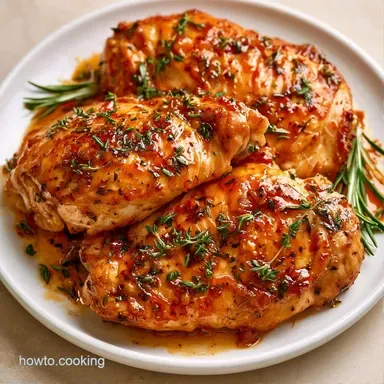
Herb Apricot Chicken with Fresh Thyme
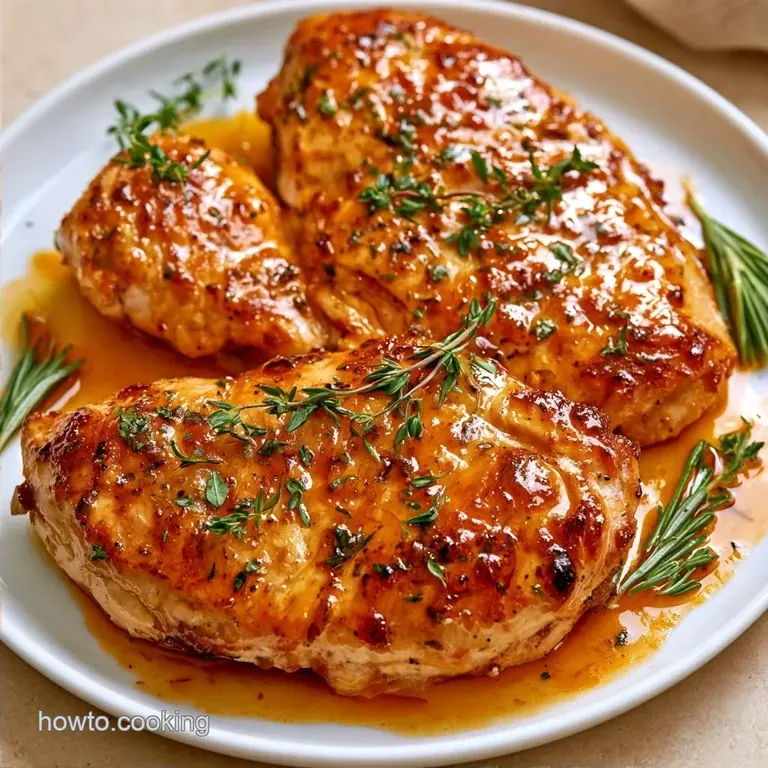
- Time: 15 minutes prep + 15 minutes cooking
- Highlight: A zesty, tacky mahogany glaze
- Ideal for: Hectic weeknights or an affordable dinner party
You don't need pricey honey or a bottle of gourmet reduction to achieve a professional grade glaze. I once believed that "fancy" chicken required hours of simmering or some rare ingredient from a specialty boutique, but that is simply a myth.
A simple jar of apricot preserves delivers the same high end result. It provides both the sweetness and the thickness in one go, which keeps your grocery bill low and your time in the kitchen minimal.
This Herb Apricot Chicken strikes a perfect balance between sweet and savory. The brightness of the lemon and the earthiness of the rosemary cut through the sugar, ensuring the final dish tastes like a savory meal rather than a dessert.
Easy Herb Apricot Chicken
When I first started cooking for a crowd, I wanted something that looked impressive but didn't keep me stuck at the stove while everyone else had a drink. I tried a few different fruit bases, but apricot always won. It has a specific tartness that pairs better with poultry than peach or plum.
The real trick is the sear. If you just bake the chicken in the sauce, it comes out pale and steamed. You need that hard, dark crust from the skillet before the glaze even touches the meat. That is where the depth comes from.
I've found that using thighs is the only way to go here. Breasts dry out too fast when you're basting them in a sugar heavy sauce. Thighs stay juicy and can handle the high heat of the pan.
Why This Glaze Works
- Preserves Base: The pectin in the jam thickens the sauce instantly, so you don't have to wait for a long reduction.
- Mustard Acid: The vinegar in the Dijon breaks down the sweetness and helps the glaze cling to the meat.
- Fresh Herbs: Thyme and rosemary provide a woody contrast that stops the dish from feeling too sugary.
What Each Ingredient Does
| Ingredient | What It Does | Best Swap |
|---|---|---|
| Apricot Preserves | Provides sweetness and thickness | Peach jam (slightly sweeter) |
| Dijon Mustard | Adds tang and emulsifies the sauce | Whole grain mustard (chunkier texture) |
| Fresh Rosemary | Gives a resinous, earthy aroma | Dried rosemary (use 1/3 amount) |
| Chicken Thighs | Provides fat and juicy texture | Boneless chicken breasts (reduce cook time) |
Ingredients and Substitutes
- 1/2 cup (170g) apricot preserves Reason: Thickens the sauce without needing extra cornstarch
- 1 tbsp (15ml) Dijon mustard Reason: Adds a sharp bite to balance the sugar
- 1 tbsp (15ml) fresh lemon juice Reason: Brightens the overall flavor profile
- 2 cloves (6g) garlic, minced
- 1 tbsp (3g) fresh thyme leaves
- 1 tbsp (3g) fresh rosemary, finely chopped Reason: Pairs perfectly with apricot
- 1/4 tsp (1.5g) salt
- 1/4 tsp (1.2g) cracked black pepper
- 1.5 lb (680g) boneless, skinless chicken thighs
- 2 tbsp (30ml) olive oil
- 1/2 tsp (3g) salt
- 1/2 tsp (1.2g) black pepper
If you're on a budget, any neutral vegetable oil can replace the olive oil. For the herbs, dried rosemary works if fresh isn't available, but since the flavor is more concentrated, just use a pinch.
Simple Cooking Steps
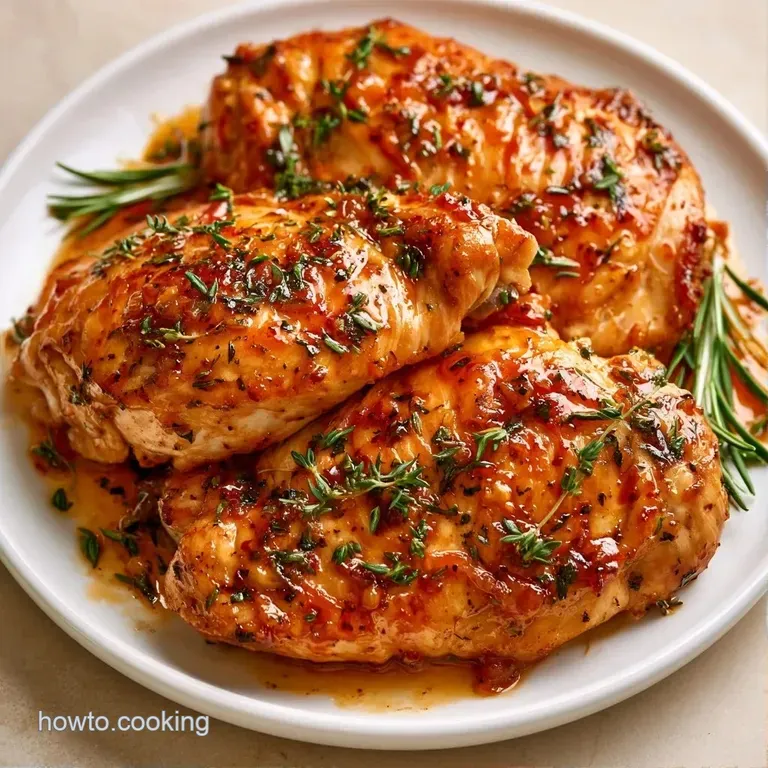
- Combine apricot preserves, Dijon mustard, lemon juice, minced garlic, thyme, rosemary, salt, and pepper in a small bowl until it becomes a smooth, cohesive paste.
- Season the chicken thighs evenly with salt and pepper.
- Warm olive oil in a 12 inch pan either cast iron or stainless steel over medium high heat until it shimmers.
- Place the chicken in a single layer and sear for 5–7 minutes per side without moving the pieces until a deep mahogany colored crust forms.
- Reduce the heat to medium.
- Pour the Herb Apricot Chicken glaze over the seared meat, spreading it evenly with a spoon.
- Simmer for 3–5 minutes, basting the chicken with the bubbling sauce until the glaze is silky and glossy.
- Confirm the chicken is done when a meat thermometer reads 165°F (74°C). Note: The minimum safe temperature recommended by the USDA is 165°F.
Chef Note: Avoid overcrowding the pan. If the thighs are too close together, they will steam instead of searing, and you'll lose that dark crust. Work in two batches if your pan is small.
Fixing Common Issues
One thing to watch out for is the temperature of your pan. Because there is so much sugar in the preserves, the sauce can go from "caramelized" to "burnt" in about thirty seconds. If you see the edges turning black instead of brown, pull the pan off the heat immediately.
Another issue is the thickness. Depending on the brand of jam you use, some are more watery than others. If your sauce looks like soup, just keep basting and simmering for an extra couple of minutes.
Fixing Burning Sugar
If the glaze burns, it tastes bitter. You can't really "fix" a burnt sauce, but you can wipe the pan clean and start a fresh glaze batch.
Stopping Dry Meat
Overcooking thighs is harder than breasts, but it happens. Use a thermometer to hit 165°F exactly and stop.
Fixing Thin Sauce
A thin glaze doesn't stick. Simmer on medium heat for 2 more minutes while stirring constantly to reduce the liquid.
| Problem | Root Cause | Solution |
|---|---|---|
| Glaze is too tart | Too much lemon juice | Add a teaspoon of brown sugar |
| Chicken is pale | Pan wasn't hot enough | Increase heat before adding meat |
| Sauce is clumpy | Jam wasn't whisked well | Strain glaze through a mesh sieve |
Adjusting the Portion
If you're preparing this for a larger group, be careful not to simply double the salt and seasonings. Intense flavors, such as rosemary, can quickly become too dominant. When scaling up to 3 lbs of chicken, increase the salt and herbs by only 1.5x.
For a smaller serving of just two thighs, reduce the glaze by half. Keeping the sauce amount in check prevents the chicken from boiling and ensures it sears correctly.
This dish pairs beautifully with creamy gratin potatoes for a richer meal. If you prefer something lighter, steamed snap peas provide a great balance to the sugar.
| Goal | Change | Result |
|---|---|---|
| For a tangier sauce | Add 1 tsp extra lemon juice | Cuts the sweetness further |
| For a thicker glaze | Simmer 2 mins longer | More sticky, concentrated coat |
| For milder flavor | Use dried herbs (1/3 amount) | Less pungent herb profile |
Busting Cooking Myths
Searing meat does not "seal in juices." This is a common myth. Moisture loss happens throughout the cooking process regardless of the sear. The crust on the Herb Apricot Chicken is for flavor, not for locking in water.
Another myth is that you must let meat "rest" for 20 minutes. While resting helps, thighs are more forgiving than steak. Five minutes is plenty of time for the juices to redistribute.
Finally, some say you need a cast iron pan for a good sear. While it helps, any heavy bottomed stainless steel pan works just as well if the oil is shimmering.
Storage and Scraps
Keep any leftover Herb Apricot Chicken in an airtight glass container, chilled for 3 to 4 days. Note that while the glaze remains sticky, it may thicken further as it cools.
To warm the dish, try to avoid using a microwave. Instead, place the chicken in a small skillet with a bit of water or chicken broth over low heat. This helps loosen the glaze and prevents the meat from becoming rubbery.
Save any remaining pan glaze by brushing it onto roasted parsnips or carrots for a simple side. Additionally, you can simmer spare chicken bones with water and a touch of apricot jam to create a sweet and sour stock.
For a quick weeknight dinner with a different flavor, try my pesto pasta sauce.
For freezing, let the dish cool entirely first. Wrap each piece of chicken securely in foil and store in a freezer safe bag for up to 3 months. Thaw in the fridge overnight and warm in the oven at 325°F (160°C).
Recipe FAQs
Can this be prepared in under 30 minutes?
Yes, the total time is 30 minutes, split evenly between prep and cooking.
Tip: chop your rosemary and thyme before heating the oil to keep the process seamless.
Does this provide a high protein meal option?
Yes, boneless chicken thighs offer a hearty amount of protein per serving.
Tip: pair the chicken with steamed greens to balance the meal's macronutrients.
What side dishes pair well with the glaze?
Roasted carrots or a crusty bread complement the sweet and savory profile.
Tip: if you enjoyed the flavor contrast here, see how we use a similar savory balance in our sourdough garlic toast.
How to avoid burning the sugar in the apricot preserves?
Lower the heat to medium before adding the glaze to the skillet.
Tip: baste the chicken continuously for 3 5 minutes to keep the sauce glossy and fluid.
Is it true that only skin-on thighs create a mahogany crust?
Actually, no. Searing boneless thighs in a hot stainless steel or cast iron pan creates the same deep color.
Tip: leave the chicken undisturbed for 5 7 minutes per side to maximize browning.
Which alternative herbs work if fresh aren't available?
Dried thyme and rosemary are suitable replacements.
Tip: use one-third of the amount requested when switching from fresh to dried herbs.
Best way to reheat leftovers without drying out the meat?
Warm the chicken in a small pan over low heat with a splash of water.
Tip: skip the microwave to ensure the meat stays tender and the glaze doesn't harden.
Herb Apricot Chicken