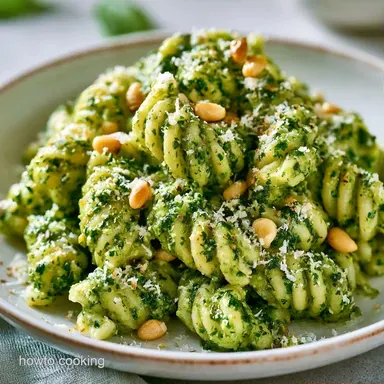
Zesty Lemon Garlic Pesto Pasta
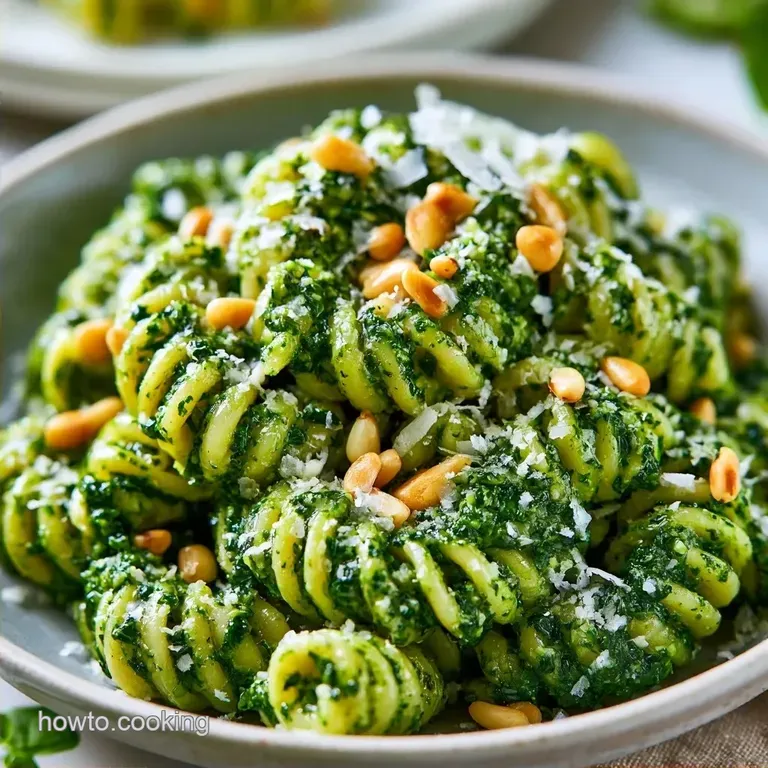
- Time: 10 min active + 10 min cook
- Flavor/Texture Hook: Zesty, herbaceous, and glossy
- Perfect for: Quick weeknight dinners or healthy meal prep
Have you ever noticed how some pestos taste like a fresh herb garden while others feel like a salty oil slick? The secret usually lies in how the oil and acidity are managed. I used to simply throw everything into a blender and hope for the best, but that often resulted in a sauce that slid right off the noodles and pooled at the bottom of the dish.
Everything improved once I began treating the pesto as an emulsion instead of a simple blended sauce. By slowly incorporating the oil and stirring in a bit of pasta water, the sauce properly adheres to the pasta. This version of Lemon Garlic Pesto Pasta focuses on the harmony between tangy citrus and savory nuts.
The result is a meal that feels light yet satisfyingly comforting. It's an efficient way to incorporate greens into your evening meal without spending forever in the kitchen. Believe me, the lemon is essential for balancing the richness of the cheese and pine nuts.
Making Zesty Lemon Garlic Pesto Pasta
Starchy Water: The starch from the pasta binds the olive oil and lemon juice together, creating a glossy coating. This is a standard technique discussed on Serious Eats to prevent sauce separation.
Acid Balance: Lemon juice breaks down the heavy fats from the pine nuts and Parmesan. This keeps the sauce tasting bright rather than greasy.
Essential Gear for Pesto
Standard equipment is all you need for this recipe. Use a basic food processor or a high speed blender to make the sauce. For a more traditional approach, a mortar and pestle works well, though it requires more physical effort.
For the pasta, you'll need a large pot and a wide skillet. A spacious skillet is key, as it provides enough room to toss the noodles and sauce together without everything spilling over the edges.
The Right Shopping List
For the pesto, the basil provides the herbaceous base, while the pine nuts add a buttery richness. According to USDA FoodData, fresh basil is packed with antioxidants that keep the dish feeling light. The lemon zest and juice provide the high notes that make the Garlic Pesto Pasta pop.
For the base, whole wheat linguine adds a nutty flavor and more fiber than white pasta. The extra olive oil and minced garlic in the skillet create a second layer of flavor, ensuring the Lemon Garlic Pesto Pasta doesn't taste flat.
Pesto Ingredients 2 cups (60g) fresh basil leaves, packed 1/3 cup (45g) pine nuts, lightly toasted Why this? Adds a rich, buttery depth to the sauce 3 cloves (9g) garlic, peeled 1/2 cup (120ml) olive oil Why this? high-quality extra virgin oil
Prevents bitterness 1/2 cup (50g) grated Parmesan cheese 1 tbsp (15ml) fresh lemon juice 1 tsp (2g) lemon zest 1/2 tsp (3g) sea salt 1/4 tsp (1g) black pepper
Pasta Base Ingredients 12 oz (340g) whole wheat linguine Why this? Better texture and nutrition than refined pasta 2 tbsp (30ml) olive oil 3 cloves (9g) garlic, minced 1/2 cup (120ml) reserved pasta water
Substitute Options
| Original Ingredient | Substitute | Why It Works |
|---|---|---|
| Pine Nuts | Walnuts or Almonds | Similar fat content. Note: Walnuts add a stronger, earthier taste |
| Parmesan | Pecorino Romano | Saltier and sharper. Note: Use slightly less salt in the recipe |
| Whole Wheat Pasta | gluten-free Pasta | Works well. Note: GF pasta releases more starch, making the sauce thicker |
| Fresh Basil | Baby Spinach | Similar color and mild flavor. Note: Lacks the distinct peppery basil punch |
Quick Recipe Details
- Prep time: 10 minutes
- Cook time: 10 minutes
- Total time: 20 minutes
- Yield: 4 servings
Chef's Tip: Toast your pine nuts in a dry pan for 3-5 minutes until they smell like popcorn. This changes the flavor from raw and bland to deep and toasted.
How to Cook This
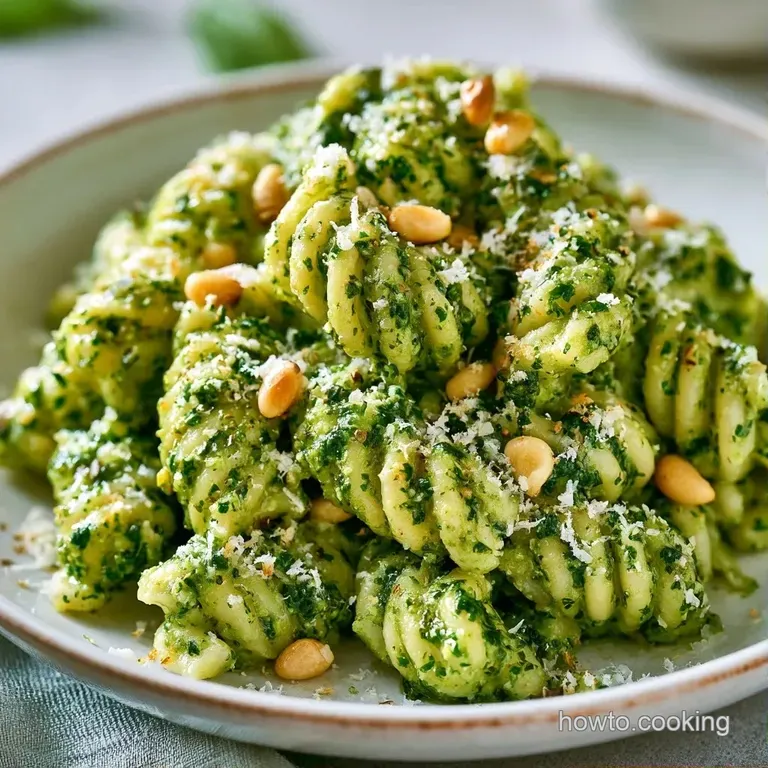
Phase 1: Blending the Zesty Pesto
- Combine the basil, toasted pine nuts, garlic, lemon juice, zest, and salt in a food processor. Pulse until the ingredients are coarsely chopped.
- With the motor running on low, gradually stream in the 1/2 cup of olive oil until the mixture is smooth and velvety. Note: Drizzling slowly prevents the oil from separating.
- Fold in the grated Parmesan cheese by hand. Note: This keeps the cheese from turning into a paste.
Phase 2: Boiling and Searing
- Get a big pot of salted water boiling. Drop in the whole wheat linguine and cook until al dente (typically 1-2 minutes shy of the package directions).
- Reserve 1 cup of the starchy pasta water prior to draining. Note: This is the "liquid gold" that fixes the sauce consistency.
- Warm 2 tbsp olive oil in a large skillet over medium low heat. Sauté the minced garlic for 2 minutes until it sizzles and turns translucent.
Phase 3: The Final Emulsion
- Mix the prepared pesto and 1/2 cup of the saved pasta water into the skillet. Whisk for 60 seconds until a glossy emulsion forms.
- Transfer the cooked pasta into the skillet. Toss using tongs for 1-2 minutes until the noodles are thoroughly coated.
Handling Common Pesto Issues
If your pesto seems muted or won't cling to the noodles, the issue is usually the emulsion or temperature. Too much heat destroys the basil's vivid green, turning it a brownish olive shade. Additionally, if you omit the pasta water, the oil will simply slide off the linguine.
A bitter garlic taste suggests it browned too much in the skillet. It should remain soft and fragrant, not dark brown. For a classic take, visit my traditional pesto pasta for a richer, less citrusy version.
Pesto Turning Brown
This is a result of oxidation. To stop this, blanch the basil in boiling water for 5 seconds, then immediately plunge it into ice water before blending.
Sauce Too Thick
If the sauce feels heavy or clumpy, it needs more moisture. Gradually stir in a bit more of the starchy pasta water until smooth.
Bitter Garlic Taste
The garlic was likely scorched. Always maintain medium low heat during the skillet phase to keep the flavor sweet and mellow.
| Problem | Fix |
|---|---|
| Brown Pesto | Blanch basil or add extra lemon juice |
| Clumpy Sauce | Stir in more reserved pasta water |
| Bitter Garlic | Lower the heat and sauté for less time |
Storage and Waste Tips
Store any remaining Lemon Garlic Pesto Pasta in a glass jar in the fridge for roughly 3 days. To refresh the sauce when warming it up, stir in a teaspoon of water or a touch of olive oil. Try to avoid using the microwave, since excessive heat can diminish the bright lemon notes.
For the pesto, keep it in a jar with a light layer of olive oil poured over the surface. This air-tight seal helps the basil maintain its vibrant green color.
Put your lemon remnants to use. Freeze the rinds for future zesting or simmer them with a cinnamon stick to scent your home. Additionally, toss any spare basil stems into your vegetable stock for added depth.
Ways to Swap Ingredients
To make this a more substantial dinner, simply incorporate some protein. Seared chicken breast or grilled shrimp complement the citrus flavors beautifully. For a variation, experiment with a homemade style utilizing an alternative nut base.
To keep it dairy-free, replace the Parmesan with 2 tablespoons of nutritional yeast. This offers a comparable salty, cheesy profile without the lactose. For a lower carb alternative, use spaghetti squash or zoodles; since you won't have starchy pasta water, stir in a little extra olive oil.
Decision Shortcut Extra tang? → stir in 1 tsp more lemon zest More heat? → sauté the garlic with some red pepper flakes Nut free? → substitute with toasted sunflower seeds
Best Serving Ideas
This dish is bright and punchy, so it pairs well with something mild. A simple side of roasted asparagus or a crisp arugula salad with a light vinaigrette balances the richness of the pine nuts.
If you're serving this for a crowd, garnish each bowl with a few whole basil leaves and a sprinkle of fresh Parmesan. It makes the Lemon Garlic Pesto Pasta look like it came from a bistro rather than a 20 minute weeknight scramble.
For a drink, a chilled Pinot Grigio or a sparkling lemon water complements the citrus and garlic perfectly. This Lemon Garlic Pesto Pasta is satisfying enough to be the star of the show, but it leaves you feeling energized rather than weighed down.
Recipe FAQs
What does adding lemon to pesto do?
It cuts through the richness of the olive oil and Parmesan to brighten the overall flavor.
Tip: If you loved the flavor balancing here, see how we use similar fresh notes in our homemade basil pesto.
Which method prevents homemade pesto from turning brown?
Pour a thin layer of olive oil over the top of the stored pesto to block air contact.
Tip: Use a glass jar for storage to avoid plastic odors affecting the taste.
How to assemble the pesto pasta?
Pulse basil, nuts, garlic, and lemon, then emulsify with olive oil before tossing with al dente linguine and pasta water.
Tip: Reserve the starchy water before draining to ensure the sauce clings to the noodles.
Is it true that lemon ruins the traditional taste of pesto?
Surprisingly, no. The acidity actually enhances the fresh basil and balances the heavy fats.
Tip: Start with a small amount of juice and taste as you go to avoid overpowering the garlic.
Lemon Garlic Pesto Pasta